




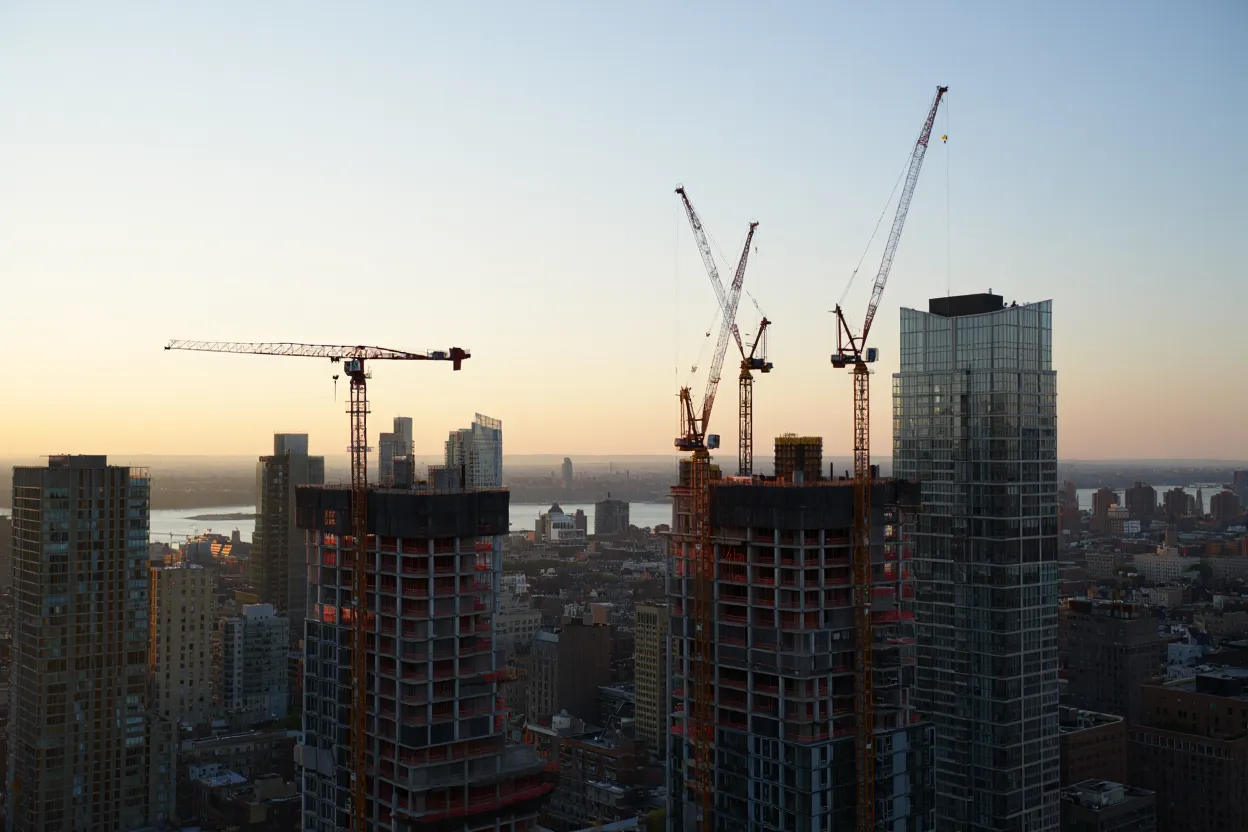
- New York City delivered more housing units in 2025 than any year since 1965, per the NYC Department of City Planning.
- Policy shifts—like targeted rezonings and incentives—have enabled a multifamily building boom, with 43,000 units underway as of Q1 2026.
- The real test: Whether NYC can sustain this pace and meet long-term demand as incentives shift and affordability remains in focus.
Rezoning Drives a New Wave of Multifamily Development
The narrative that New York City is inhospitable to new apartment supply is getting a rewrite. According to Commercial Observer, a rare alignment of persistent housing demand and citywide rezoning initiatives has fueled the city’s fastest apartment construction surge in decades. The Department of City Planning recorded 38,682 new housing units completed in 2025—up from 33,859 in 2024 and the most in a single year since 1965. Notably, these gains come in a market where the vacancy rate remains under 2%, per an April 2026 Corcoran report.
This boom flies in the face of the national trend, as construction starts across the US hit their lowest mark since 2011 in early 2026. By contrast, New York not only held its ground but extended its lead, underscoring the crucial role of local policy and sustained developer appetite in driving new supply despite high building costs and persistent regulatory headaches.
Get Smarter about what matters in CRE
Stay ahead of trends in commercial real estate with CRE Daily – the free newsletter delivering everything you need to start your day in just 5-minutes
The Details
New York City had 43,000 multifamily units under construction as of the first quarter of 2026, according to a CoStar May 2026 report—the highest in the country. The city’s output topped 38,000 completed units in 2025, per public planning records. Boroughs like Brooklyn and Queens accounted for over 18,000 of those deliveries, buoyed by successful rezoning efforts in neighborhoods including Gowanus, Jamaica, Prospect Heights, and Long Island City.
For instance, the Jasper in Long Island City brought 499 new units to the market, with nearly one-third designated affordable. Similarly, 544 Carroll Street in Gowanus opened 133 units, including 25% set aside as affordable, after Avery Hall moved swiftly on the heels of the 2021 rezoning. That rezoning alone is expected to pave the way for 10,000 units in Gowanus, with broader citywide measures targeting as many as 50,000 units in the coming years.
Brooklyn and Queens Show Outsized Growth
JLL data confirms that Brooklyn and Queens now anchor New York City’s pipeline. The two boroughs combined accounted for just under half the city’s 2025 multifamily deliveries thanks to targeted rezoning and developer incentives. The zoning changes aren’t generic: They enable density in neighborhoods attractive to both institutional investors and renters, with mandatory affordable allocations built in. That momentum could accelerate further, as city leaders recently advanced a major Midtown rezoning effort that could add thousands of new homes in Manhattan over the coming years.
Michael Mazzara, managing director at JLL, told Commercial Observer that these policy shifts have sharply accelerated site sales and ground-up multifamily development citywide. By comparison, most major US metros saw multifamily starts contract—expensive financing, high construction costs, and regulatory limbo have chilled activity in markets like Los Angeles and Chicago, putting New York’s policy-fueled momentum in even sharper relief.
Why It Matters
The pace of apartment construction in America’s largest city carries major implications for the US multifamily sector. New York’s 43,000-unit pipeline stands out against the national slowdown. However, supply still trails demand. Ariel Property Advisors estimates the city must deliver 50,000 to 60,000 homes annually. Without further policy changes, the housing shortage could reach 500,000 units by 2034. The 421-a tax break expired in 2022, and lawmakers replaced it with 485-x. Although the new program supports development, wage mandates have raised costs. As a result, developers face greater challenges when building large union projects at scale.
Critics argue that policymakers must revise or replace 485-x to unlock another wave of supply. At the same time, streamlined land-use reviews, neighborhood upzonings, and flexible incentives remain essential. Industry leaders, including Michael Mazzara and Jesse Wark, continue to stress their importance. The broader lesson is clear: Strategic incentives drive housing production. Yet city leaders must continually adjust policies. Land, labor, and capital remain expensive, while political priorities continue to shift.
What’s Next
Looking forward, the next several years depend on policy effectiveness and the city’s appetite for further rezoning. Developers and advocates argue that only sustained incentives and a proactive, site-by-site rezoning approach will preserve the current pace. Shimon Shkury of Ariel Property Advisors warns that, without new policies and streamlining, the city will fall short—risking a resurgence in unaffordability and persistent shortages as population growth continues. As new supply in Brooklyn, Queens, and up-and-coming areas comes online, all eyes will be on Albany’s legislative agenda and the City Council’s further zoning reform efforts. New York’s housing boom is real, but its durability is very much in play.