



- Texas multifamily deliveries are hitting multi-year lows, while investment activity recovers as buyers move ahead of underlying rent growth.
- Houston and DFW see double-digit jumps in sales volume, with mid-market assets (50–300 units, 1980–2018 vintage) trading actively as developers pull back.
- Owners must weigh readiness over timing, with capital markets active but rent softness and looming debt maturities keeping risk in play.
Past Peak Supply, Capital Outpaces Fundamentals
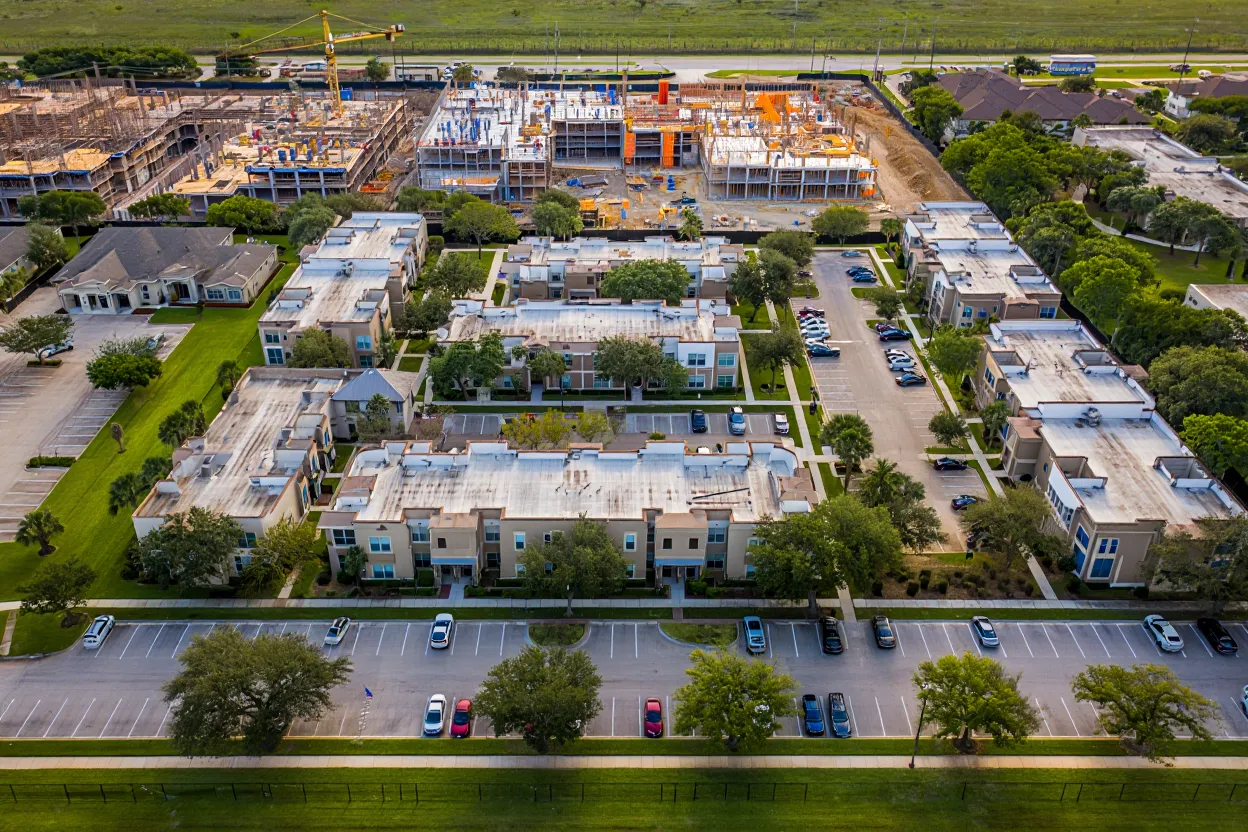
According to Hudson Multifamily Group’s Mid-Year 2026 Texas Multifamily Briefing, Texas apartments are moving beyond peak supply pressure. The market now enters the early stages of rent recovery. Construction has slowed sharply across the state. Houston expects just 3,000 completions, its lowest level since 2013. San Antonio has reached its slowest pace since 2011.
DFW construction has declined for 11 straight quarters, according to Matthews and Colliers. Austin still faces the deepest correction. However, Q1 demand nearly doubled deliveries. Texas A&M’s Real Estate Research Center expects 35,000 units statewide in 2026. That compares with 93,000 units last year, adding only 1.4% to inventory.
Capital markets have strengthened despite slower fundamentals. DFW trailing-year sales volume climbed 42%, while Houston gained 32%. Agency lending from Fannie Mae and Freddie Mac nearly doubled year over year in Q1. Hudson says owners should focus on asset preparation instead of market timing. However, a rate shock could still slow capital momentum before rents recover.
Get Smarter About What Matters in Texas
Subscribe to our free newsletter covering the biggest commercial real estate stories across Texas — delivered in just 5 minutes.
The Details
Texas remains a non-disclosure state, limiting official sale price data. Analysts instead track turnover and transaction counts through county records. DFW mid-market turnover fell to 6.3% in 2024 after reaching 12% in 2022. It then recovered to 7.9% in 2025, suggesting the market passed its low point.
Houston turnover rose from 3.7% in 2023 to 8.3% in 2025, representing about 11,100 traded units. Austin maintained turnover between 4.7% and 8.8% throughout the correction. Liquidity stayed steady despite falling prices. About half of Houston’s recent sales involved mid-market properties built between 1980 and 2008. That trend highlights where buyers remain most active.
Investment activity also differs by market. DFW recorded $10.4B in trailing-year sales and saw cap rates compress into H2. Houston reached $3.4B in 2025 investment volume. Austin posted its strongest first quarter since 2022. Meanwhile, San Antonio saw cap rates widen 50 basis points alongside rising distress.
Texas Market Divides Sharpen
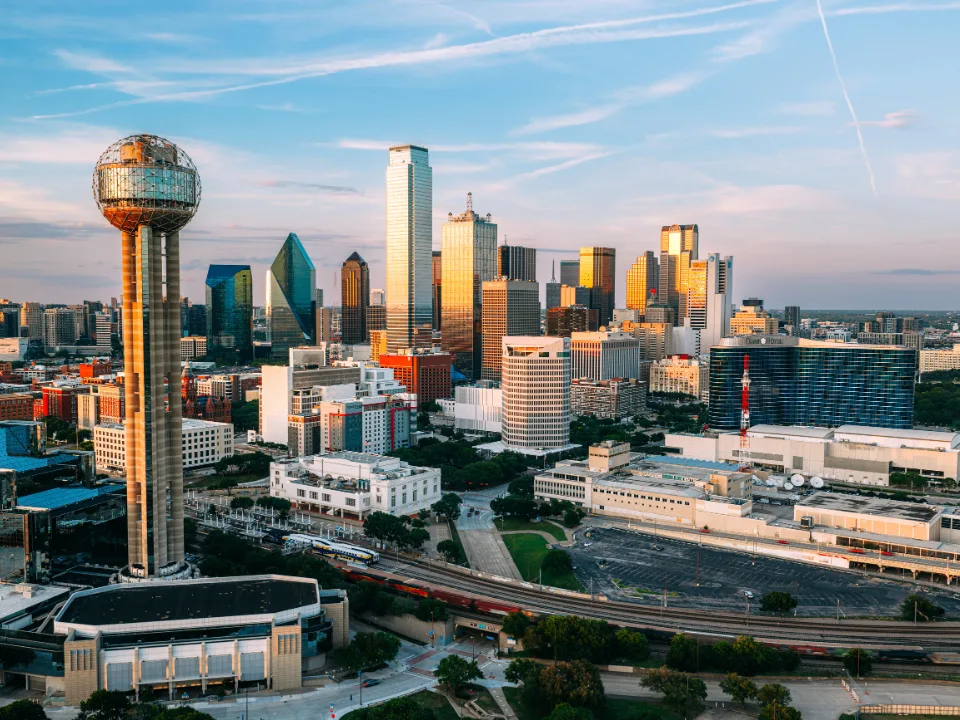
DFW occupancy improved to 93.2%, although rents remained 2% below last year. Vacancy should peak this year. The metro also continues attracting major real estate firms expanding into Texas, reflecting confidence beyond the apartment sector. Most supply relief will likely arrive in 2027.
Houston shows the strongest fundamentals since before the pandemic. Stabilized occupancy reached about 92.2%, while rents edged higher. Demand stayed positive despite lease-up concessions attracting some tenants. Austin absorbed more units than it delivered over the trailing year. However, Class B and C vacancy remained near 11.5%. Institutional investors have started returning as the correction eases.
San Antonio presents the weakest outlook. Distress continues rising alongside pricing pressure. Only 800 units remain in the 2026 pipeline, marking the slowest pace since 2011. That slowdown reflects both higher risk and faster market rebalancing.
Statewide employment continues supporting demand. The Federal Reserve Bank of Dallas expects 1.9% job growth in 2026. Agency lenders have also become more competitive earlier in the cycle. Meanwhile, national multifamily CMBS delinquency reached 7.7% in April. That increase adds pressure on weaker borrowers with maturing loans.
Why It Matters
Texas multifamily has reached a key turning point. New development has slowed sharply, while rent stabilization has begun. Hudson says lower supply already supports improving fundamentals. Austin absorbed nearly twice as many units as it delivered during Q1 2026.
That trend could strengthen rent growth as the construction pipeline shrinks. Mid-market and vintage assets appear best positioned. Sellers benefit from stronger capital availability and lower cap rates. Buyers aim to secure assets before rents recover more broadly.
Capital remains selective. Activity continues concentrating in mid-market properties built between 1980 and 2018. Well-prepared assets should recover faster than weaker properties. DFW and Houston lead transaction growth, while Austin and San Antonio remain earlier in recovery.
Debt maturities also create pressure. DFW alone faces $3B in maturing loans by 2027. Nationally, Trepp expects more than $160B in multifamily debt to mature during 2026. That total represents a 50% year-over-year increase. Owners with strong financials, attractive locations, and flexible debt structures should hold the advantage.
What’s Next
Texas enters the second half of 2026 with decade-low supply and improving investment activity. Rent performance still varies by market. Hudson recommends evaluating whether to sell, hold, or refinance based on local conditions instead of statewide trends. Agency lenders remain active, while cap rates have stabilized or continue compressing.
The next quarterly report will measure the summer leasing season and its impact on rents, distress, and capital flows. For now, preparation matters more than timing. Owners who assess assets carefully and act strategically should benefit most as rent growth returns.