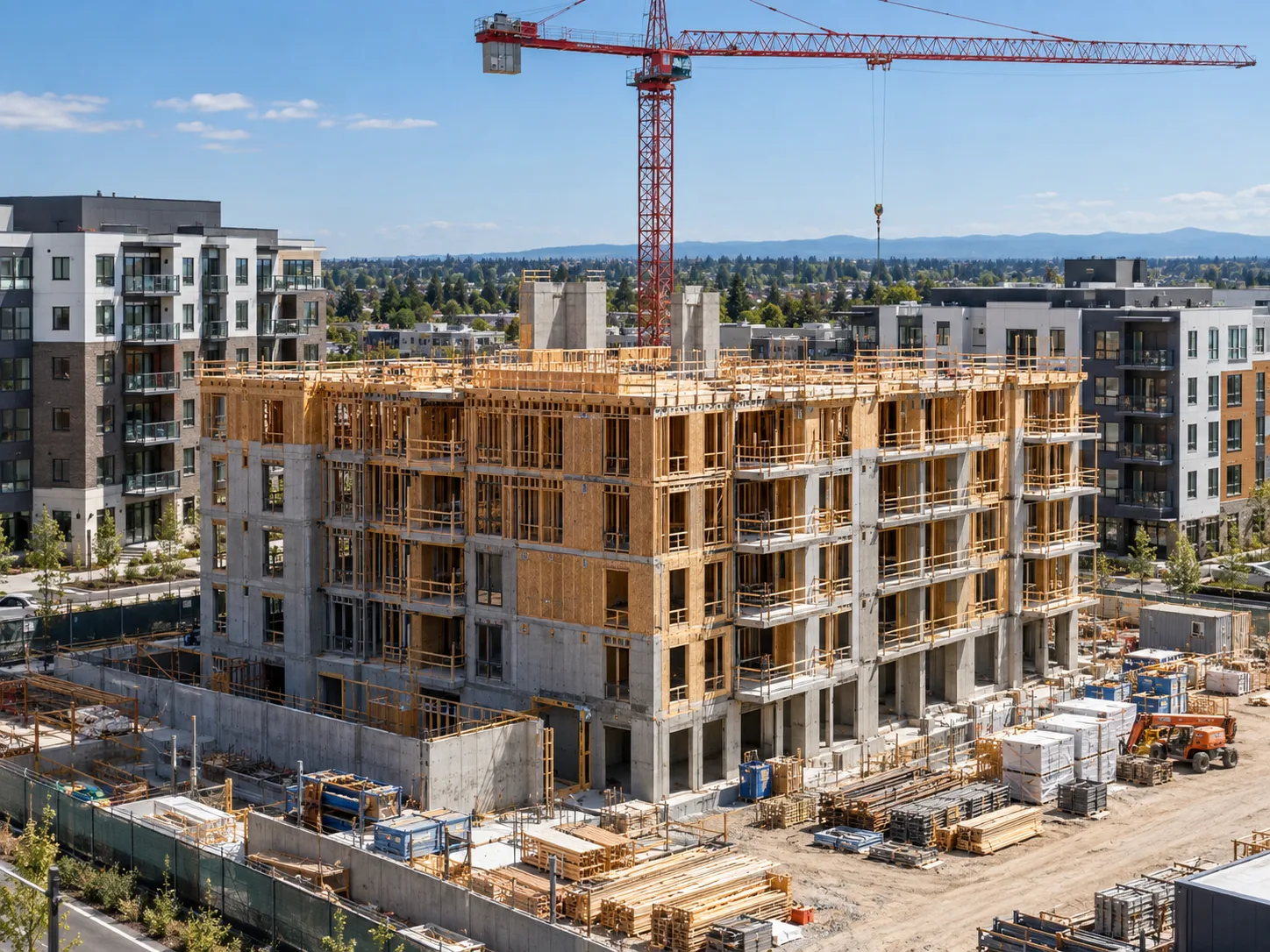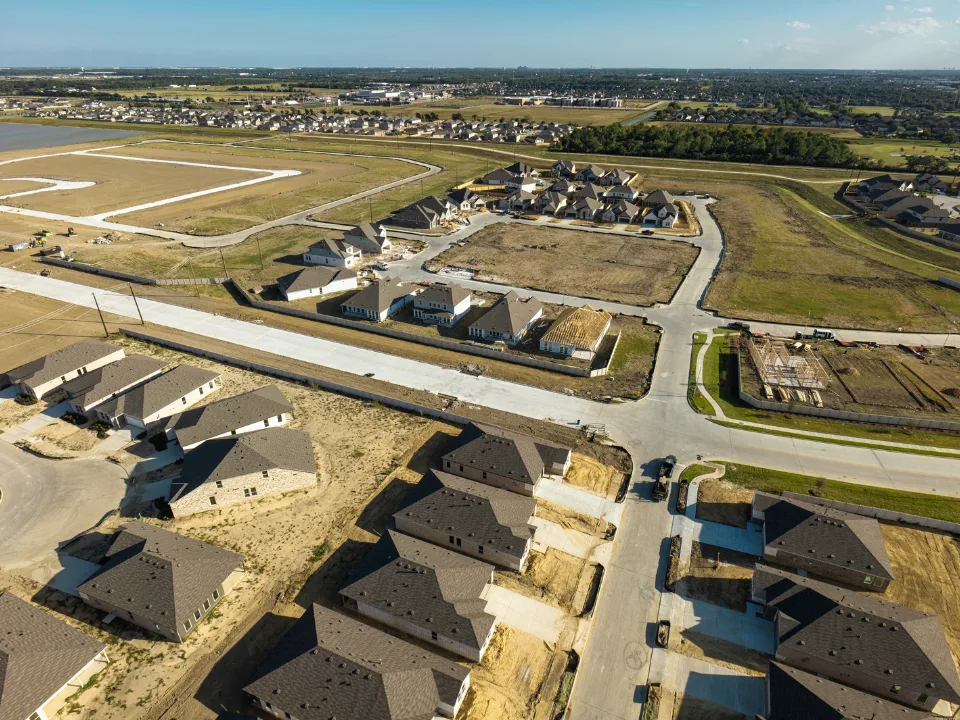









- The NAHB’s June 2026 guide highlights why financing for missing middle housing remains out of step with zoning reform and strong market demand.
- Financing gaps stem from a mismatch between project size and traditional lending structures, higher equity requirements, and regulatory constraints.
- Practical steps—like portfolio-based lending, revised appraisal practices, and layering public funds—could unlock significant new supply in established neighborhoods.
Decades of Zoning Have Stifled Diverse Housing Supply
The National Association of Home Builders’ (NAHB) June 2026 guide casts a spotlight on the persistent financing challenges facing missing middle housing—those duplexes, fourplexes, cottage courts, and small multifamily projects that fit between single-family homes and large apartments. According to NAHB, while zoning reforms are beginning to allow these projects in more cities, construction capital remains slow to follow.
Missing middle housing fills a critical gap in the US market, offering more affordable and diverse options in established areas. NAHB notes that for decades, development was dominated by single-family and large multifamily assets, leaving little room for in-between models. As construction and land costs climb, demand has grown for housing that can use land efficiently, but traditional financing mechanisms have not kept pace.
Get Smarter about what matters in CRE
Stay ahead of trends in commercial real estate with CRE Daily – the free newsletter delivering everything you need to start your day in just 5-minutes
The Details
Builders and developers face unique funding barriers for missing middle projects. These projects typically include 2 to 20 units. Total development costs range from $1.5M to $6M, per NAHB. However, most bank lending programs target large multifamily deals. Loan minimums often exceed $15M. Underwriting also favors repeatable, institutional asset classes.
As a result, lenders view smaller, nonstandard projects as riskier. They require more upfront equity. They also exclude builder deposits and special district funds from equity calculations. Fixed transaction costs, rigid equity timing, and limited appraisal data create more challenges. Consequently, many projects depend on layered financing, pilot programs, or CDFI support.
Structural Lending Barriers Drive the Gap
NAHB argues the financing gap reflects lending structures, not weak demand. Missing middle units often lease or sell quickly in stable neighborhoods. Instead, these projects fall into a financing gray area. They are too large for single-family loans but too small for commercial multifamily products.
Fixed transaction costs consume a large share of project budgets. Separate loans for land, construction, and permanent financing add complexity. Lenders also require equity before entitlements or public grants are finalized. Portfolio lending shows promise by evaluating multiple projects together. However, few banks offer it. Capital layering, including CDFIs and public funds like Oregon’s LIFT program, has become increasingly important.
Why It Matters
Financing gaps now represent a major housing bottleneck, especially for infill and workforce projects. NAHB says demand continues to exceed supply. Migration toward established neighborhoods and rising interest in moderate-density housing support that trend. Many builders remain optimistic about single-family demand, making better financing tools essential to expand missing middle options alongside traditional housing. The issue is not project feasibility. Instead, outdated lending structures favor single-family homes and large rental developments.
Without lending and policy reforms, many projects will remain stuck at the financing stage. This will happen even as cities ease zoning rules and local opposition declines. A 2025 Urban Land Institute survey found over 60% of developers viewed financing as the biggest obstacle. Only 22% cited land use barriers. That shift highlights the need for banking and public-sector innovation.
Lenders must adopt underwriting that better matches these projects. Public agencies must also streamline capital access and construction approvals. Together, these changes could deliver thousands of attainable homes. They could also increase housing supply and help ease pressure in overheated markets.
What’s Next
As zoning reforms expand development opportunities, NAHB urges lenders to update financing practices. Builders should prepare project packages that highlight repeatability, neighborhood strength, and phased development. They should also work with lenders and CDFIs willing to adjust traditional standards.
Public financing tools, including patient capital, gap funding, and flexible entitlement rules, will remain essential. If the industry closes the financing gap, more townhouse and small multifamily projects should reach the market. They can help bridge the space between single-family homes and high-rise apartments.