



- NMHC respondents cited low rent growth, higher rates, and rising labor and material costs as continuing barriers to new multifamily construction.
- Twenty-nine percent reported fewer project starts than three months earlier, while 24% said their firms had started more projects.
- Financing expectations improved over the longer term, with 39% expecting more equity and 31% expecting more debt availability within 12 months.
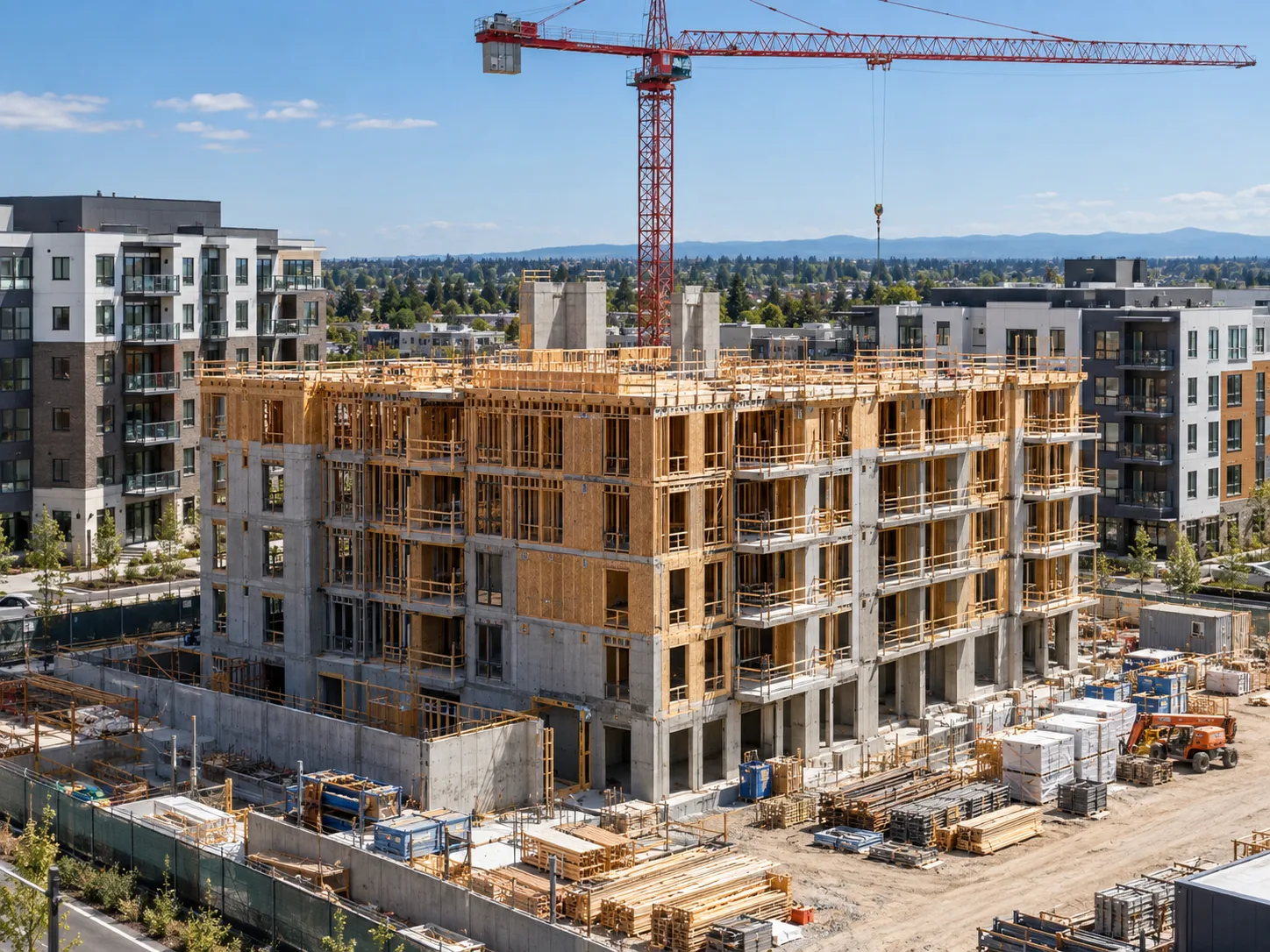
Multifamily Executive reports in its coverage of NMHC’s September developer survey that multifamily construction remains hard to pencil. Builders are still more optimistic about the next six to 12 months. NMHC Chief Economist Chris Bruen pointed to low rent growth, higher interest rates, and rising labor and material costs. Nearly a quarter of respondents nevertheless said they had started more projects than two months earlier.
Get Smarter about what matters in CRE
Stay ahead of trends in commercial real estate with CRE Daily – the free newsletter delivering everything you need to start your day in just 5-minutes
Multifamily Construction Details
Twenty-nine percent of respondents said they started fewer projects than three months earlier, up from 20% in June. Another 24% said their firms started more projects. Among respondents reporting fewer starts, 65% cited economic uncertainty or projects that were no longer financially feasible. Low rent growth was another major obstacle. It was cited by 59% of those reporting a decline in starts. The results show that project activity is still moving in both directions rather than entering a broad recovery.
Costs Remain a Major Constraint
One-third of respondents said construction material costs had risen faster than inflation over the prior three months. Twenty-two percent said labor costs had also outpaced inflation. About half said both materials and labor had generally tracked inflation. Only 12% reported a real decline in material costs. Nineteen percent believed labor costs had fallen. Multifamily construction has been stabilizing unevenly nationwide. The survey shows that feasibility remains highly sensitive to rent growth, labor, materials, and financing.
Why It Matters
The survey captures a market that is becoming less uniformly defensive without broadly expanding. Developers still face weak rent growth and elevated costs. Those conditions limit the number of projects that meet return requirements. At the same time, the share reporting more starts shows some firms are finding workable opportunities. Bruen said respondents remain largely optimistic about construction conditions over the next six to 12 months. That outlook matters because financing availability could determine whether optimism turns into actual starts.
What’s Next
Financing expectations were stronger for the longer term. Over the next three months, 25% of respondents expect equity financing to become less available. Over the next six to 12 months, 39% expect equity availability to improve. Only 16% expect it to decline over that longer period. Debt expectations are more positive even in the near term. Sixteen percent expect greater debt availability over three months, compared with 9% expecting less. Over six to 12 months, 31% expect debt financing to become more available.