




- Miami-Dade County declined to buy a key PortMiami fuel depot after developers bought it for $180M in 2024 and sought a $400M resale.
- The site, now targeted for luxury condo redevelopment, is at the center of legal challenges involving local associations and eminent domain threats.
- This dispute highlights rising land values and political pressures on waterfront parcels in South Florida’s luxury housing and logistics sectors.
Luxury Ambitions Collide With Port Operations
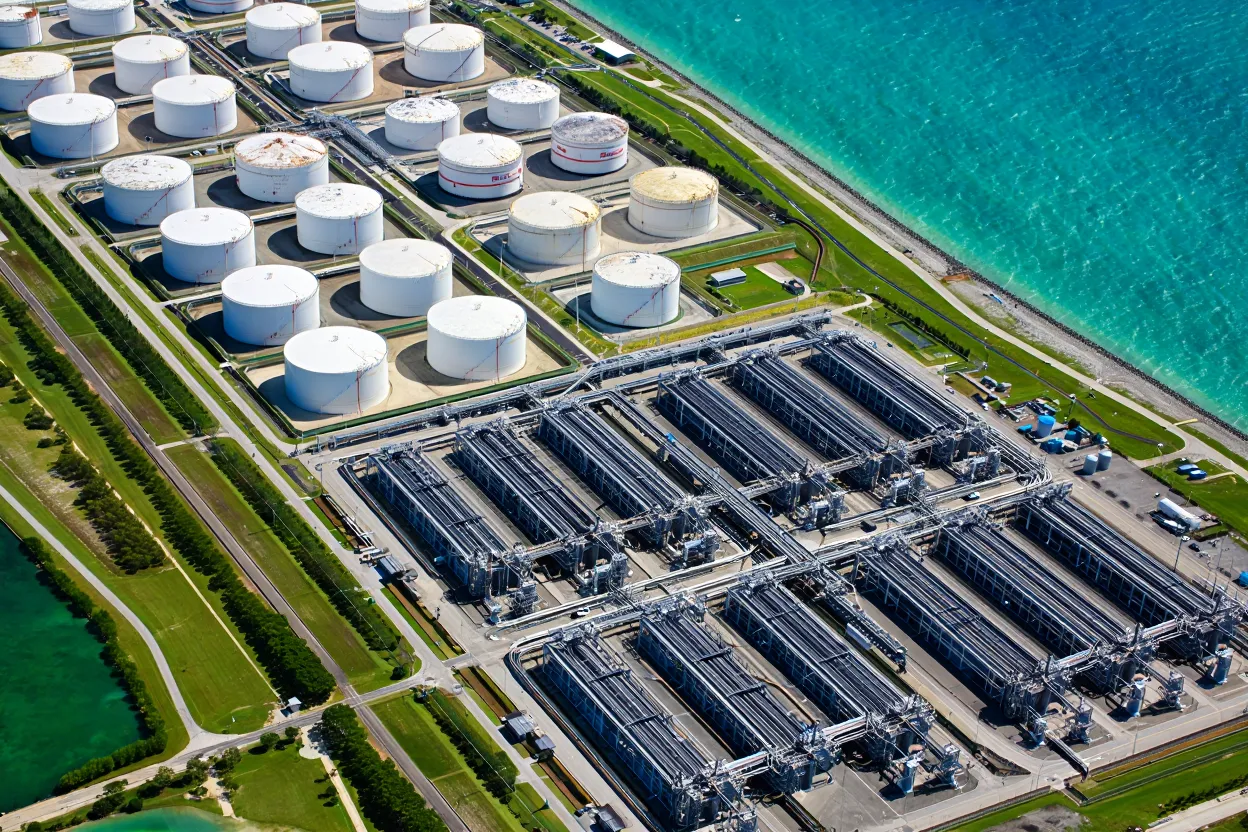
Bisnow reports that Miami-Dade County Mayor Daniella Cava’s decision to walk from a $400M purchase of the PortMiami fuel depot puts a spotlight on the tension between industrial utility and high-end residential demand along the region’s most coveted waterfront sites. According to the Miami Herald, the property—less than 10 acres at One Fisher Island Drive—plays a crucial role in powering cargo and cruise operations for PortMiami. It sits on Fisher Island, an ultra-exclusive enclave frequently topping US wealth rankings and drawing intense developer interest.
This very collision of uses is not new to South Florida, where luxury redevelopment pressures regularly bump up against municipal needs. The county’s rare move to threaten eminent domain—seeking a lower, court-set price—signals outsized skepticism about speculative premiums that have jumped since the initial $180M purchase in 2024. It also sets up a potentially contentious legal backdrop between public interests and private visions for the island’s future.
Get Smarter about what matters in CRE
Stay ahead of trends in commercial real estate with CRE Daily – the free newsletter delivering everything you need to start your day in just 5-minutes
The Details
The property in question is a nearly 10-acre fuel storage and distribution yard located at the entrance to Fisher Island. The development joint venture—Related Group, HRP Group, and Raycliff Capital—acquired the site for $180M in 2024 after Miami-Dade County failed to meet the offer price, per the Miami Herald. The developer consortium immediately began early preapplication steps to rezone the site for luxury residential use, specifically two 12-story condo towers totaling 49 units across 5.5 of the acres. The team had a short-term lease with TransMontaigne Partners, the facility’s operating tenant, expiring August 2027.
The remaining approximately 4 acres were slated for lifestyle and amenity uses supporting the Fisher Island Community Association. However, a newly filed lawsuit from the association and Fisher Island Club claims contract restrictions bar any sale or external use of these 4 acres without their approval, complicating any development timeline.
Legal Battles Over South Florida’s Rarest Land
The PortMiami fuel site’s location on Fisher Island places it in one of the nation’s most exclusive markets. The island consistently ranks among the wealthiest ZIP codes in the US, according to Bloomberg. That pricing power reflects a broader shift, as Florida recently surpassed California in total real estate value, driven by surging demand for luxury coastal assets. The latest dispute erupted after developers sought $400M from Miami-Dade County for the property.
This standoff exemplifies the complexities of redeveloping South Florida’s remaining industrial parcels. Legal wrangling is further fueled by claims that the active fuel terminal presents safety risks for Fisher Island residents, sharpening the “public use vs. highest and best use” debate along Miami’s waterfront.
Why It Matters
The rejected $400M deal underscores the sharp run-up in Miami’s prime land prices—and the willingness of both private developers and public entities to go to court over trophy parcels. With luxury condos regularly trading in the $3,000–$4,000 PSF range on Fisher Island (per Douglas Elliman Q1 2026), the property’s underlying value has soared, but the county appears unwilling to use future port revenues to pay a speculative premium.
For port operations, the outcome affects risk and resilience: the storage yard is essential to keeping Miami’s cruise and shipping hub operational. Losing the current site could trigger both logistical headaches and broader debates over where (and how) to relocate critical infrastructure amid ongoing growth and residential encroachment. The episode also signals to CRE investors the high-stakes complexity of assembling waterfront land in Miami’s most exclusive enclaves—a process increasingly fraught with legal, political, and community hurdles.
As developer groups chase ever-pricier repositionings, municipal authorities are poised to test new tools—such as eminent domain—to keep critical industrial uses in play. According to the Miami Herald, the next round could redefine not just this parcel’s fate but expectations for public-versus-private valuation of Miami’s last developable islands.
What’s Next
Miami-Dade County’s legal team is preparing an eminent domain action to acquire the property at what it hopes will be a “market” price below the developer’s $400M ask. Simultaneously, lawsuits from the Fisher Island Community Association muddy any straightforward path to condo redevelopment. With TransMontaigne Partners scheduled to operate the facility through August 2027, all parties now face a legal and logistical race that will likely set precedent for handling contested waterfront land sales. For the broader market, the outcome could tip future negotiations between municipal governments and developers hoping to convert last-mile industrial nodes to luxury residential product in Miami and beyond.