



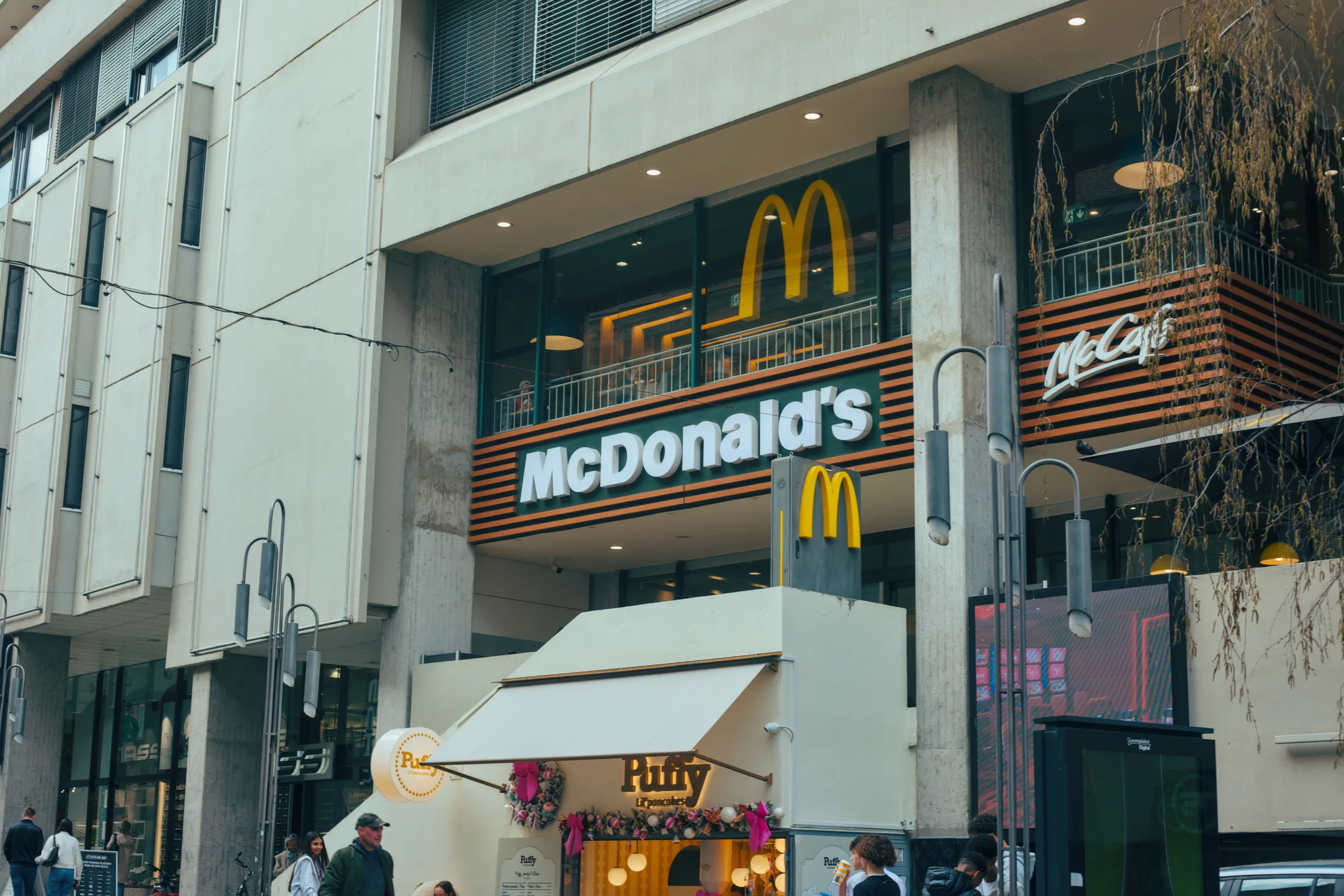
- McDonald’s is upgrading US restaurants with revamped layouts and new back-end systems to enhance efficiency and automate key operations.
- The company is testing automated order-taking technology and introducing new menu options while maintaining an emphasis on value offerings amid inflation.
- The pivot reflects rising competition from fast-growing rivals and shifting customer preferences—McDonald’s aims to balance automation with hospitality to remain top-of-mind with consumers.
McDonald’s Prioritizes Efficiency in Restaurant Overhaul
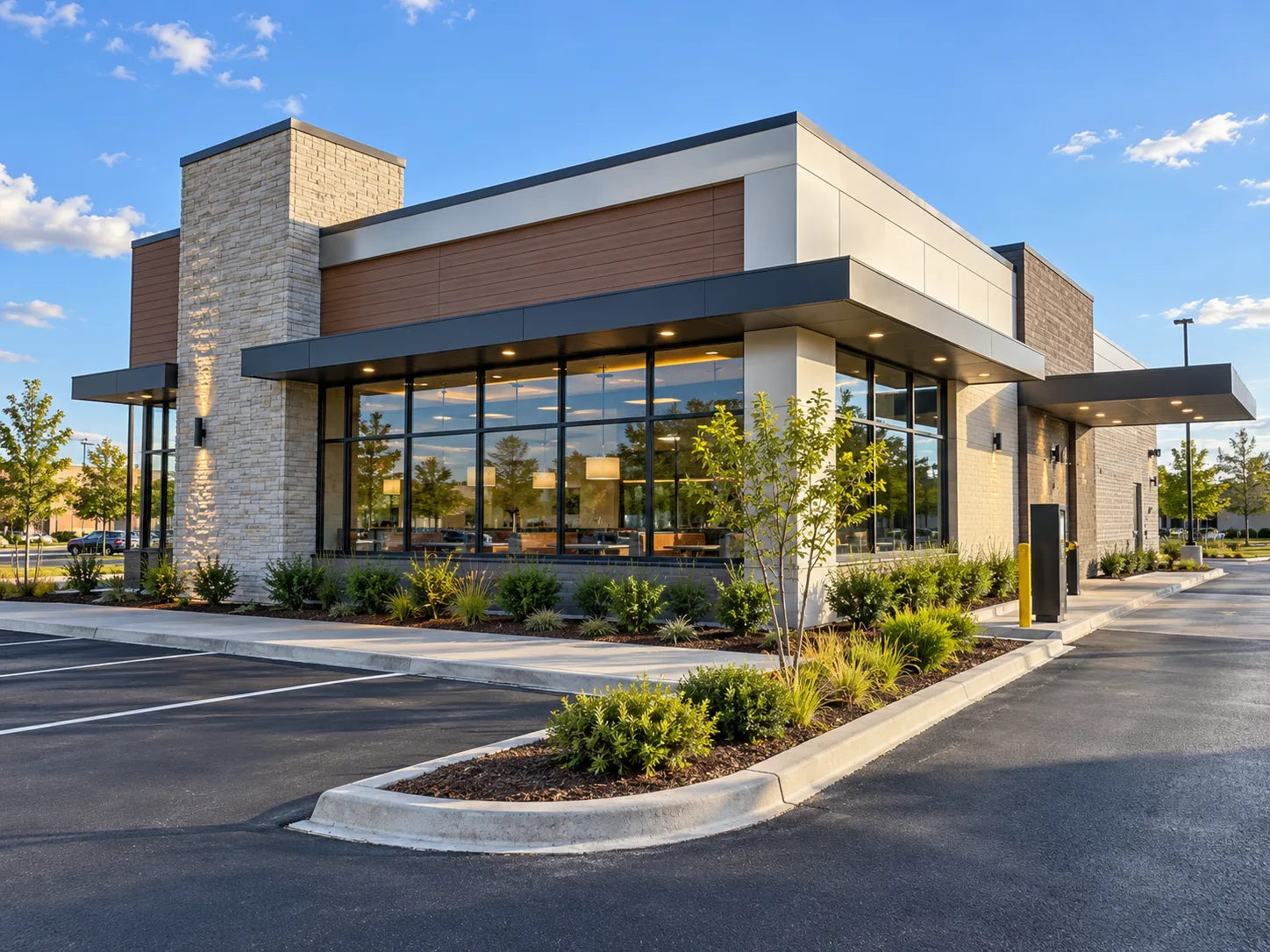
Facing growing pressure from both traditional chains and new entrants, McDonald’s is redesigning its US stores with a focus on operational efficiency, per GlobeSt. The company is rolling out restaurant layouts featuring more intuitive and connected back-of-house systems, according to CNBC. While the front-of-house experience will remain recognizable, the upgrades aim to streamline kitchens and service, creating smoother workflows for staff and ultimately, quicker service for customers. These changes are part of a broader strategy to modernize operations as consumer expectations around speed, convenience, and affordability keep rising.
Get Smarter about what matters in CRE
Stay ahead of trends in commercial real estate with CRE Daily – the free newsletter delivering everything you need to start your day in just 5-minutes
Competition Spurs a Shift in Strategy
The quick-service segment is more crowded than ever, with emerging concepts and established players battling for share. McDonald’s is not only enhancing its physical stores but also piloting automated order-taking technology called ARCHY in five US locations. By using automation, employees can be redeployed to higher-value tasks. The brand is also leaning into its McValue platform with meal deals and entry-level pricing, per CEO Chris Kempczinski, as value remains a top concern for consumers grappling with inflation. Additionally, McDonald’s plans to roll out new chicken, beef, and beverage innovations to keep the menu competitive.
Balancing Automation With Guest Experience
As more aspects of service are automated, McDonald’s acknowledges that direct interactions between guests and crew may diminish. The company is tackling the challenge of maintaining a strong sense of hospitality alongside its investments in technology. McDonald’s has stated that it does not want to force consumers to choose between convenience and human connection, recognizing that the quality of each guest interaction now weighs more heavily in an era of limited personal touchpoints. The company’s ‘McDonald’s>NEXT’ strategic roadmap, to be detailed later in 2026, will lay out the full vision for balancing efficiency with customer experience.
Why It Matters
Data from McDonald’s investor presentations highlights that value is a persistent motivator for US diners, especially in a climate of ongoing inflation and increased deal hunting. At the same time, menu and technology innovation remain critical as competition intensifies across the QSR sector. A new wave of operators is putting pressure on established brands. McDonald’s is combining automation, new menu offerings, and customer service initiatives to stay competitive. That strategy could influence how other restaurant chains approach operations. Labor challenges and shifting consumer preferences continue to reshape the retail landscape.
What’s Next
The company is expected to unveil more specifics on the McDonald’s>NEXT plan in September. CRE professionals should watch for expanded automation pilots as operators look to improve efficiency. More value-focused pricing experiments may also emerge as competition intensifies. Companies could further adjust store formats to better align with changing consumer preferences. Technology investment strategies will be another key area to monitor as the next wave of QSR competition unfolds.