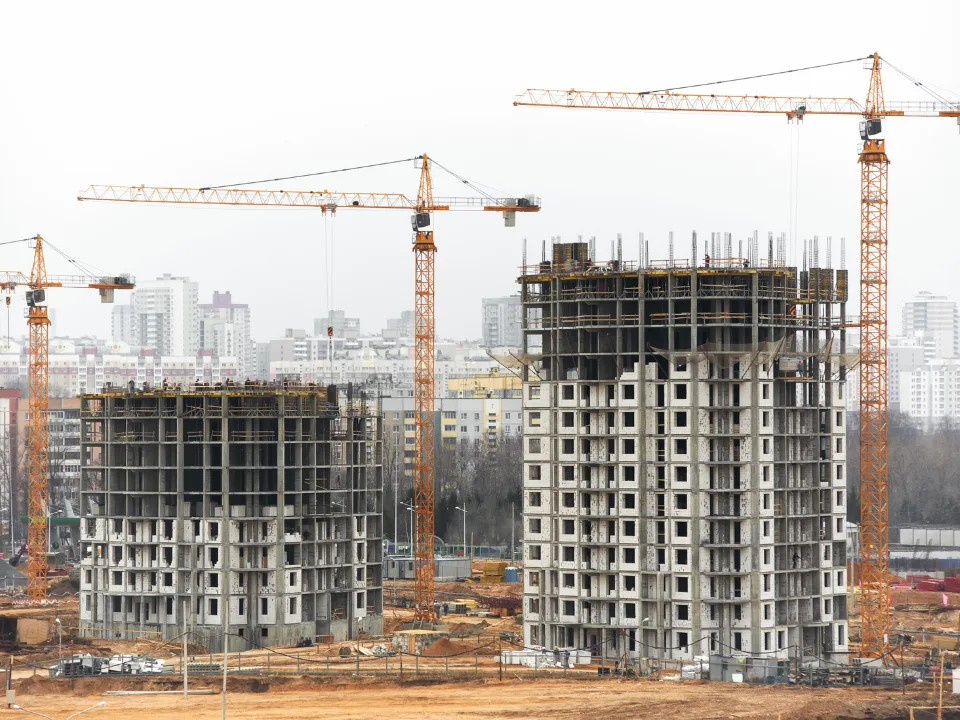






- The House removed provisions that would have forced build-to-rent operators to sell properties after seven years and limited future acquisitions.
- The revised bill still restricts large investors from buying certain existing single-family homes but adds broad exemptions for rental housing and renovations.
- The changes signal continued federal support for institutional capital in the single-family rental sector as housing supply pressures persist nationwide.
The build-to-rent industry avoided a major legislative setback this week after House lawmakers removed controversial restrictions from the latest version of the 21st Century Road to Housing Act. Bisnow reports that the revised proposal eliminates provisions that industry groups said would have effectively dismantled the institutional single-family rental business model.
House leadership is now targeting a vote next week under suspension of the rules, a process that limits debate but requires a two-thirds majority for passage, according to Politico. If approved, the amended legislation would return to the Senate for final consideration.
Get Smarter about what matters in CRE
Stay ahead of trends in commercial real estate with CRE Daily – the free newsletter delivering everything you need to start your day in just 5-minutes
Build-to-Rent Pushback Reshaped the Bill
The Senate passed the original bill on March 12. It included strict limits on institutional ownership of single-family housing. The proposal also required operators to sell properties after seven years. Industry groups viewed that provision as an effective ban on the BTR model.
The proposal sparked intense lobbying across the housing industry. Build-to-rent operators and private equity firms pushed back against the restrictions. Affordable housing advocates also opposed the measures. They argued the bill would reduce rental housing supply during an affordability crisis.
Meanwhile, opposition grew in the House. A bipartisan group of 76 lawmakers sent leadership a letter on April 22. The group warned it would not support the bill without removing the BTR restrictions.
The Details
The amended bill still limits institutional investors, but lawmakers narrowed the scope. The bill defines large institutional owners as firms with at least 350 homes. It also bars those firms from buying certain existing single-family homes.
However, lawmakers added several exemptions that protect most build-to-rent activity. The bill excludes properties occupied only by renters. It also exempts manufactured housing and homes needing rehabilitation to meet local codes or financing standards.
In addition, lawmakers removed a previous renovation requirement. Earlier versions required buyers to spend at least 15% of a home’s purchase price on upgrades. The revised bill removes that threshold entirely.
The updated language also protects current portfolios. The bill states institutional owners will not need to sell homes acquired before enactment. It also protects homes purchased after the law takes effect.
Lawmakers added 12 community banking provisions to the revised package. Those measures aim to reduce regulatory pressure on smaller lenders. The changes also align with the Federal Reserve’s push to ease capital rules for regional banks.
A Pivotal Moment for Build-to-Rent
The debate comes as build-to-rent has become one of the fastest-growing segments in US housing. According to industry data cited by Bisnow, construction volume for BTR housing rose 455% between 2019 and 2024.
Rental homes represented more than 7% of all US housing starts in the year ending September 2025, with roughly 69,000 units under construction. The sector expanded rapidly during and after the pandemic as affordability constraints, elevated mortgage rates, and migration trends boosted renter demand for suburban single-family housing.
The legislative uncertainty slowed transaction activity in recent months, particularly among institutional buyers evaluating acquisition pipelines. Still, the industry’s largest players continued signaling confidence. Invitation Homes and AMH collectively spent $554M on stock buybacks in Q1 2026 while authorizing an additional $1.2B for future repurchases. At the same time, developers continue reshaping the broader housing market through adaptive reuse and redevelopment projects, especially as office conversions accelerate in major cities.
Why It Matters
The revised legislation preserves institutional capital flows into the single-family rental market at a time when the US continues to face a structural housing shortage. Industry advocates have argued that limiting build-to-rent development would reduce new housing production rather than improve affordability.
The outcome also reflects growing political recognition that large-scale rental operators have become embedded in the broader housing ecosystem. While lawmakers continue scrutinizing institutional ownership, the House revisions suggest Congress may favor targeted guardrails over outright restrictions on the sector.
What’s Next
The House is expected to vote on the amended legislation next week. If the bill clears the chamber, the Senate will need to approve the revised version before it can head to President Donald Trump’s desk.
For build-to-rent developers and investors, the immediate focus will shift back to capital deployment and acquisitions after months of policy uncertainty. Market participants will also watch whether future housing legislation continues targeting institutional ownership or pivots more heavily toward supply-side incentives.