




- Boeing plans to invest $1B into its Wichita manufacturing operations over the next three years following its 2025 acquisition of Spirit AeroSystems.
- The company is expanding workforce training and upgrading production systems as it targets higher monthly 737 Max output rates.
- The investment signals Boeing’s push to stabilize its supply chain and rebuild manufacturing credibility after years of safety and production setbacks.
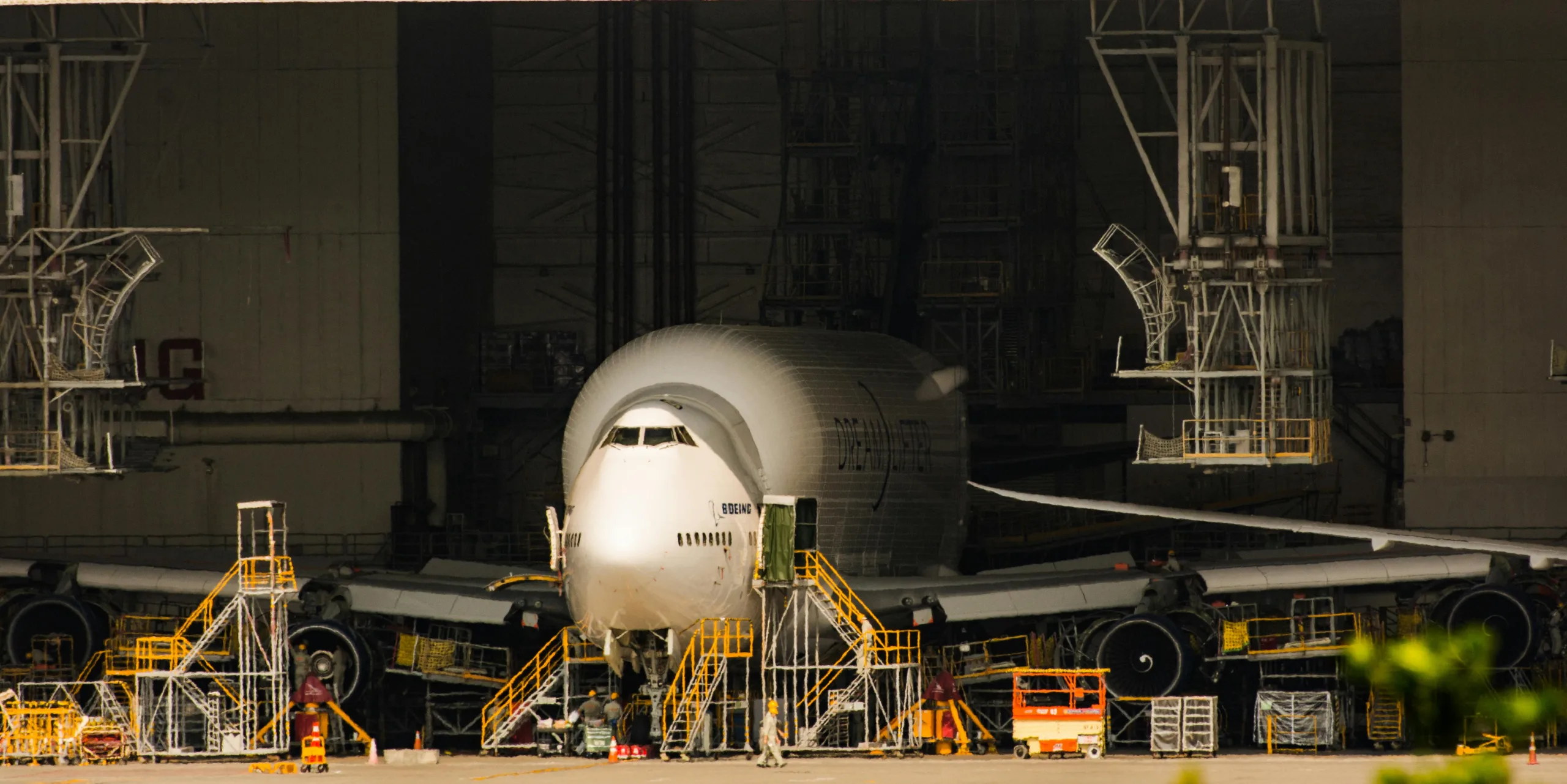
According to ManufacturingDive, Boeing is ramping up its manufacturing footprint in Kansas with a $1B investment tied to its Wichita aerospace facilities and the ongoing integration of Spirit AeroSystems. Boeing CEO Kelly Ortberg announced the plan on May 11, outlining upgrades to factories, worker training programs, and manufacturing systems aimed at supporting higher aircraft production rates.
The investment comes less than six months after Boeing finalized its $8.3B acquisition of Spirit AeroSystems in December 2025. The deal brought key fuselage manufacturing operations back under Boeing’s control as the company works to stabilize its production pipeline following years of quality-control scrutiny and supply chain disruptions.
Get Smarter about what matters in CRE
Stay ahead of trends in commercial real estate with CRE Daily – the free newsletter delivering everything you need to start your day in just 5-minutes
Rebuilding Wichita Operations
Wichita has long been central to Boeing’s commercial aircraft ecosystem, even after Spirit AeroSystems became an independent supplier in 2005. Boeing reacquired the fuselage manufacturer in 2025 after mounting production issues and regulatory pressure tied to the 737 Max program exposed weaknesses across the supply chain.
The FAA intensified oversight of Boeing and Spirit following the January 2024 Alaska Airlines midair door-plug blowout involving a 737 Max aircraft. Regulators subsequently capped Boeing’s 737 production at 38 planes per month while requiring tighter safety and manufacturing controls.
Boeing has gradually regained operational momentum since then. In October 2025, the FAA approved an increase to 42 aircraft per month, and Boeing now plans to raise monthly production to 47 this summer before eventually targeting 52 aircraft monthly, according to Ortberg’s April 2026 earnings call comments.
The Wichita Aerospace Facilities Expansion
The $1B commitment will fund factory modernization, manufacturing system improvements, and workforce development initiatives across Boeing’s Wichita-area operations. According to Boeing’s fact sheet, the company aims to improve operational performance while supporting “safe, quality” aircraft deliveries.
A major piece of the expansion centers on labor training. Boeing partnered with Wichita State University’s Campus of Applied Sciences and Technology to build a new 35,000-square-foot Boeing Workforce Training Center. The facility will include classrooms, technical labs, and testing areas designed to support thousands of trainees annually, according to the university’s May 8 release.
The training center is expected to open by the end of 2026, with pilot programs launching in spring 2027 to evaluate curriculum needs and future expansion opportunities.
Boeing executives have also signaled that integration-related spending will continue beyond Kansas. CFO Jesus Malave said during Boeing’s February earnings call that the company expects to spend nearly $4B in 2026, including about $1B tied directly to Spirit AeroSystems integration costs.
Ortberg said during Boeing’s Q1 earnings call that Spirit’s operational performance has improved under Boeing ownership, though additional productivity gains are still needed.
A Broader Manufacturing Reset
The Wichita investment coincides with broader production expansion efforts across Boeing’s commercial aircraft network. The company is also preparing to launch its new “North Line” production facility in Everett, Washington, this summer to support additional 737 manufacturing capacity.
The new line will initially build three 737 variants using production methods modeled after Boeing’s existing Renton operations. Ortberg said construction is complete and workforce hiring and training are already underway.
The parallel investments highlight Boeing’s strategy to regain control over manufacturing quality and throughput after years of operational turbulence. According to Boeing leadership, bringing Spirit’s fuselage operations back in-house allows for tighter coordination between engineering, production, and quality assurance teams. The manufacturing push also reflects broader aerospace demand trends that are fueling industrial leasing activity in major aviation hubs like Los Angeles, where defense and aerospace tenants continue to absorb large-scale logistics and production space.
That strategy comes as global airline demand continues to rebound and carriers push manufacturers for faster aircraft deliveries. Boeing and Airbus both face multiyear order backlogs, placing additional pressure on production systems already strained by labor shortages and supplier bottlenecks.
Why It Matters
Boeing’s Wichita aerospace facilities investment reflects more than a factory upgrade cycle—it’s a high-stakes attempt to restore confidence in the company’s manufacturing platform. The company has spent billions addressing safety failures, supply chain inefficiencies, and regulatory scrutiny since the 737 Max crisis intensified in 2024.
The investment also reinforces Wichita’s role as a critical aerospace manufacturing hub at a time when US industrial policy and domestic production capacity are receiving renewed attention. Workforce training investments could become increasingly important as aerospace manufacturers compete for skilled labor amid rising production targets.
Still, operational risks remain. Boeing continues investigating the workplace death of machinist Daniel Lussier at its Wichita site, following calls from the International Association of Machinists and Aerospace Workers for a transparent safety review.
What’s Next
The next major test for Boeing will be executing its planned increase from 42 to 47 monthly 737 Max aircraft this summer without triggering additional quality or regulatory setbacks. Industry observers will also be watching whether the Spirit AeroSystems integration delivers the productivity improvements and cost synergies Boeing executives have promised.
The Wichita Workforce Training Center’s launch in late 2026 could become another key benchmark as Boeing scales hiring and technical training efforts to support sustained production growth. If Boeing successfully stabilizes output and rebuilds supplier coordination, Wichita may emerge as the centerpiece of the company’s post-crisis manufacturing strategy.