






- Companies are spending significantly more on executive perks, including relocation assistance, private jet access, and personal security.
- Executive relocation costs reached as much as $187,000 per move in 2025, while employee relocation spending remained largely unchanged.
- The growing gap between executive rewards and worker compensation could create workforce engagement and retention challenges.
Bloomberg reports that US companies are sharply increasing spending on executive relocation packages, private jet access, and security benefits even as many workers face hiring freezes, layoffs, and reduced workplace perks. The trend highlights a growing divide between the incentives offered to senior leadership and those available to rank-and-file employees.
The disparity comes as corporate leaders continue competing aggressively for specialized talent, particularly executives and AI-focused professionals. According to Equilar, the S&P 500 CEO-to-worker pay ratio reached 200-to-1 in 2025, the highest level recorded since the firm began tracking the metric in 2018, underscoring how compensation strategies continue to diverge across the workforce.
Get Smarter about what matters in CRE
Stay ahead of trends in commercial real estate with CRE Daily – the free newsletter delivering everything you need to start your day in just 5-minutes
Competition for Elite Talent
Corporate spending on executive benefits has accelerated as companies battle for a limited pool of leadership and specialized technical talent. Relocation firms report that demand for high-touch services has increased steadily since 2022, particularly among Fortune 500 companies and large employers recruiting senior executives.
The competition extends beyond traditional C-suite hiring. According to relocation providers cited by Bloomberg, companies are increasingly using premium relocation packages to attract AI specialists and other high-demand professionals. Those packages often include assistance with home sales, temporary housing, transportation of valuable personal collections, and concierge-level support designed to minimize disruption during a move.
At the same time, many employers are reducing relocation benefits for lower-level workers, opting instead for fixed stipends or local hiring strategies that limit costs.
The Details
Data from relocation services provider CapRelo shows executive relocation expenses more than doubled between 2021 and 2025. Among its Fortune 500 and mid-market clients, the average cost of relocating a C-suite executive climbed to as much as $187,000 per move.
By comparison, relocation spending for other employees remained relatively flat, ranging between $21,000 and $25,000 over the same period.
Travel-related perks are also becoming more expensive. Equilar data cited by Bloomberg shows that more than half of S&P 500 executives and their families use corporate aircraft for personal travel. The median value of that benefit increased more than 40% since 2021, reaching nearly $210,000 in 2025.
Executive security spending has followed a similar trajectory. More than one-third of S&P 500 executives received security-related benefits in 2025, with median values exceeding $130,000, more than double 2021 levels.
Worker Benefits Move in the Opposite Direction
While executive compensation packages continue expanding, many employers are trimming costs elsewhere. Bloomberg notes that layoffs, hiring freezes, and benefit reductions have spread across sectors including technology and financial services.
Some large employers have scaled back paid parental leave programs, while hiring incentives are becoming less common. According to ZipRecruiter data cited by Bloomberg, only about 20% of new hires received signing bonuses during the six months leading into 2026, down from 28% a year earlier.
The contrast is becoming more visible as inflation and affordability concerns remain top issues for households. Bloomberg data tracking Russell 3000 earnings calls found mentions of “affordability” reached a record high during the first quarter of 2026, reflecting growing concern among executives about consumer financial stress and spending capacity.
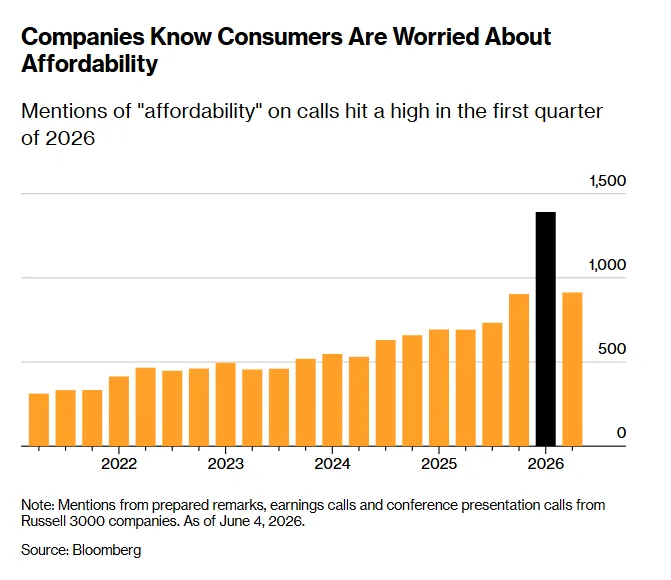
The result is a labor market where cost discipline increasingly applies to broad employee populations while premium compensation remains available for a relatively small group of leaders and specialized recruits.
Why It Matters
The growing emphasis on executive perks reflects how companies view talent acquisition at the highest levels. Strong corporate earnings have allowed many firms to justify larger compensation packages for leaders viewed as critical to growth, strategy execution, and technological transformation.
According to Equilar, median S&P 500 CEO pay increased 5.9% in 2025. Bloomberg Intelligence reported that corporate earnings grew even faster, rising 13% during the same period. That performance has reinforced the willingness of boards and employers to invest heavily in executive recruitment and retention.
For employers, however, the widening gap carries risks. Mercer found that seven in 10 workers reported increased financial stress related to inflation and market volatility in a survey conducted between September and October 2025. As employee concerns over affordability grow, disparities between executive rewards and workforce compensation could affect morale, engagement, and retention.
What’s Next
The outlook suggests executive-focused spending will remain elevated as companies continue competing for leadership talent and AI expertise. Relocation providers, corporate travel operators, and executive services firms are likely to benefit if employers maintain their willingness to fund premium recruiting packages.
At the same time, workforce affordability pressures show few signs of easing. Employers may face growing scrutiny from workers, shareholders, and governance groups as CEO pay ratios continue to expand.