







- Brooklyn developers have filed only one condo project with 50 or more units in 2026, versus five in 2025, 12 in 2021 and 30 in 2018, according to Marketproof.
- Some 71% of 2026 condo offering plans are for buildings with fewer than 10 units, as high costs, scarce sites and preservation rules favor boutique projects.
- The borough is expected to see about 30% fewer condos reach the market annually from 2026 to 2029 than in the previous decade, tightening supply.
Brooklyn’s new condo pipeline is shrinking in both volume and project size, according to The Real Deal. From 2026 through 2029, the borough will see about 30% fewer condos reach the market each year than in the prior decade.
Rising costs for land, construction and borrowing, plus limited sites, are holding back development across New York City.
Get Smarter About What Matters in New York
Subscribe to our free newsletter covering the biggest commercial real estate stories across the five boroughs — delivered in just 5 minutes.
Fewer Big Projects
Marketproof data shows developers have filed plans for just one Brooklyn condo project of 50 or more units in 2026. The comparison is five in 2025, 12 in 2021 and 30 in 2018.
In 2026, 71% of new condo offering plans were for buildings of fewer than 10 units.
Why Sites Dictate Size
Naftali Group and Two Trees have already reshaped the Williamsburg waterfront, and much of Downtown Brooklyn is under way. Beyond those areas, few prime neighborhoods can handle high-rises.
Minerva co-founder Omri Bar-Mashiah said many areas are marked for historic preservation, so assembling larger sites is hard even when zoning would allow it. His firm focuses on boutique projects in Boerum Hill, Cobble Hill, Carroll Gardens and Park Slope.
What Buyers Want
Smaller buildings typically carry lower monthly charges, since taxes are lower and owners do not pay for stacked amenity floors. Practicality is only part of the draw.
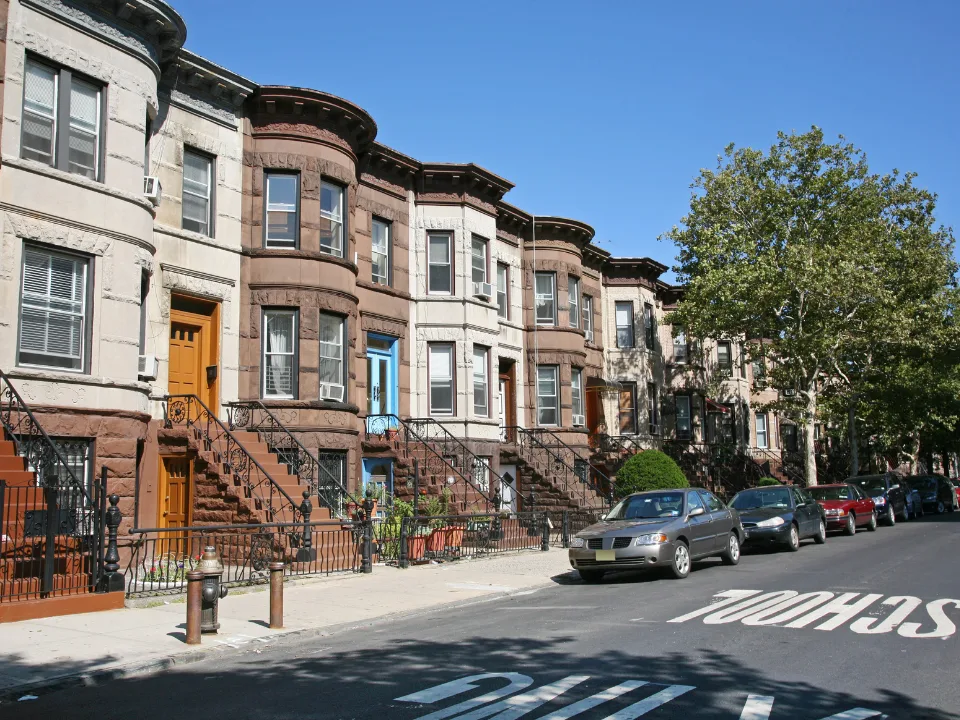
Douglas Elliman’s Nadia Bartolucci said larger projects are not on the quintessential Brooklyn blocks, and buyers want to be part of the neighborhood.
Why It Matters
Fewer and smaller projects mean less new inventory in a borough where buyers already have limited options. The same cost pressure is visible across the river, where Manhattan new development contracts fell to 240 in Q3.
Boutique buildings also serve a different buyer and produce fewer units per site, which limits how much any single project can add to supply.
What’s Next
Watch filings in the coming quarters to see whether large Brooklyn projects return or the boutique trend deepens. A drop in financing or construction costs is the likeliest trigger for bigger plans.