







- Pimco CIO Dan Ivascyn says a 6% yield on the 10-year Treasury is possible but not certain, driven by inflation, fuel prices, public debt and forced selling by leveraged investors.
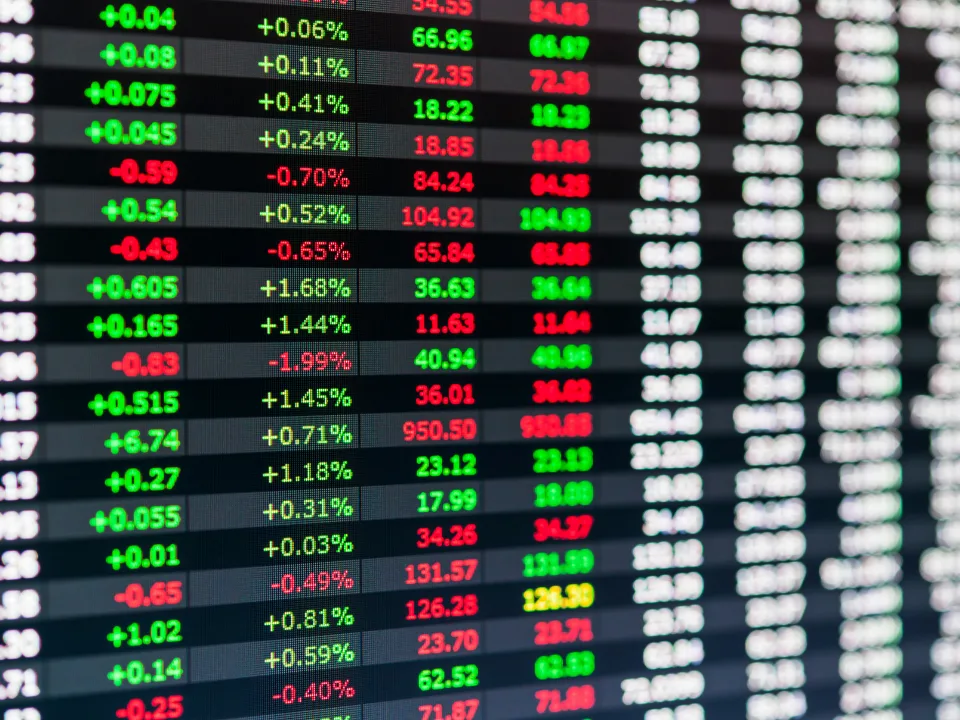
- The yield now sits between 5.25% and 5.6%. A move to 6% would be its highest in 26 years, and Ivascyn says 5.5% or higher would weigh on stocks and corporate bonds.
- Jim Bianco is buying the weakness, so commercial real estate borrowers face a split market view on whether higher rates signal more pain or enough compensation for risk.
Pimco chief investment officer Dan Ivascyn says the 10-year Treasury yield could reach 6%, according to GlobeSt. Inflation and government debt are only part of the story, because investors unloading losing bond positions could push yields up further.
Ivascyn raised the possibility in an interview with the Financial Times, stopping short of calling it a forecast.
Get Smarter about what matters in CRE
Stay ahead of trends in commercial real estate with CRE Daily – the free newsletter delivering everything you need to start your day in just 5-minutes
The Case for a Move to 6%
The benchmark yield currently trades between 5.25% and 5.6%. Hitting 6% would mark a 26-year high, a level not seen since the run-up to the Global Financial Crisis, with fuel costs, inflation and the federal debt load all weighing on bonds.
Ivascyn added a trading angle. Leveraged investors, including large platform hedge funds, have been getting forced out of losing positions over the past couple of weeks, and he said that pressure alone could carry yields higher.
“You can certainly get there,” he said.
How Forced Selling Compounds
When yields climb, prices of existing bonds drop. Holders who need to exit before maturity lock in a loss, and their sales push prices lower for everyone else.
The FT described hedge funds dumping bad bond bets. That can set off a chain reaction in which each round of selling triggers the next, while inflation chips away at the value of fixed payments.
Beyond Treasuries
At 5.5% or above on the 10-year, Ivascyn expects stocks and corporate bonds to weaken as well. The 2023 bank failures offer a reminder of how it can go wrong, since Silicon Valley Bank was sitting on long-term bonds and mortgage securities bought when rates were far lower.
The Fed’s path is a live question for real estate borrowers too, as the Fed minutes made clear.
The Contrarian Case
Jim Bianco of Bianco Research in Chicago reads the same selloff as an entry point. He told Bloomberg he is turning bullish on bonds after being bearish since 2020, when the 10-year bottomed at 0.3%, and calls it a “value play.”
Bloomberg’s numbers back him up: a buyer at today’s levels would need the yield to hit 6% before price losses cancelled out the income. A 100-basis-point rise would cost under 2%, while a one-point drop would return about 13%.
Why It Matters
The 10-year anchors long-term borrowing costs, so a push toward 6% would flow straight into loan pricing and deal underwriting. Investors have to decide whether higher yields mean more trouble or enough reward for the risk.
Property markets have shown some resilience so far, as the REIT rate resilience story suggests.
What’s Next
Watch whether leveraged selling intensifies, since Ivascyn ties a run toward 6% to that technical pressure. Demand from buyers like Bianco at yields above 5% could help cap the move.
Ivascyn framed 6% as a risk to plan for, not a forecast, and that distinction matters. Borrowers, lenders and buyers are better served stress-testing deals against a higher benchmark than assuming relief is coming.