







- The Wall Street Journal reports that Miami’s luxury Design District qualifies for the next phase of Opportunity Zones, which begins at the start of next year.
- It qualifies because its census tract includes Little Haiti and Buena Vista, and the district has no residents, so tract income data comes from the outskirts.
- Critics call the program a subsidy for wealthy investors, while supporters say it draws capital; zone maps use income data up to six years old.
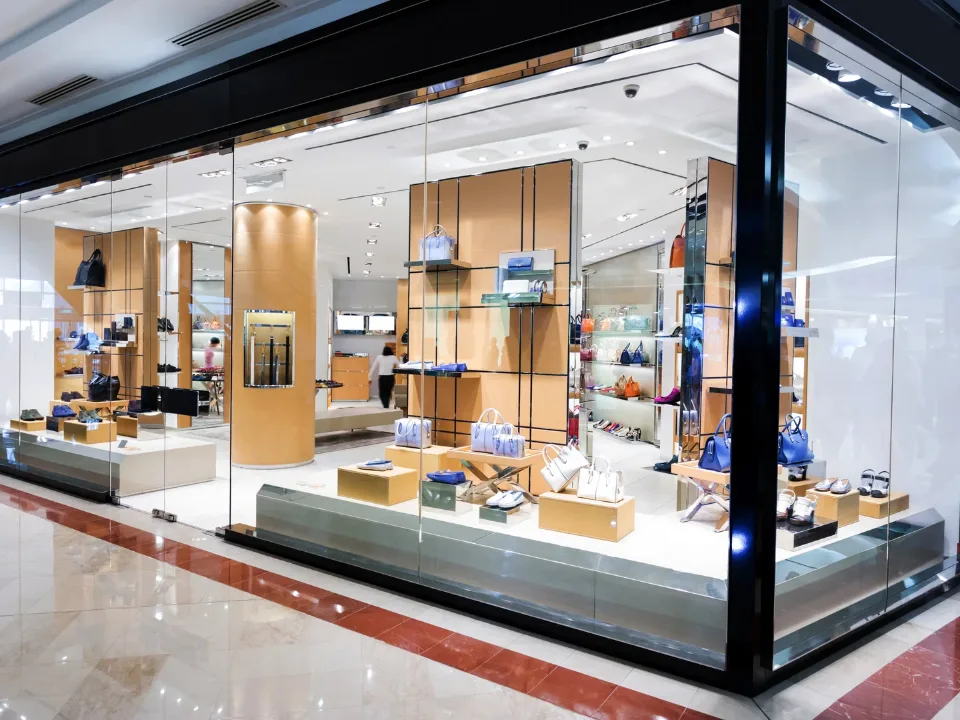
Miami’s Design District, home to Dior and Chanel boutiques, is classified as economically distressed, and The Wall Street Journal reports it again qualifies for the next round of Opportunity Zones.
Washington launches the second phase in early 2027.
Get Smarter about what matters in CRE
Stay ahead of trends in commercial real estate with CRE Daily – the free newsletter delivering everything you need to start your day in just 5-minutes
How a Luxury District Qualified
The 30-acre district gets the label because census-takers bundle it with neighboring poorer areas. Its tract includes Little Haiti and Buena Vista.
The Design District has almost no residents, so census data relies on residential figures from the tract’s outskirts. The zone map also used income data up to six years old.
Debate Over the Breaks
Brett Theodos of the Urban Institute told the Journal the program is a subsidy for wealthy people to make investments they would have made anyway. Critics also note that beneficiaries don’t have to report publicly.
John Lettieri of Economic Innovation Group, which conceived the program, told the Journal it has been a success despite outliers, and said governors must choose the right locations.
The Developer’s View
Developer Craig Robins said the designation drew capital that improved the area, and that his partners L Catterton and Brookfield aren’t pursuing tax breaks themselves. They bought the central retail land years before the 2017 law.
The Journal notes that hundreds of millions have gone in since the designation and land values have soared. The tract’s residents remain largely lower income.
Why It Matters
The program is now permanent, as we covered in Opportunity Zones 2.0, where Trepp said the rules for new investments change in 2027 and multifamily developers have used it most.
Projects in the pipeline, such as a hotel branded Fouquet’s and the 20-story Ursa office and retail tower, could also qualify for the federal breaks.
What’s Next
State governors will pick zones for the second phase. Miami land values have run hot, as in the Wynwood land sale to Ken Griffin, so how governors treat already-booming districts will be a test of the program’s goals.