






- Marcus & Millichap says high construction costs could push the next commercial real estate development cycle years away, stretching the phase of falling vacancy and rising rents.
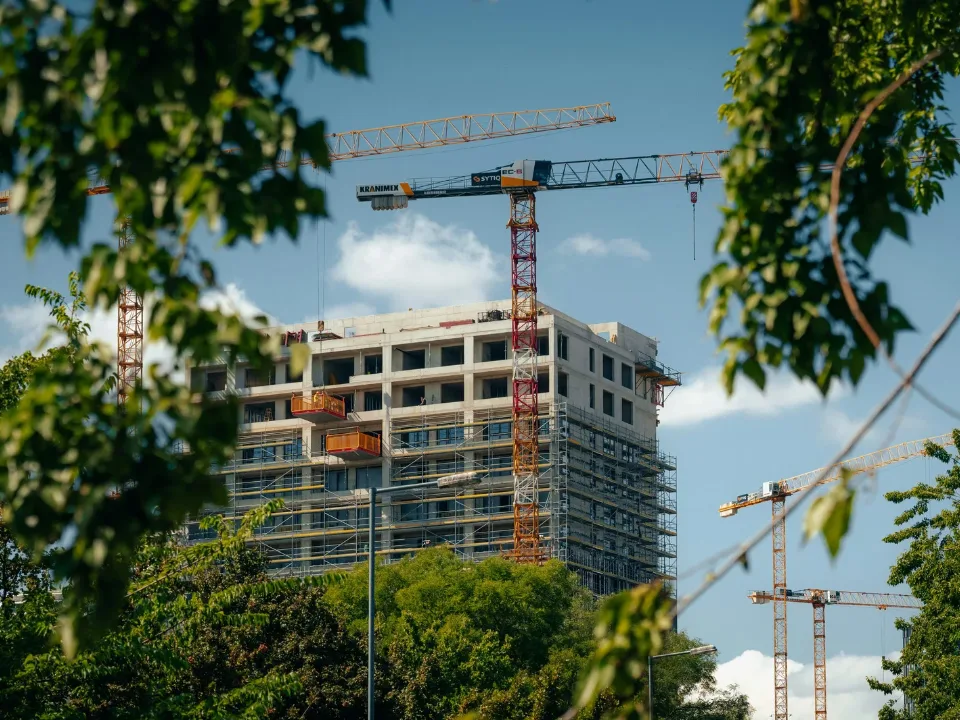
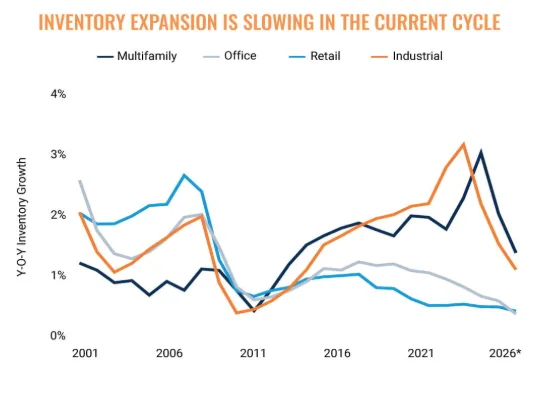
- Apartment units under construction are down 50% from their 2023 peak and industrial space is down 60% from its 2022 peak, with self-storage, seniors housing and medical office also falling.
- Higher financing costs, tariff-driven material prices and tight labor mean rents must rise further before new projects pencil, so investors should weigh future supply alongside vacancy.
Building has gotten so expensive that the next commercial real estate construction cycle may be years away, which could hand owners of existing buildings a longer run of rent growth, according to Marcus & Millichap’s October construction outlook, which GlobeSt also highlighted.
Pipelines for apartments and industrial space are already down by half or more from their peaks. For investors, that makes future supply as important as today’s vacancy rate.
Get Smarter about what matters in CRE
Stay ahead of trends in commercial real estate with CRE Daily – the free newsletter delivering everything you need to start your day in just 5-minutes
Pipelines Are Emptying
The drop is steep. Apartment construction is running 50% below its 2023 high and still sliding. Industrial is worse: 60% under its 2022 peak, and the pipeline keeps shrinking.
Other property types are following. Self-storage construction spending is 32% under its 2023 high, and seniors housing and medical office have fallen by similar margins. Retail and office development stay quiet.
The industrial figure needs some context. Yardi Matrix data we covered earlier this week showed industrial starts rebuilding to 274.4 million SF through three quarters. That is a rebound, but the year was only on pace to be the busiest since 2022’s record, not to top it, and power access and construction costs were the main hurdles.
Three Costs Holding Projects Back
Marcus & Millichap sees three forces raising the bar to break ground. Pricier debt has made deals harder to pencil.
Trade policy and shipping costs are holding building material prices up. Labor is getting dearer too, with immigration policy and the data center and AI build-out both tightening the pool of workers.
Put together, rents need to rise before most new projects make financial sense, and the firm expects little building until they do.
A Longer Runway
Normally, supply trails the market, which is why CRE swings between too much space and too little. This time, cost could interrupt that rhythm. If builders stay sidelined, the stretch of falling vacancy and climbing rents could last longer than usual.
Some big investors already act on that logic. Hines Global CIO David Steinbach said in a Bloomberg interview, as we noted earlier this month, that rising financing costs are cutting off new supply, and Hines is leaning toward buying existing properties with a strong income focus.
Not Every Sector Looks the Same
Not every sector faces the same math. Marcus & Millichap sees offices stuck in a long oversupply after the pandemic reset in demand, while retail could be nearing a shortage as it adjusts to online shopping.
Apartments and industrial are still working through extra space, but thinner pipelines will matter once that space fills.
Why It Matters
For buyers, the lesson is to underwrite supply as well as demand. Vacancy tells you what a market still has to absorb; the pipeline tells you who might show up to compete later, as GlobeSt’s write-up puts it.
Local conditions will decide who benefits. Land costs, policy, and limits on water and power can hold supply down even more, and may point to openings that aren’t obvious yet.
What’s Next
Watch rents. The next cycle likely starts when rents climb high enough to justify new construction, so its timing depends on how fast they rise against building costs.