



- New York City Planning named 12 community districts across four boroughs where affordable housing rezonings get a 90-day review beginning Jan. 1, replacing a typical seven-month wait.
- Those districts produced just 724 of the city’s 65,000-plus affordable units over five years, and eligible projects must meet Mandatory Inclusionary Housing standards or better.
- The rule limits council member deference on these districts for five years, but officials whose districts landed on the list, including Gale Brewer, continue to oppose it.
The New York City Department of City Planning released the 12 community districts where affordable housing rezonings will move on a fast track, according to Bisnow.
Rezoning requests there will clear review in 90 days, down from the seven months developers normally wait. The rule takes effect Jan. 1.
Get Smarter About What Matters in New York
Subscribe to our free newsletter covering the biggest commercial real estate stories across the five boroughs — delivered in just 5 minutes.
Where the Fast Track Applies
The list covers 12 community boards in Manhattan, Brooklyn, Queens and Staten Island. Together, they produced just 1.1% of the city’s affordable housing over the past five years.
Three are in Brooklyn: Bay Ridge and Dyker Heights, Borough Park and Kensington, and Canarsie and Flatlands.
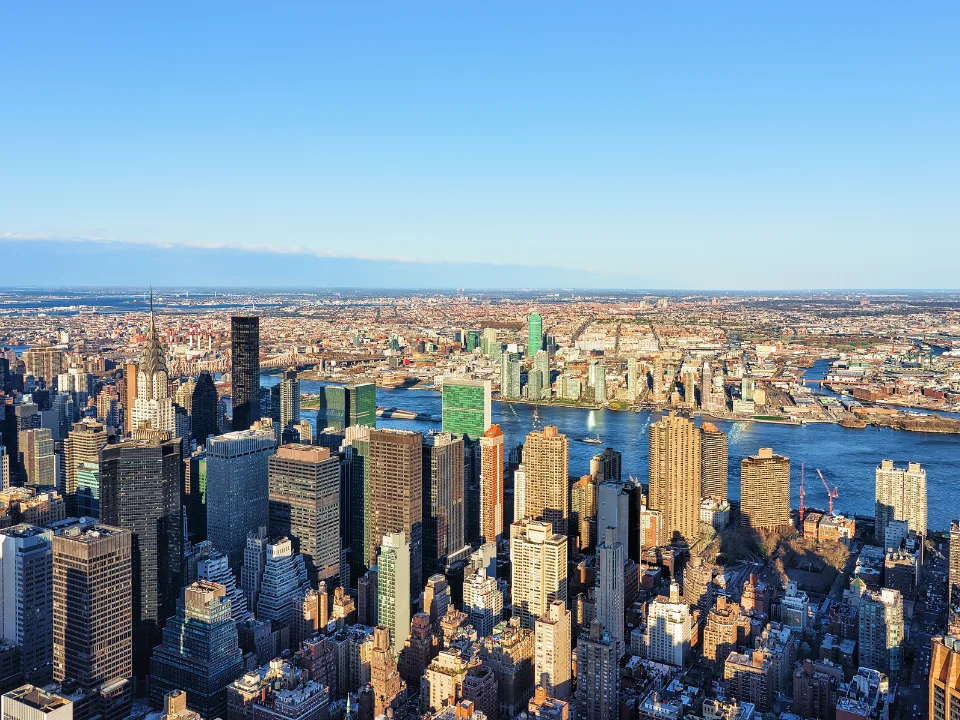
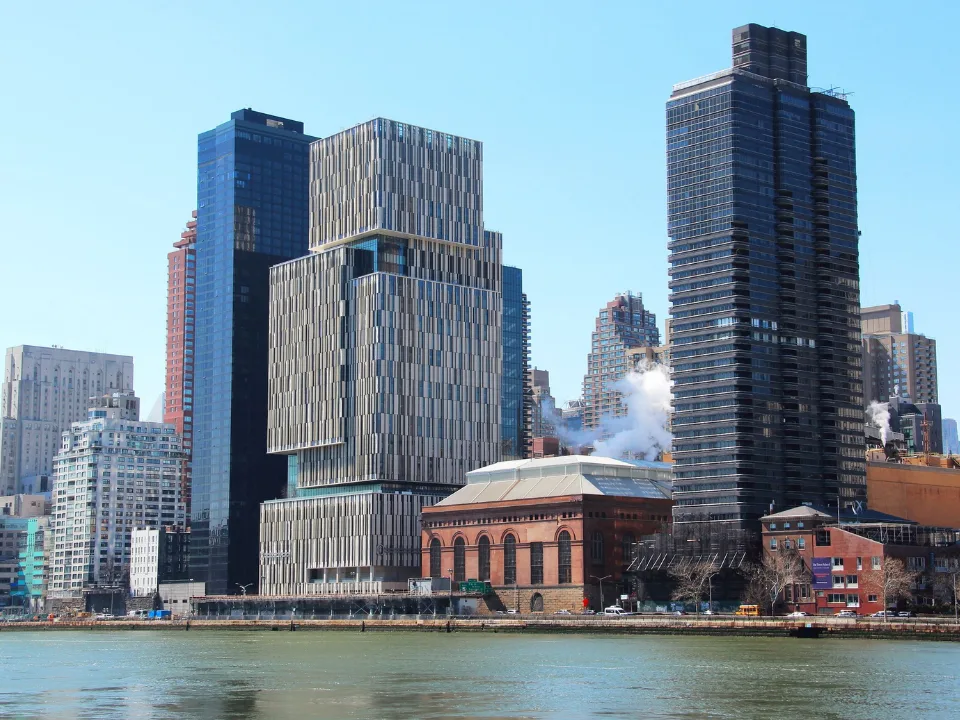
In Manhattan, the list includes the Upper West Side and Upper East Side with Roosevelt Island. It also includes five Queens districts and two on Staten Island.
City Planning will recalculate the districts every five years.
How the 90-Day Clock Works
Proposals for permanent affordable housing will go through the Expedited Land Use Review Procedure.
The 90-day process has two parts. The first 60 days cover community input and borough president review. The final 30 days cover City Planning Commission review.
If a proposal gets denied, developers can appeal. A board made up of the mayor, the council speaker and the borough president will hear those appeals.
The city has already used the procedure three times. One case rezoned a city-owned site in Mott Haven for an 84-unit apartment building.
A Lopsided Housing Map
The city created more than 65,000 affordable units over the past five years. However, only 724 came from the 12 selected districts.
By contrast, 51% of the affordable housing produced during that period came from 12 districts in the Bronx, Brooklyn and Queens.
“We can’t concentrate affordable housing in just a handful of neighborhoods,” City Planning Director Sideya Sherman told reporters.
Still, the agency will not set unit targets for each district.
What Developers Must Build
Eligible projects must meet Mandatory Inclusionary Housing standards or better.
Under those rules, developments with more than 10 units must set aside 20% to 30% of residential floor area for permanent affordable housing. Eligible incomes range from 60% to 115% of area median income.
Why It Matters
The measure targets member deference. That long-standing practice lets a district’s council member effectively decide whether a rezoning moves forward.
City Planning developed the list after voters approved a ballot measure last November. The measure streamlined the approval process.
Meanwhile, Mayor Zohran Mamdani said the policy gives the city “a new tool to cut through red tape.” He also said it spreads housing growth more fairly across the boroughs.
What’s Next
Opposition has not faded. Then-Council Speaker Adrienne Adams called the ballot measure misguided when it was proposed.
Upper West Side Council Member Gale Brewer has also said Manhattan should come off the list.
As a result, watch for pushback from council members ahead of the Jan. 1 start date.