






- NIC Map projects senior housing will need more than 1M additional units by 2035 to keep pace with demand.
- Construction starts fell 67% from 2021 to 2025, while nationwide occupancy reached 90% in 2026.
- Senior housing led CRE returns in 2025, increasing investor interest as the supply gap continues to widen.
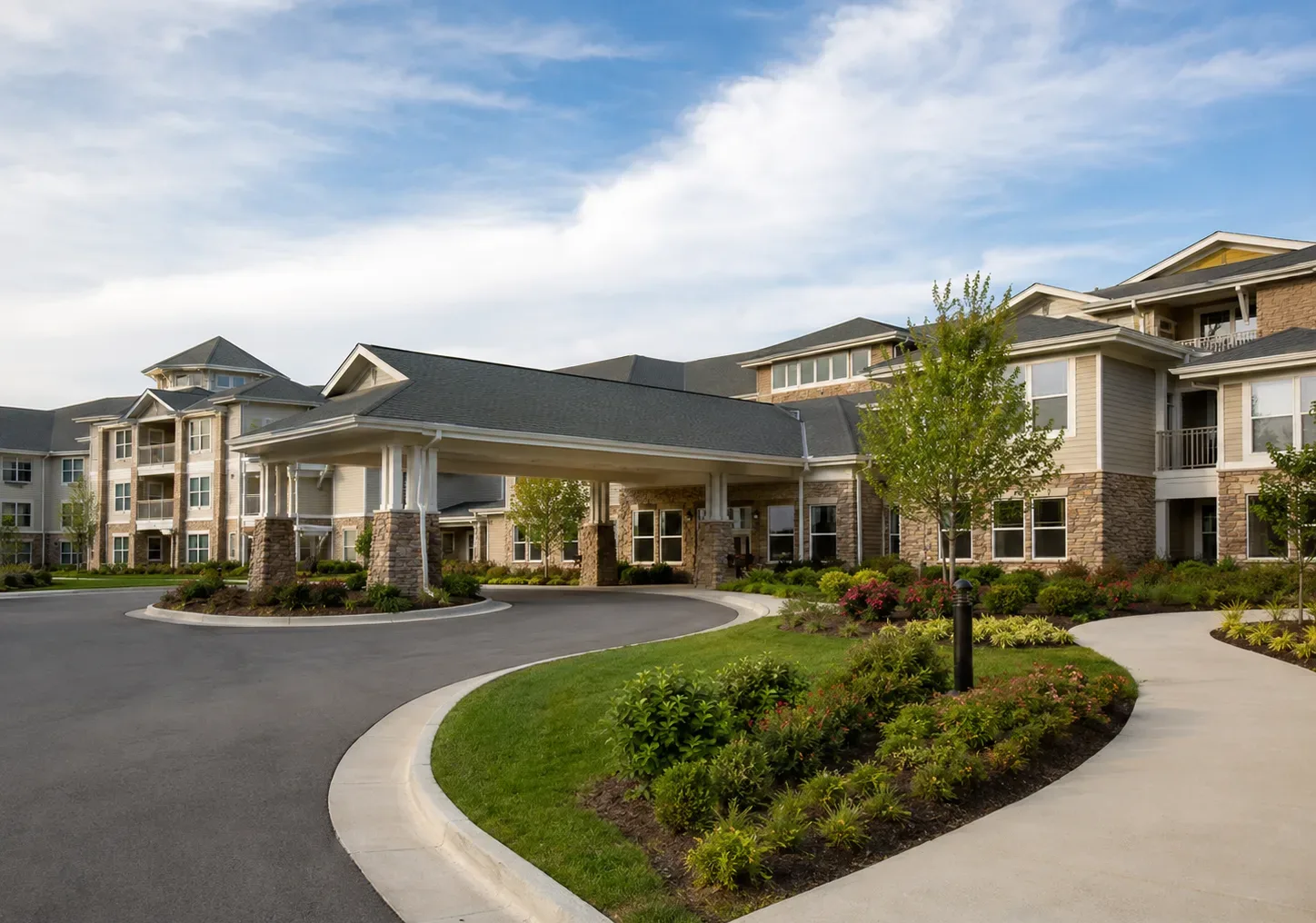
According to Bisno, the senior housing shortage is widening as the first of 70M baby boomers turn 80 in 2026. NIC Map says demand is strengthening while development has slowed sharply. The gap now creates a major capital need for new supply and aging properties.
Get Smarter about what matters in CRE
Stay ahead of trends in commercial real estate with CRE Daily – the free newsletter delivering everything you need to start your day in just 5-minutes
Senior Housing Shortage Deepens
According to NIC Map’s 2026 report, senior housing occupancy has reached 90% nationwide. The firm expects 13M additional people to choose senior housing within the next 15 years. Maintaining current availability would require more than $1T of investment by 2050. That figure covers more than new construction. More than two in five existing units are over 25 years old, adding a sizable modernization need.
The Details
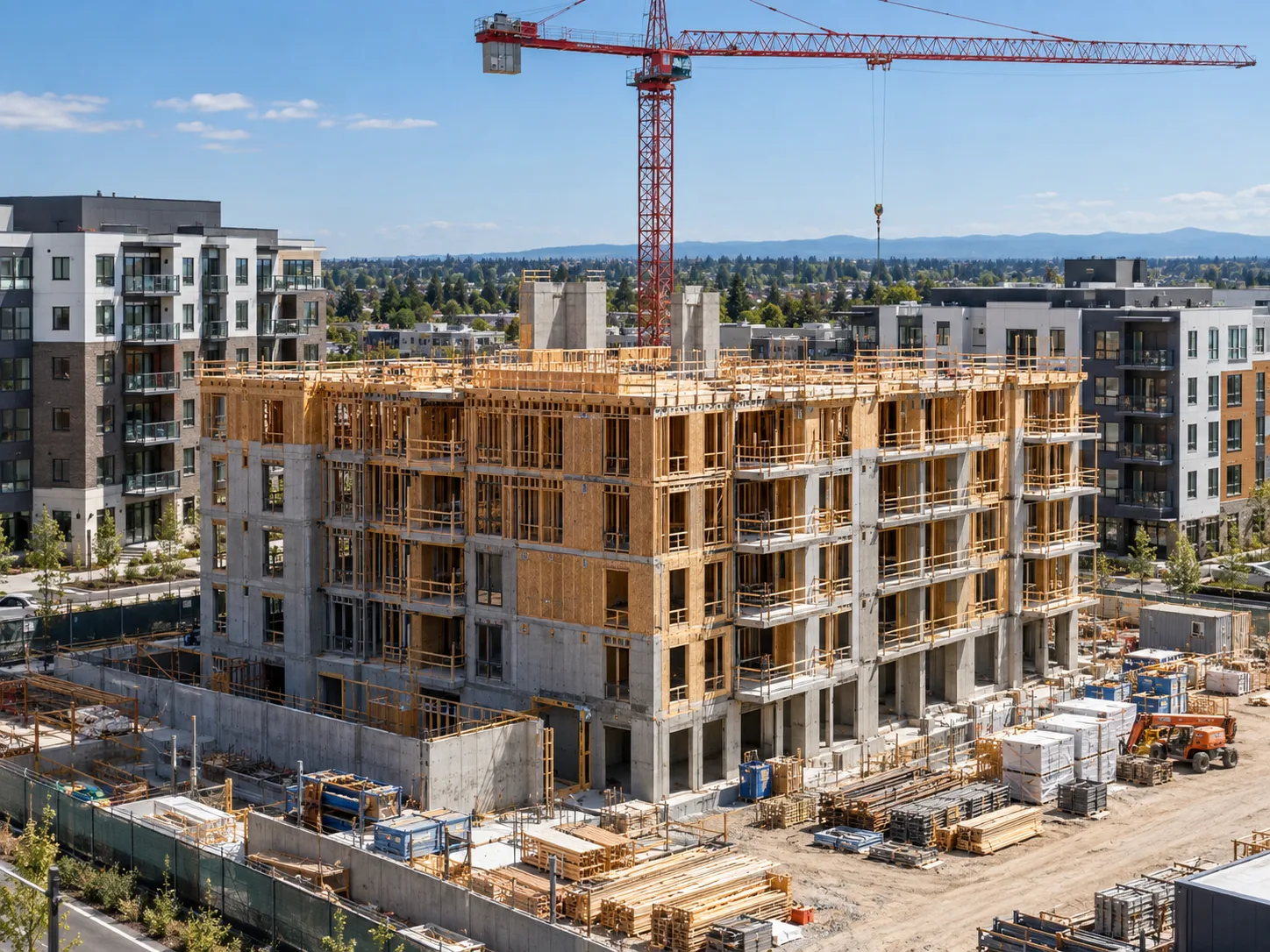
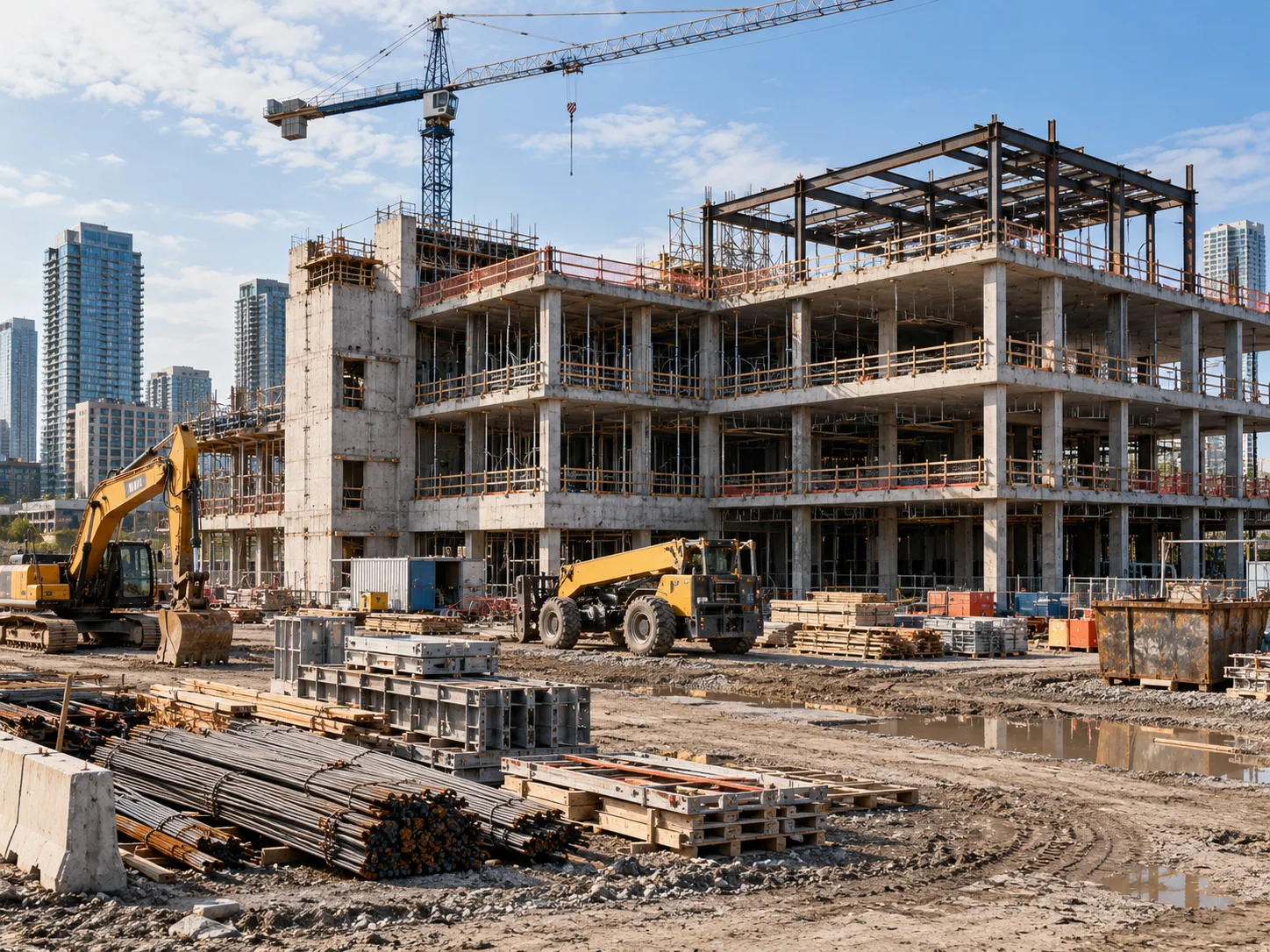
NIC Map says construction starts dropped 67% between 2021 and 2025. Annual starts fell from roughly 30,000 units to about 10,000 during that period. The industry would need 578,000 additional units by 2030 and more than 1M by 2035. That path requires roughly 140,000 units by 2027. After that, development would need to hold near 100,000 units annually.
Returns Draw Investor Attention
The demand imbalance has already supported strong investment performance. The NCREIF Property Index showed senior housing produced a 10.6% one-year total return in 2025. That made it the best-performing CRE asset class in the data cited by NIC Map. The broader property index returned 4.9% over the same period. Investor interest has grown as the demographic demand story becomes more visible.
Why It Matters
The supply gap reaches across operators, developers, lenders and institutional investors. NIC Map CEO Arick Morton said no single capital source can meet the need. Funding pressures are already affecting existing supply, with 2,900 senior housing units facing risks from stalled HUD funds. Slower construction leaves the industry with less room to absorb a fast-growing senior population. Older inventory creates another funding challenge because new development alone will not address the existing stock.
What’s Next
NIC Map’s near-term benchmark is roughly 140,000 additional units by 2027. The report then calls for about 100,000 units of annual development to maintain pace. By 2035, cumulative need rises above 1M units. The sector will also need capital to update older properties while expanding new supply. Morton said the demand-supply imbalance has worsened from two years earlier.