

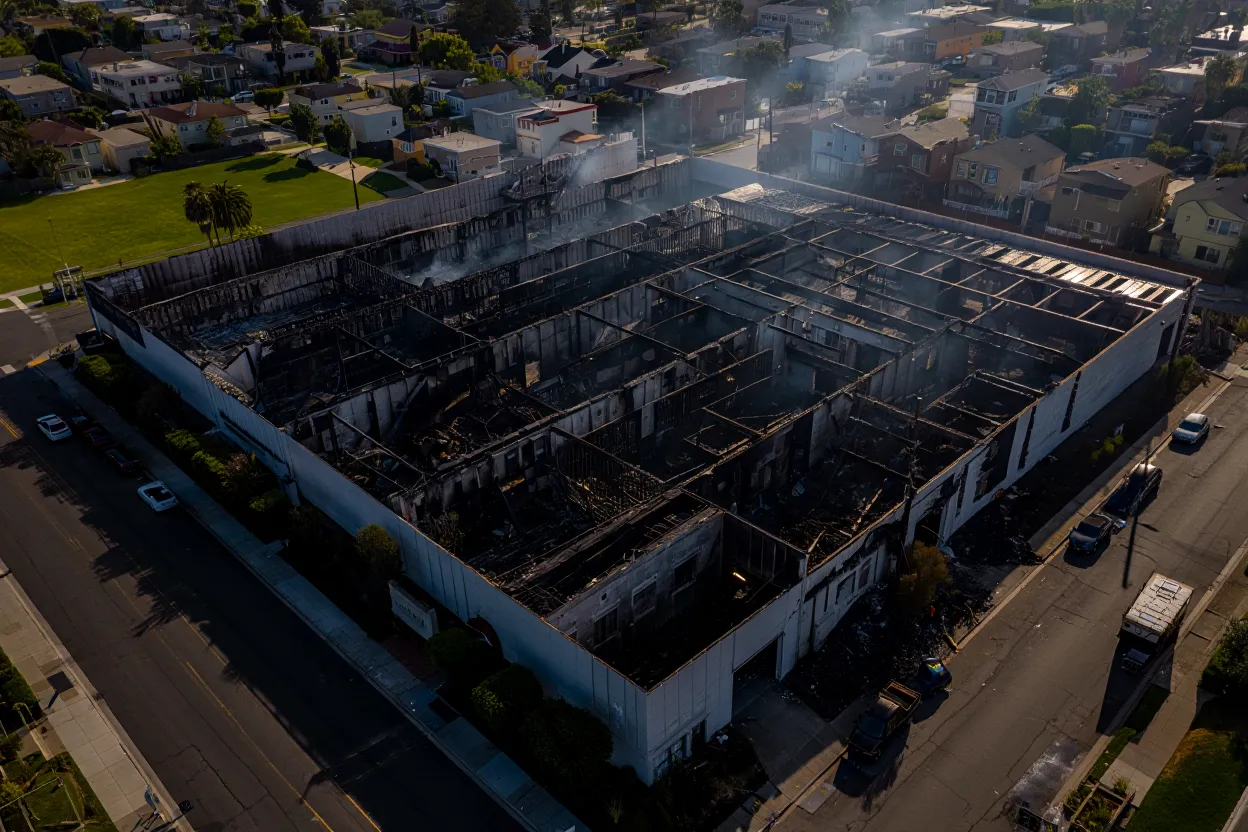



- A fire at the Lineage cold storage site in Boyle Heights triggered a $100M cleanup and nearly 4,000 odor complaints, per Commercial Observer.
- City officials and residents are demanding tougher rules on where large, automated warehouses can be built, especially near homes and schools.
- Heightened pushback reflects growing national scrutiny on industrial facilities’ safety risks and environmental impacts following several high-profile warehouse fires.
Public Health Risks Ignite Regulatory Debate
The Lineage Cold Storage warehouse in Los Angeles’ Boyle Heights caught fire in June, triggering immediate fallout. Thousands of odor complaints followed, alongside pest infestations and citywide outcry, per Commercial Observer. Crews have cleared 90% of the rotting food waste, while cleanup costs have reached $100M. The disaster has intensified debates around megawarehouse size, placement, and oversight.
Local leaders, including Mayor Karen Bass and Councilmember Ysabel Jurado, moved quickly in response. They froze reconstruction and pushed for new ordinances targeting industrial sites near neighborhoods and sensitive areas. Meanwhile, Southern California faces broader scrutiny after industrial development surged during the pandemic. Larger, automated logistics centers increasingly operate near residential zones, raising concerns about their risks and economic benefits.
Get Smarter about what matters in CRE
Stay ahead of trends in commercial real estate with CRE Daily – the free newsletter delivering everything you need to start your day in just 5-minutes
Rebuilding on Hold After $100M Disaster
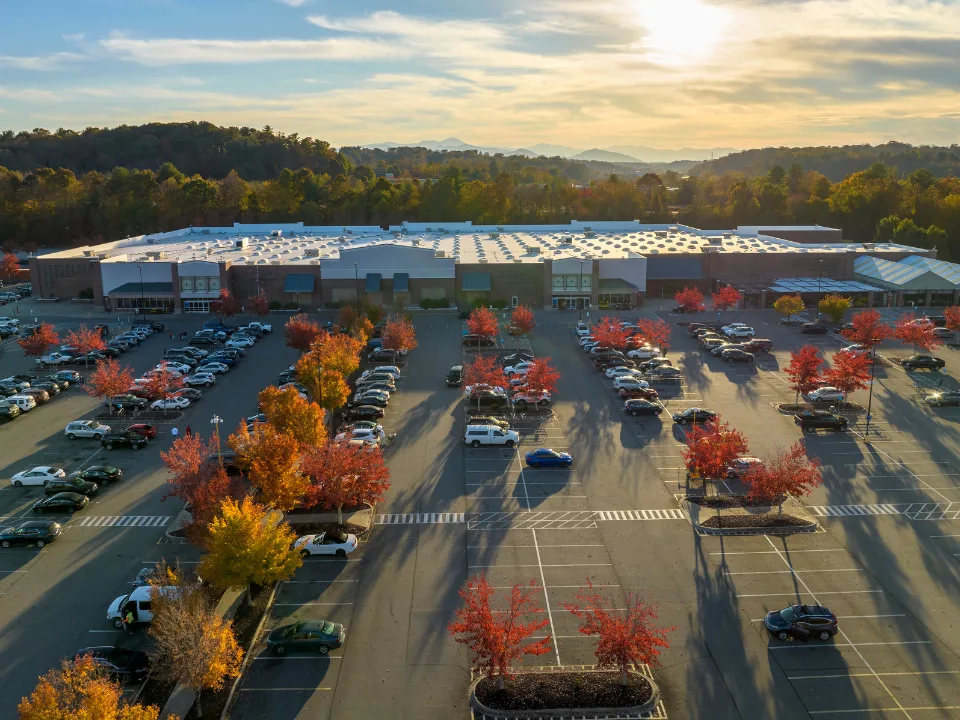
Lineage’s half-a-million-SF facility now sits at the center of a $100M remediation effort, according to company disclosures. The June fire reduced the facility to a husk, just 100 feet from single-family homes. Lineage submitted rebuilding plans in late July, but city leaders immediately resisted them. Officials imposed a moratorium until Lineage completes cleanup and addresses air quality violations.
Nearly 4,000 odor complaints reached the South Coast Air Quality Management District, while residents have filed lawsuits. Officials have demanded maximum fines and restrictions on new warehouses near schools and daycares. Councilmember Jurado said she would not support rebuilding while the public health crisis continues. Protests have also highlighted environmental justice concerns and could influence future warehouse siting decisions.
Megawarehouse Fires Prompt National Scrutiny
The Lineage fire is not an isolated case. From 2020 through 2024, the NFPA recorded more than 1,500 US warehouse fires annually. Those fires caused an average of $200M in annual losses. Warehouse fires have declined since the 1980s, but remaining incidents often cause greater damage. Rising automation, denser storage, and flammable materials have increased potential risks.
In April, a 1.8M-SF Kimberly Clark warehouse in Ontario, CA, burned down. A 1M-SF Medline facility in Tracy, CA, burned in June. Walmart’s Plainfield, IN, warehouse fire in 2022 caused $500M in losses. These incidents are strengthening local opposition as warehouses become larger and move closer to homes. CBRE reported average warehouse size increased 25% between 2012 and 2022.
Why It Matters
E-commerce and supply chain demand fueled an industrial boom during the last half-decade. However, safety and environmental concerns now threaten that expansion. The Lineage disaster exposed vulnerabilities in the megawarehouse model. Automation, high-density storage, and residential proximity can create difficult conditions during emergencies. The NFPA also identifies thick insulated walls, combustible inventory, and fewer on-site workers as challenges for emergency responders.
At the same time, industrial developers are accelerating activity. Cushman & Wakefield recorded 146 leases above 500,000 SF in 2025, up 31% from 2024. Warehouse construction reached 305M SF in Q2 2026, increasing 18% year-over-year. Yet community activism and potential regulation increasingly constrain expansion. Resident opposition helped cancel at least 20 proposed data centers in early 2026, according to Heatmap. Those cancellations affected $41.7B in planned investment.
The political climate now favors tougher zoning and siting requirements. Policymakers increasingly focus on facilities near schools, homes, and other sensitive locations. This shift could significantly affect industrial development and investment across the US.
What’s Next
Los Angeles has paused large warehouse construction near residential areas while policymakers consider new environmental justice ordinances. Other metros could follow the city’s approach as campaigns for stricter zoning spread nationally. Meanwhile, Los Angeles has streamlined permitting to accelerate rebuilding after wildfires, highlighting competing priorities around recovery and development oversight.
Still, residents and regulators are demanding stronger safeguards. Developers and investors now face greater uncertainty around future warehouse approvals. Community opposition could create lasting restrictions on urban warehouse development or simply delay projects in the short term.