



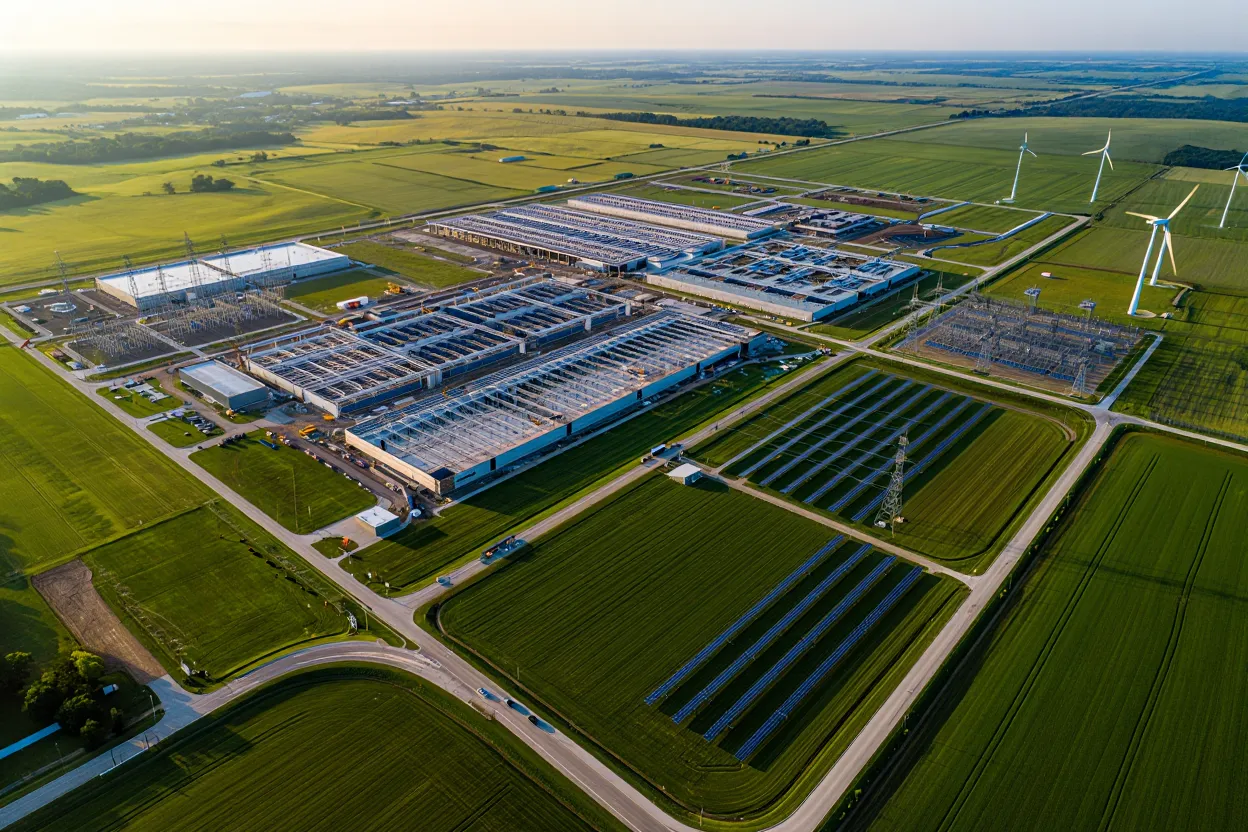
- Brookfield and NextEra are partnering to develop a $100B AI data center campus at the former DOE uranium site in Paducah, Kentucky.
- The project will utilize up to 4.6 GW of dedicated power generation and support 1.2 GW of compute by completion in 2032.
- This signals a major escalation in US data center investment, unlocking infrastructure without burdening local communities.
A New Era for US Data Center Scale
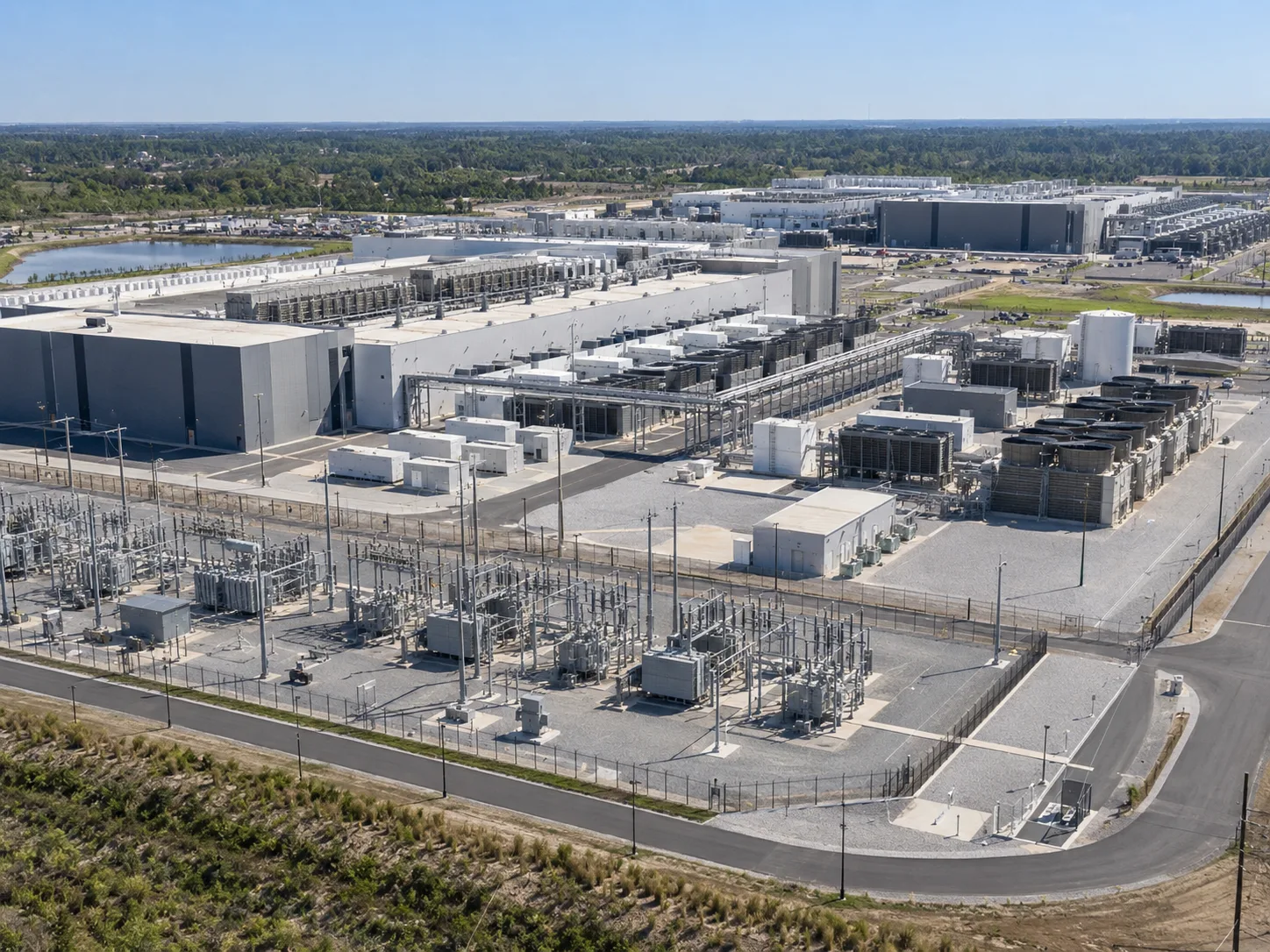
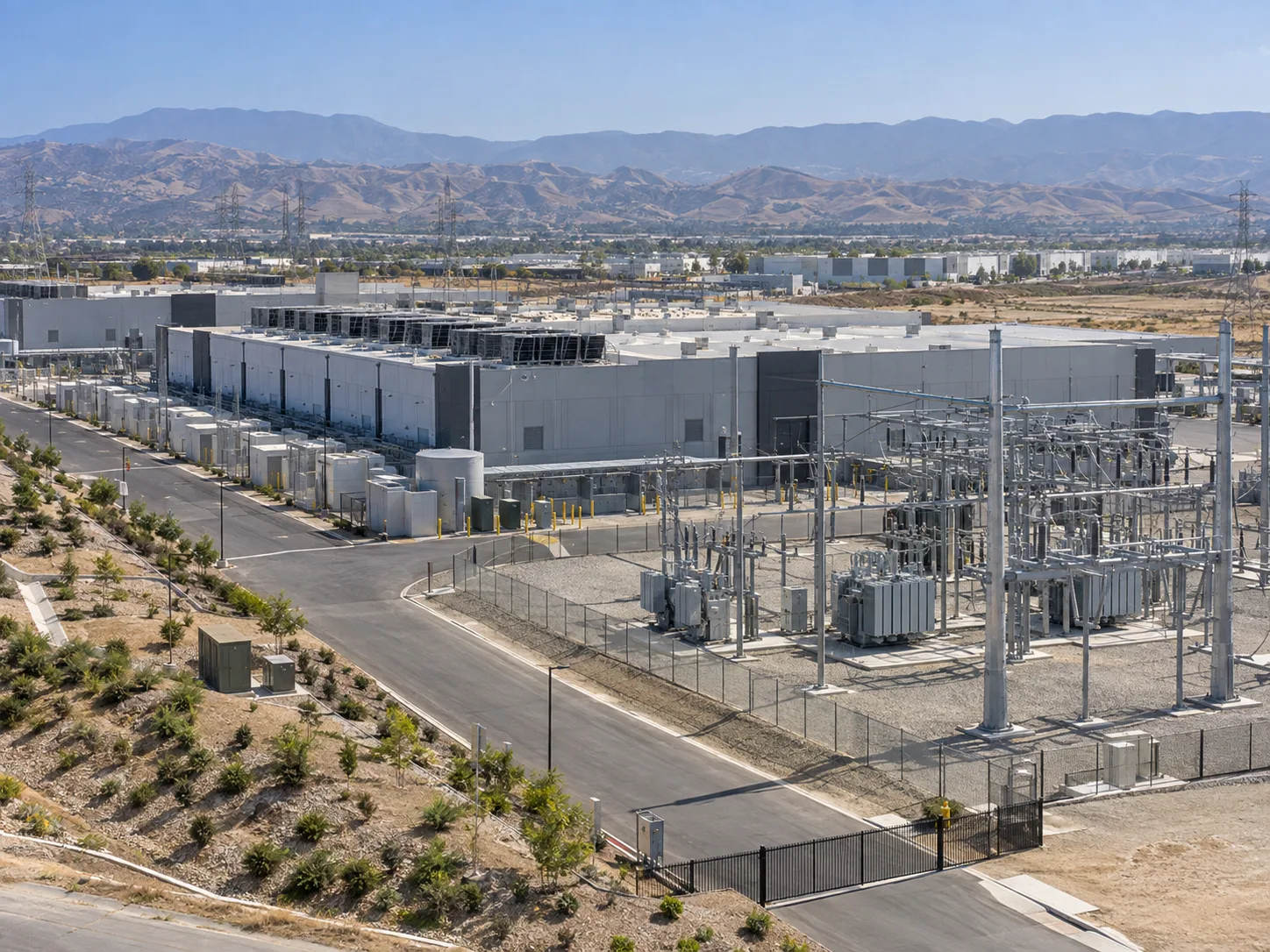
Brookfield Asset Management and NextEra Energy will transform the Department of Energy’s Paducah site into one of the world’s largest AI data center campuses. The Wall Street Journal first reported the project. The $100B private investment will convert a former uranium enrichment plant into a major AI hub.
The partnership includes Big Rivers Electric Power, Jackson Purchase Energy Cooperative, and Paducah Power System. Together, they combine capital, power, and local expertise. The project also brings hyperscale development to western Kentucky.
The campus plans a 1.8 GW utility footprint and 1.2 GW of compute capacity. Brookfield CEO Bruce Flatt said the model could shape future US infrastructure investments.
Get Smarter about what matters in CRE
Stay ahead of trends in commercial real estate with CRE Daily – the free newsletter delivering everything you need to start your day in just 5-minutes
From Cold War Relic to Digital Infrastructure Hub
The Paducah site once supported Cold War uranium enrichment. Now, it will serve as a center for AI infrastructure. The Department of Energy sought redevelopment proposals in late 2025. It later selected Brookfield to lease, develop, and operate the campus.
NextEra will build dedicated energy infrastructure for the project. It will add about 4.6 GW of new generation capacity. The campus alone will use that power. Meanwhile, local utilities will manage wholesale and retail distribution across the region.
The Details
The campus targets full operations by 2032. It will cover several million SF, although developers have not released final dimensions. At full buildout, it will support 1.8 GW of utility capacity and 1.2 GW of compute load.
NextEra expects to supply 4.6 GW through renewable and conventional generation. Big Rivers Electric Power will provide wholesale delivery. Jackson Purchase Energy Cooperative will manage retail distribution. Paducah Power System will support local operations.
Lease terms and revenue-sharing agreements remain under negotiation. The Wall Street Journal said the parties have not finalized definitive agreements.
Data Center Demand Drives Investment Surge
AI and cloud computing continue driving US data center demand. CBRE found absorption nearly doubled between 2024 and 2025. However, power availability remains the industry’s biggest constraint.
NextEra has already partnered with Google to expand power supplies for growing data center demand. The Kentucky campus extends that strategy through dedicated generation and coordinated utility support.
Why It Matters
The $100B Paducah project could reshape Kentucky’s economy and the US data center market. Hyperscale operators need reliable energy for expanding AI workloads. This project combines power generation, site control, and local partnerships in one strategy.
The model also expands the meaning of shovel-ready development. It unlocks federal land with purpose-built energy infrastructure. That approach could speed future AI campus projects.
The 2032 completion timeline reflects the industry’s long investment horizon. It also positions Kentucky as a new data center destination. Available land and supportive regulations strengthen its appeal.
Energy Secretary Chris Wright said protecting nearby communities from higher costs influenced the site’s selection. The dedicated 4.6 GW buildout also reduces pressure on existing public grids. Success here could encourage similar redevelopments at other Department of Energy sites.
What’s Next
The project now enters negotiations, permitting, and final documentation. Brookfield, NextEra, government agencies, and utility partners will finalize responsibilities and risk allocation. Construction and power generation will advance in phases before 2032.
If successful, the project could establish a template for future federal land developments. Developers may pair renewable energy, transmission, and hyperscale campuses from the start. The industry will closely watch execution, leasing, and power integration.