






- Developer Bob Zangrillo is reviving the $3B Magic City Innovation District in Miami’s Little Haiti, targeting AI and finance tenants.
- The 7.8M SF project includes an office campus, 2,600+ residential units, hotel, and retail anchored by Dragon Global and Plaza Equity Partners.
- This marks a major bet on Miami as a magnet for tech and asset management, leveraging incentives like Opportunity Zones and Special Area Plans.
Years in the Making for Miami Tech
According to Bloomberg, Bob Zangrillo, founder of Dragon Global, is reviving his long-stalled $3B mixed-use development in Miami’s Little Haiti neighborhood. The plan, now rebranded as the Magic City Innovation District, is being advanced with Plaza Equity Partners and aims to create a new epicenter for artificial intelligence, finance, and tech companies migrating to Miami. Zangrillo originally floated a similar project in 2012, assembling land and gaining city approval by 2019.
Interest in Miami among institutional and VC-backed tech firms has soared over the past five years. Palantir Technologies, Apple, and a growing roster of finance and crypto companies have planted or expanded offices in the area, encouraging backers like Zangrillo to reboot ambitious urban campus developments. The region’s Special Area Plan and Opportunity Zone incentives further sweeten the development calculus for large-scale projects.
Get Smarter about what matters in CRE
Stay ahead of trends in commercial real estate with CRE Daily – the free newsletter delivering everything you need to start your day in just 5-minutes
The Details
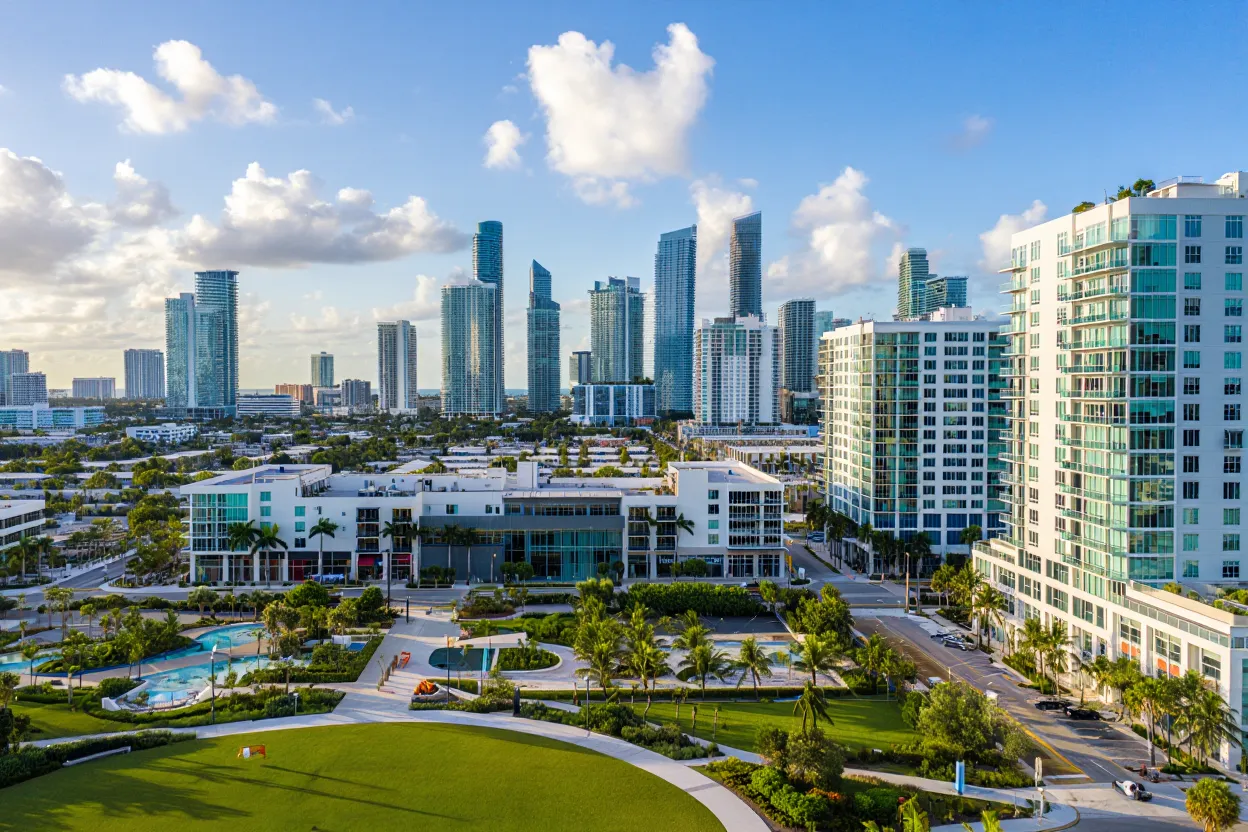
Magic City Innovation District spans 7.8M SF and will feature a 25-story tower with 349 rental apartments in its initial phase, an office campus anchored by Dragon Global, as well as residential towers totaling more than 2,600 units, a hotel, and retail. Construction is projected to exceed $3B.
According to Zangrillo, the campus is designed to appeal to a mix of AI startups, asset managers, and VCs. Anthony Orso of Newmark has been tapped to lead district marketing. Importantly, Zangrillo notes that the project avoided displacing current tenants in its land acquisition—an effort to preempt the gentrification criticisms that have dogged the project for years.
Betting on Miami’s Tech Magnetism
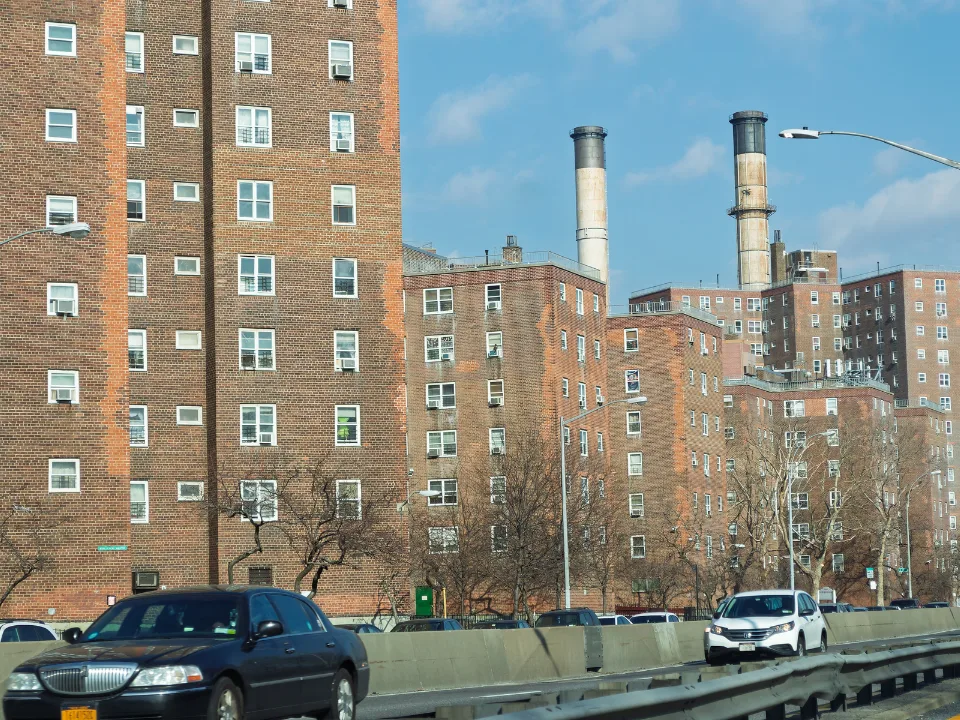
The Magic City site sits within a federally designated Opportunity Zone and carries a Special Area Plan designation, two factors that made similar mega-developments feasible in Brickell and Wynwood. Little Haiti has rapidly gentrified since 2012, supporting upscale housing and retail driven by Miami’s tech and finance influx.
This mirrors Miami’s broader repositioning as a hub for new-economy tenants: Palantir Technologies moved its HQ to Miami in early 2026, while Apple and crypto heavyweight Gemini have expanded local presence within the last three years. The district’s bet is that migration momentum and long-term tax advantages will keep capital flowing in.
Why It Matters
Renewed investment in Miami’s Little Haiti shows how tech migration is reshaping historically working-class neighborhoods. AI is also pushing veteran CRE dealmakers to build advisory platforms around data-driven tools. Zangrillo’s plan tracks with strong demand data. JLL says office vacancies in prime Miami corridors have stayed below 15% since 2023. Meanwhile, residential absorption has remained positive despite broader US multifamily headwinds.
The project’s Opportunity Zone status should also help attract capital. The federal program, created in 2017, can defer or eliminate capital gains taxes. That incentive can catalyze major projects. However, it can also sharpen concerns about displacement and affordability.
Zangrillo’s public legal controversy stalled the project after the 2019 “Operation Varsity Blues” scandal. However, his 2021 presidential pardon allowed the plan to move forward. Since then, Dragon Global has tried to ease community resistance. It committed $31M to the Little Haiti Revitalization Trust.
Together, community commitments and market incentives place Miami at a key urban turning point. The city’s evolving economic base adds further momentum. If Magic City succeeds, it could become a template for tech-anchored placemaking nationwide.
What’s Next
With Newmark leading marketing and site plan approvals in place since 2019, Zangrillo and Plaza Equity are expected to break ground on the first phase—a 25-story residential tower and an AI-focused office campus—within the next 12 months. The project pipeline, enabled by Opportunity Zone tax perks and Special Area Plan leeway, remains substantial.
Community pushback around gentrification and affordability is likely to persist, but $31M earmarked for local benefit may head off the most acute opposition. Watch for tenant pre-leasing activity among AI, VC, and asset management firms as Miami’s tech migration narrative keeps gaining traction.