



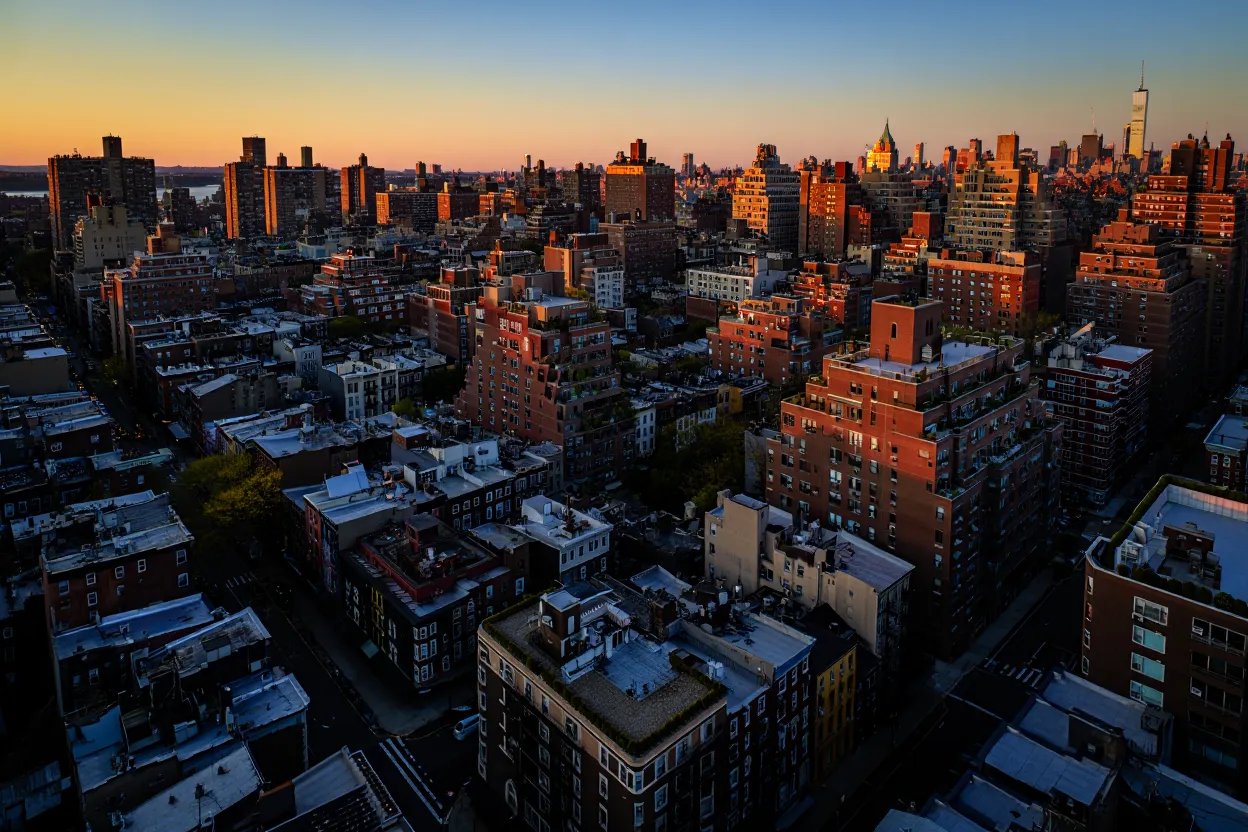
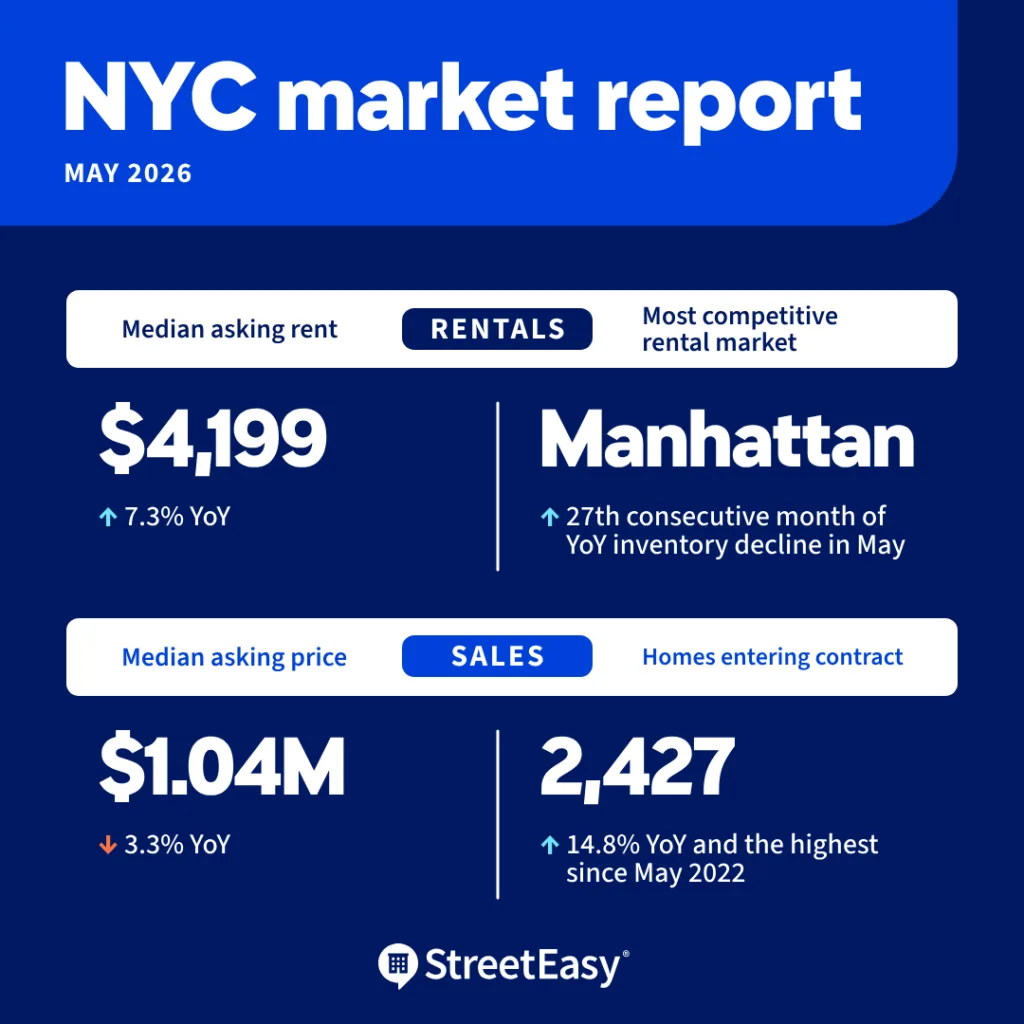
- NYC’s chronic housing shortage remains the primary driver behind rent growth, with median asking rent up 7.3% year-over-year to $4,199 in May 2026.
- The FARE Act eased upfront costs for renters but was linked to just a 1.1% increase in average asking rents among broker-represented listings.
- Buyer demand in NYC has stayed resilient, with home contracts hitting a four-year high despite national headwinds from rising mortgage rates.
Decades of Undersupply Shape the Market
One year after the FARE Act took effect, StreetEasy’s May 2026 market report finds NYC’s persistent housing shortage remains the largest factor in rent escalation. The Wall Street Journal reports that the metro area faces a deficit of over 400,000 homes, outpacing shortfalls in Chicago, Boston, and San Francisco. Despite recent housing production running ahead of prior years, demand outstrips new supply, especially as mortgage rates keep buyers in the rental market. As a result, longstanding supply constraints drive record-high rent growth, with limited inventory across all boroughs continuing a pattern that predates both the pandemic and this recent policy shift.
Get Smarter About What Matters in New York
Subscribe to our free newsletter covering the biggest commercial real estate stories across the five boroughs — delivered in just 5 minutes.
The Details
According to StreetEasy, the FARE Act took effect in June 2025. It made brokers’ fees optional for renters unless renters hire brokers directly. It also required up-front disclosure of all listing fees. The policy followed earlier broker-fee reform efforts that shifted more rental costs back onto landlords. StreetEasy found a muted pricing impact after controlling for market trends, seasonality, and property specifics. The law raised average asking rents by 1.1% for broker-represented rentals. That equals about $46 more per month.
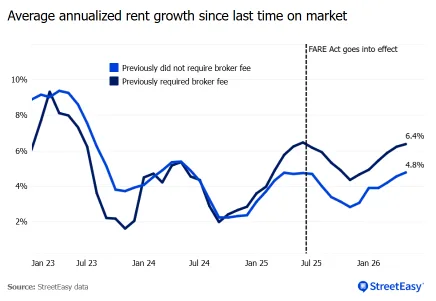
However, renters who avoided broker fees saved an average $5,862 upfront. As of May 2026, citywide median asking rent hit $4,199. That marked a 7.3% year-over-year increase. Meanwhile, rental inventory fell 10.7% to 33,064 listings.
Rent Growth Outpaces Modest Policy Effects
Inventory shortages continue to set the pace for NYC rent growth. Manhattan rental availability dropped by 13.0% to 15,489 units in May, stretching a 27-month streak of annual inventory decline—the longest since StreetEasy began tracking.
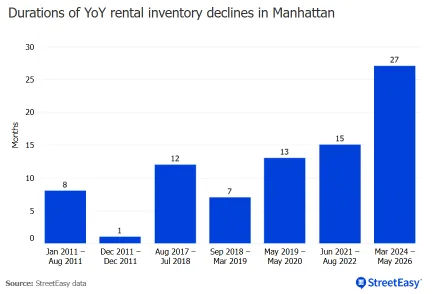
Brooklyn and Queens followed with 7.3% and 11.2% annual inventory drops, respectively. The effects are most severe in Manhattan, where the average listing received 69.8% more inquiries than in May 2019, and median asking rent reached $4,927. Though the FARE Act reduced upfront costs, the 1.1% rent bump among affected listings pales in comparison to the persistent upward pressure from a market starved for supply.
Why It Matters
For renters, the stakes remain high. Although the FARE Act helps avoid hefty broker fees, those savings are quickly offset by elevated rents caused by supply-demand imbalance. StreetEasy finds the citywide median asking rent climbed to a historic high, and renters face 63.6% more competition for available units than pre-pandemic. According to Zillow research, closing the metro’s 400,000-unit housing gap would require a sustained surge in housing production—far surpassing recent gains. Restrictive zoning, protracted approval timelines, and high construction costs continue to impede meaningful progress. While local reforms have increased supply in some neighborhoods, citywide relief remains elusive.
The sales market also highlights the complex effects of a tight housing scene. In May, 2,427 homes went into contract, a 14.8% year-over-year jump and the highest level seen in four years. Manhattan and Brooklyn saw double-digit increases in contracts and high sales close-to-asking price, especially in Brooklyn, where the median sale was 98.5% of the latest list price. Rising mortgage rates have sidelined some would-be buyers, keeping demand strong in the rental market, even as home sales outperformed the cooling national trend.
What’s Next
The path forward for New York City’s rental market will depend on its capacity to unlock new supply. Policy responses like further zoning reforms and streamlined approvals are on the table, but persistent regulatory and construction headwinds stand in the way of rapid progress. With mortgage rates hovering near 6.5%, buyers may remain hesitant, sustaining competitive pressure on rentals. In the near term, renters should brace for continued low vacancy and high rent growth, while policymakers look for durable solutions to ease the city’s decades-long housing shortage.