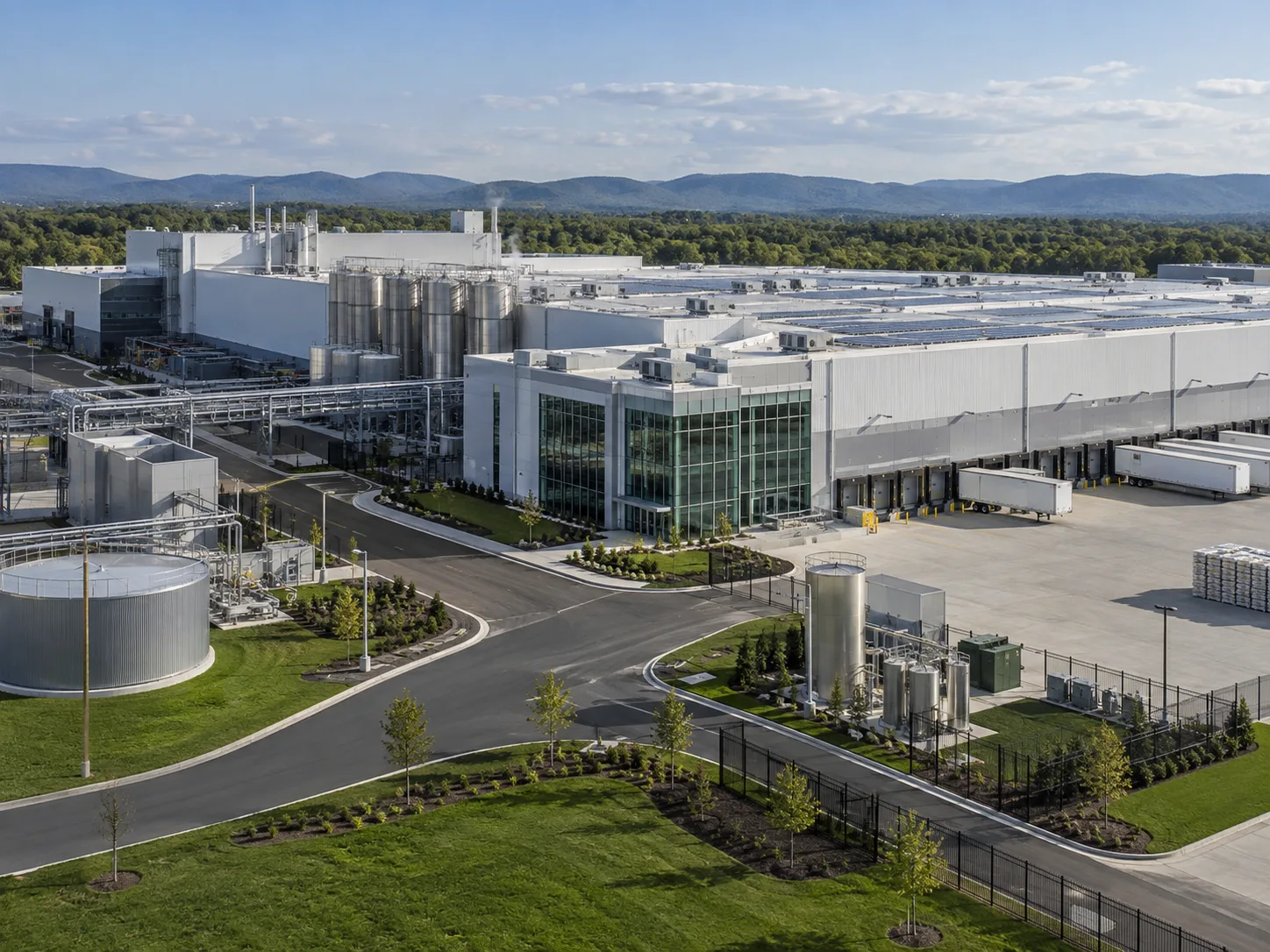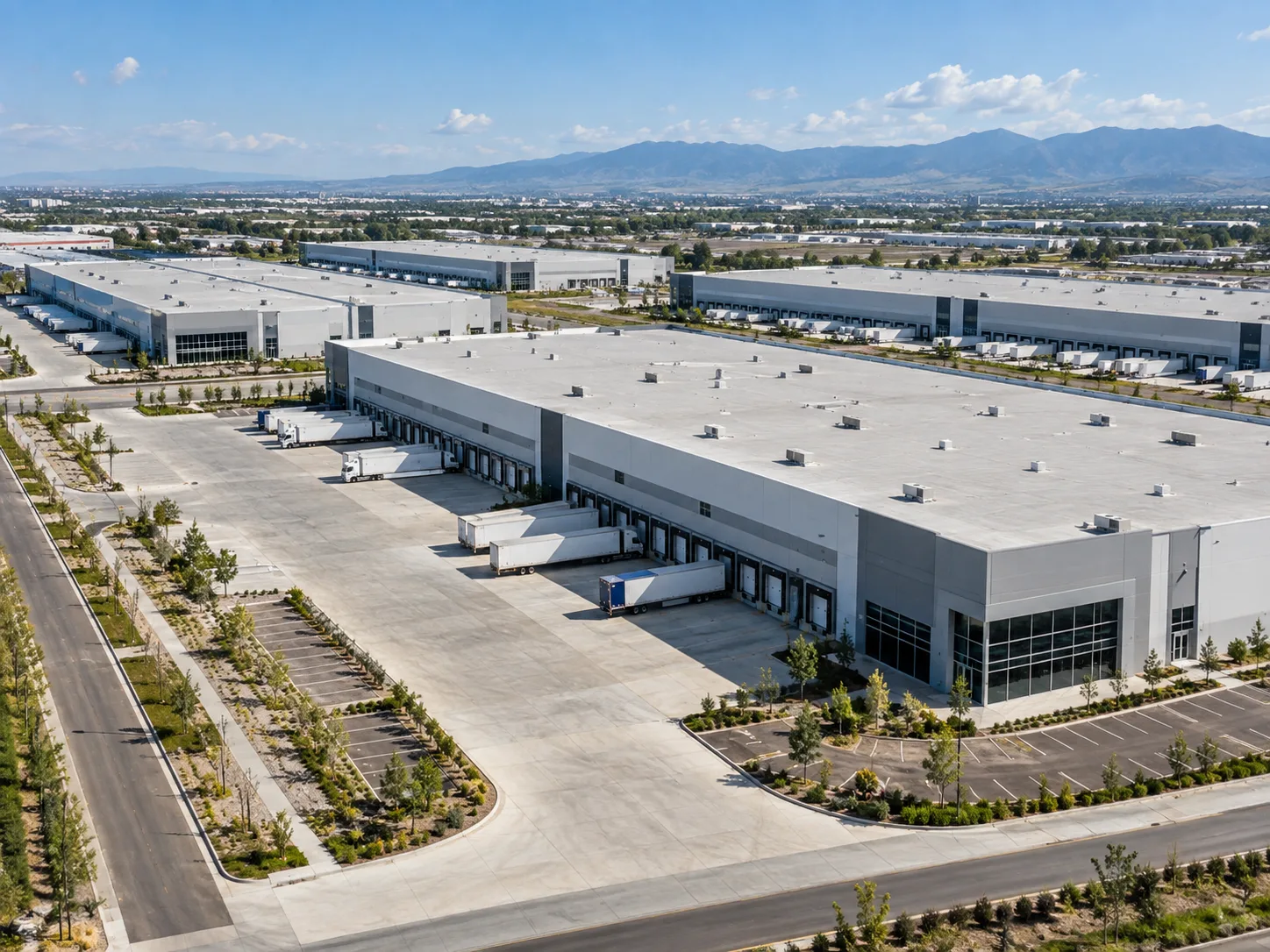





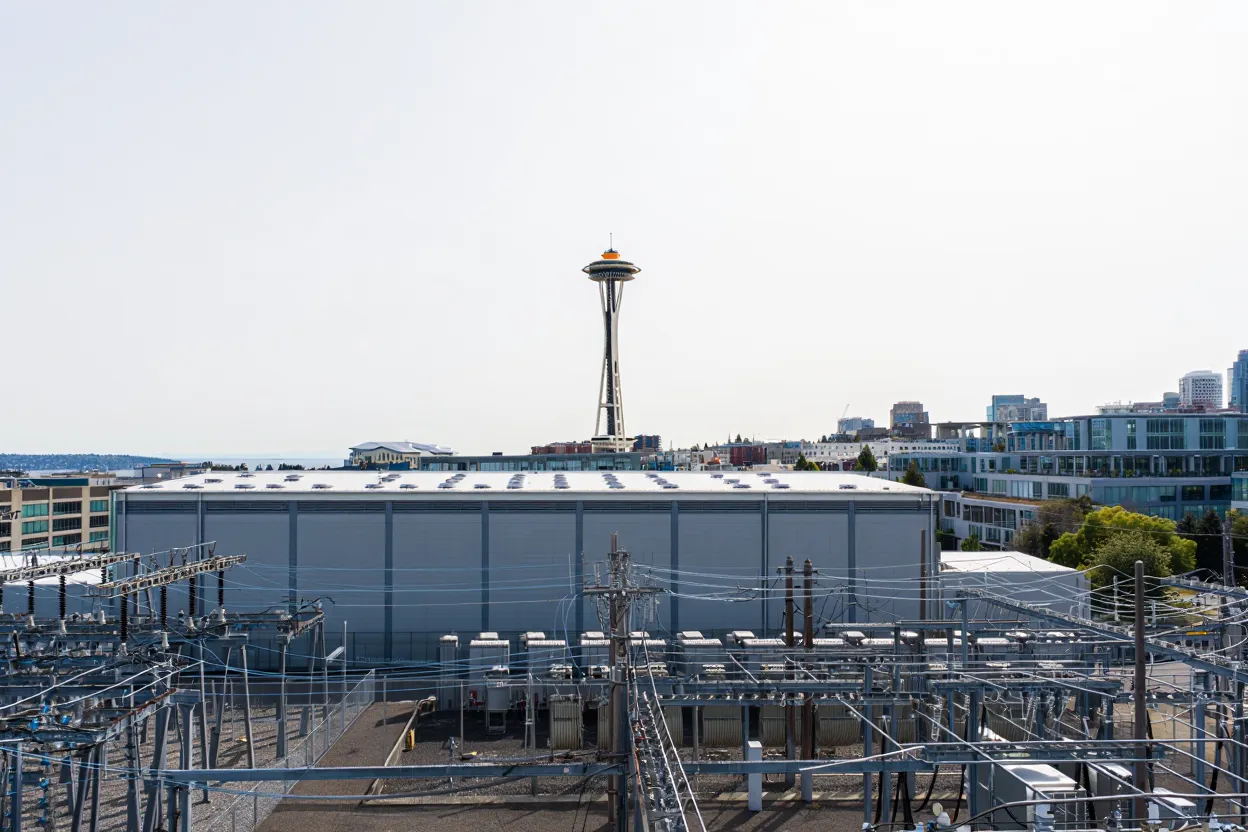
- Seattle is enacting a moratorium on data centers over 20 megavolt-amperes, putting the city on track to become the largest US municipality with such a ban.
- The move reflects growing local and national concerns over the electric and water consumption of large-scale AI data infrastructure.
- This signals escalating tensions nationwide as regulators and communities push back against the development pace of mega data centers from major tech firms.
Community Blowback Drives Emergency Ban
Seattle is set to pass an emergency ban on new large-scale data centers, per CoStar News. Mayor Katie Wilson announced support for a city council measure that halts construction of any facility requiring more than 20 megavolt-amperes—roughly equal to 20 megawatts, the amount needed to power 20,000 homes. That threshold effectively targets hyperscale and AI-driven campuses, not smaller colocation sites. Amazon, Seattle’s leading employer, has no operating or planned data centers in the city limits, though it operates several in outlying areas across Washington. Officials say the move comes after years of rising utility costs and mounting community pressure, reflecting anxieties seen in cities nationwide as AI’s demands spike energy usage far beyond traditional office or industrial norms.
This temporary ban, passed unanimously by the council and set for immediate effect once signed, would make Seattle the largest US city to institute a data center moratorium. Denver and Minneapolis have recently enacted similar policies, while smaller municipalities and counties from Ohio to Connecticut are evaluating or extending their own bans. Community resistance is now colliding with tech’s infrastructure ambitions in some of the nation’s top innovation hubs.
Get Smarter about what matters in CRE
Stay ahead of trends in commercial real estate with CRE Daily – the free newsletter delivering everything you need to start your day in just 5-minutes
Emergency Legislation Targets High-Load Facilities
Officials cited intense public engagement, reporting “tens of thousands of messages” from residents about rising utility bills and environmental impacts linked to massive AI-powered developments. Councilmember Eddie Lin, who co-sponsored the freeze, argued that large AI data centers “drive up utility costs while creating air, water, and noise pollution.” The measure leaves smaller data processing sites, such as those supporting local hospitals, universities, or emergency services, unaffected.
Seattle’s action comes as developers reportedly approached City Light, the local utility, with plans for five data centers demanding a combined 369 megawatts—about a third of the city’s average daily energy use. Technology-sector employees, including some from Amazon, spoke in support of the pause, seeking more equitable and sustainable AI and data center policy development. Mayor Wilson pledged to work on long-term solutions with both industry and local advocacy groups, focused on balancing infrastructure needs with ratepayer protections.
National Crackdown and Local Precedents
The Seattle move fits a broader national drive for tighter oversight. States such as Ohio have begun rolling back tax incentives for data center developers, and recent votes in Monterey Park, CA, resulted in what’s believed to be the first permanent municipal ban via ballot initiative. In Texas, Governor Greg Abbott just directed state agencies to mandate that data center operators fully fund their required power infrastructure, citing threats to residential electricity affordability. Other counties—including DeKalb outside Atlanta—are extending or introducing their own development freezes into the fall.
Last week, leaders in West Haven, CT, implemented a one-year ban, and industry observers see a spreading pattern as AI-driven demand collides with infrastructure bottlenecks. The debate also reflects broader competition for infrastructure investment, as other property sectors attracted billions in capital recently despite ongoing economic uncertainty. Meanwhile, tech giants like Amazon, Microsoft, Alphabet, and Meta are spending hundreds of billions of dollars in 2026 alone on new AI-linked capacity, placing added strain on local systems.
Why It Matters
Seattle’s moratorium places the city at the epicenter of the national reckoning over the costs and benefits of AI infrastructure expansion. As of mid-2026, AI’s exponential demand for data processing has intensified scrutiny on the impact of hyperscale data centers, which can use as much electricity as tens of thousands of homes. According to the US Department of Energy, typical large data center energy consumption has doubled over the past five years, with AI development further accelerating demand spikes in major metropolitan areas.
For CRE and tech investors, this local resistance has added urgency—potentially complicating site selection, investment underwriting, and the calculus on utility partnerships. With over 2,300 AI-scale data centers estimated nationwide (per CBRE’s 2026 sector report), jurisdiction-level moratoriums could slow or redirect billions in near-term development. They may also lead to clustering in lower-population, resource-rich, or more predictably regulated regions, placing new long-term pressure on legacy data center hubs.
At the same time, community-led measures give policymakers new bargaining power on infrastructure cost-sharing, water allocation, and environmental stewardship—so future projects may face tougher conditions or direct ratepayer protections before they break ground. For some markets, this could limit the ability to capture associated jobs, tax streams, or tech investment, even as national demand shows no sign of abating.
What’s Next
Seattle’s moratorium will take effect immediately when signed and is likely to spark similar conversations in other tech-driven cities—and potentially more permanent legislation if community pushback persists. Mayor Wilson and council leaders indicated plans to collaborate on longer-term rules that weigh both infrastructure growth and resident utility impacts.
With state and federal regulators also moving to tighten controls, data center developers may confront steeper regulatory hurdles, additional infrastructure surcharges, or outright relocations when evaluating new sites. Expect to see developers pivot toward neighboring suburbs, less restrictive counties, or seek early partnerships with utilities willing to invest in shared capacity upgrades. The evolution of these rules will be closely watched across CRE, utilities, and technology sectors given their impact on regional investment and jobs pipelines.