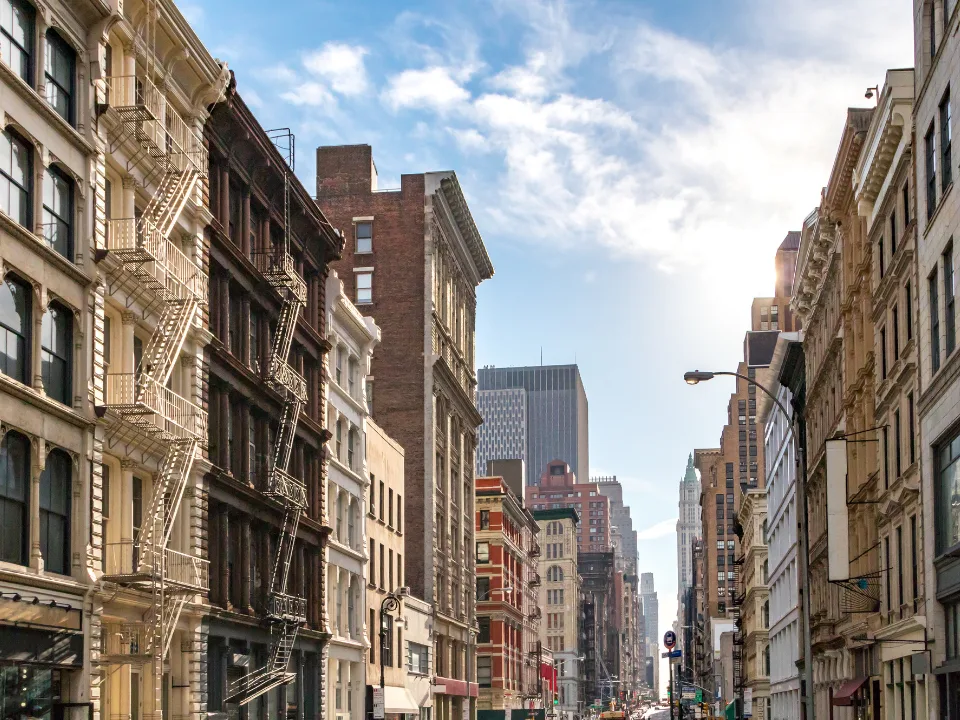





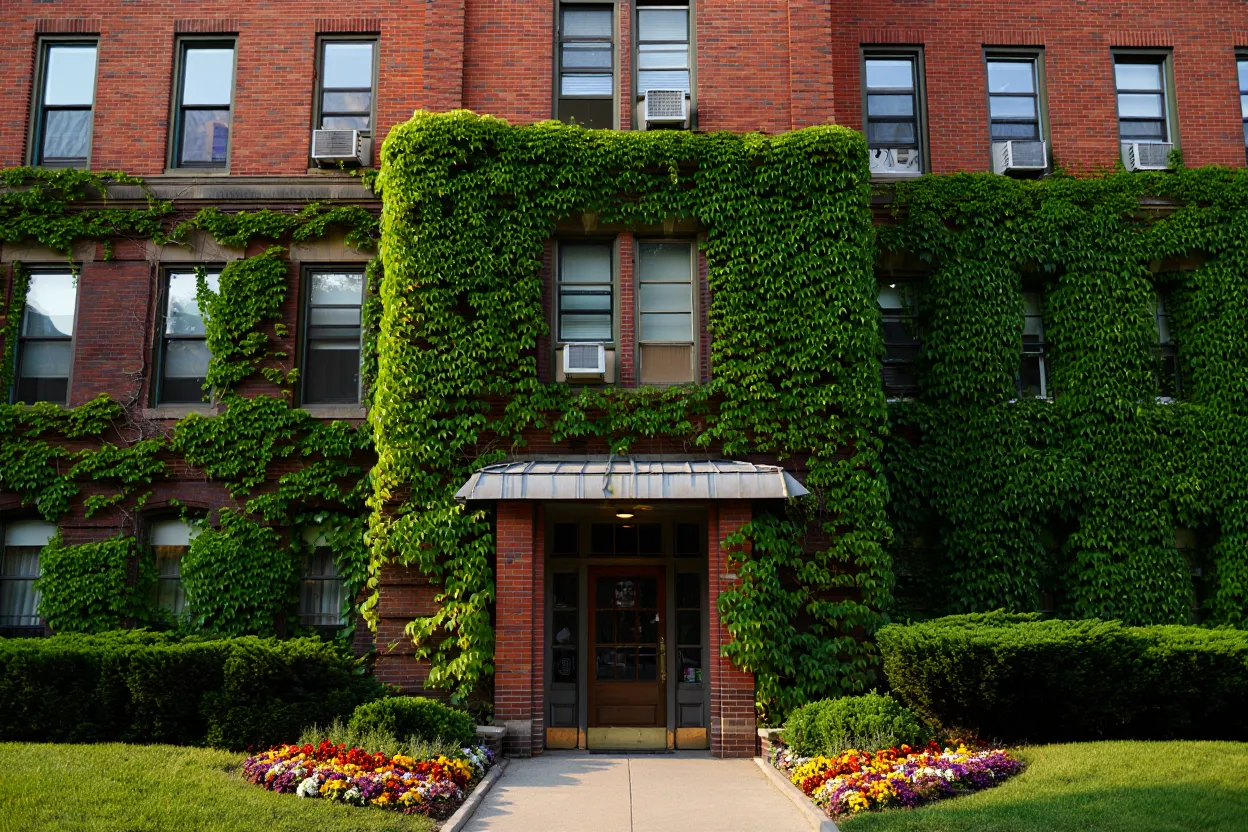
- Surging Manhattan rent is driving young professionals to unconventional housing options, including convents and nonprofit-run boarding houses.
- These residences offer all-inclusive pricing between $580 and $1,650 per month, far below the area’s median asking rent of $3,616.
- Demand for these limited spaces has led to waitlists, signaling a broader affordability problem in New York City’s rental market.
Affordable Alternatives in a Tight Market
New Yorkers facing soaring apartment costs are increasingly turning to convents and traditional boarding houses for a place to live. According to The Wall Street Journal, young professionals—many new to the city—are seeking rooms operated by nuns, religious groups, or nonprofits as median rents in Manhattan reached $3,616 in Q1 2024, up 20% from pre-pandemic levels per Realtor.com. These faith-based or mission-driven residences provide critical housing relief in a city where starting salaries often fail to keep pace with market rents. For those priced out of the mainstream rental market, these unconventional housing options are offering both value and community at a fraction of typical short-term lease prices.
The revival of such residences underscores both a modern affordability crisis and a return to a model once common in New York. Boarding houses run by religious orders flourished in the early 20th century but steadily disappeared due to high upkeep costs, dwindling membership, and, more recently, pandemic pressures. Their resurgence shows just how acute the city’s rental woes have become.
Get Smarter about what matters in CRE
Stay ahead of trends in commercial real estate with CRE Daily – the free newsletter delivering everything you need to start your day in just 5-minutes
Revisiting a Century-Old Housing Model
The convent- and nonprofit-run housing model dates back to the early 1900s, when dozens of organizations across New York operated boarding houses to shelter young arrivals. Today, only a handful remain. These buildings, like Centro Maria in the Bronx and St. Agnes Residence on the Upper West Side, typically offer single rooms, communal kitchens, and shared baths.
Some still enforce curfews or rules on overnight guests and alcohol, but they provide stability, safety, and a built-in sense of community. Rules are generally less strict than decades ago, and most houses accept non-Christian residents without religious requirements. Demand for these spaces has intensified: with only a limited number of beds, waitlists can stretch for months, particularly for residences in Manhattan and the Bronx.
The Details
At Sacred Heart Residence in Chelsea, rents stood at $1,650 per month, while a bed at St. Mary’s on the Upper East Side ran $1,200—a dramatic discount versus typical furnished short-term Manhattan rentals at $5,000. Other options include St. Agnes Residence at $950 and Centro Maria at $800, both of which are all-inclusive, bundling utilities, Wi-Fi, and meals.
Some alternatives, like Kolping House on the Upper West Side, accommodate both men and women and waive curfews, though most houses run by nuns do not. Menno House in Gramercy offers the city’s lowest price point at $580 a month for its smallest room. Across all locations, residents are drawn by the stability of no annual lease, safety, and amenities like group dinners and cleaning. Most occupancy is short-term, with stays ranging from several weeks to over a year, depending on availability and resident needs.
Waitlists Get Longer as Affordability Squeezes Persist
Demand for convent and nonprofit residence housing has surged to levels unseen in decades. With the median asking rent in Manhattan at $3,616 according to Realtor.com, competition for affordable all-inclusive housing is intense. Even as destinations like Sacred Heart shut down, the handful of remaining houses maintain waiting lists that span months.
Residents report that the sense of community—from shared meals to emotional support and mentorship—sets these houses apart, supplementing their affordability in a market often marked by high turnover and isolation. The amenities, strict rules, and communal atmosphere contrast sharply with New York’s apartment sublet or roommate options, which now frequently exceed $2,000 per month for a single room in Manhattan.
Why It Matters
The trend of young professionals—and even older residents—seeking refuge in religious and nonprofit-run boarding houses underscores a deeper challenge in New York City housing. With market rents hitting new highs and wage growth failing to keep pace, the growing interest in these unconventional residences signals a shortfall in genuinely affordable options for the city’s workforce. According to Realtor.com, the citywide median asking rent is up 20% versus pre-2020 levels, with entry-level salaries lagging far behind, putting traditional apartments out of reach for many newcomers.
This mismatch is exposing the limits of New York’s current affordable housing pipeline, especially for singles and those needing short-term accommodations without year-long commitments. The pressure is unlikely to ease soon, as apartment construction in the city has slowed sharply despite a deep housing shortage and continued demand growth. For the small number of convents and charity-run residences left, increased demand has stretched their resources and threatened their continued operation, as concerns about rising overhead and diminishing active religious orders persist. At the same time, their popularity highlights persistent demand for secure, community-oriented housing outside the mainstream rental sector.
The all-inclusive, no-lease approach—room, board, utilities, and even emotional support—fills a need rarely met by private landlords or conventional multifamily development. As public and private sector leaders evaluate the future of affordability in New York, the growing popularity of these century-old models may prompt broader discussions about alternative ways to house and retain essential workers and newcomers in the city.
What’s Next
With waiting lists for convent and nonprofit-run boarding houses at capacity and the closure of some facilities such as Sacred Heart in Chelsea, supply remains dwarfed by demand. Unless market rents return to more sustainable levels or the city incentivizes new development of similarly affordable, short-term housing, the competitive pressure will likely intensify.
Watch for increased calls from advocacy groups to preserve, renovate, or replicate these hybrid models, as well as efforts by religious and charitable organizations to sustain or expand existing properties. As affordability remains front and center in New York’s policymaking and development conversations, these unconventional residences will be a key indicator of whether the market can adapt to meet the needs of its changing population.