



- Summit Properties will not collect back rent from tenants in 5,000+ rent-stabilized apartments following its bankruptcy acquisition.
- The decision comes after significant tenant unrest, hazardous living conditions, and city intervention in the sale and oversight of the portfolio.
- This move may set a precedent for distressed multifamily assets across New York, as investor risk and tenant activism reshape the landscape.
Tenant Activism Pressures New Landlord
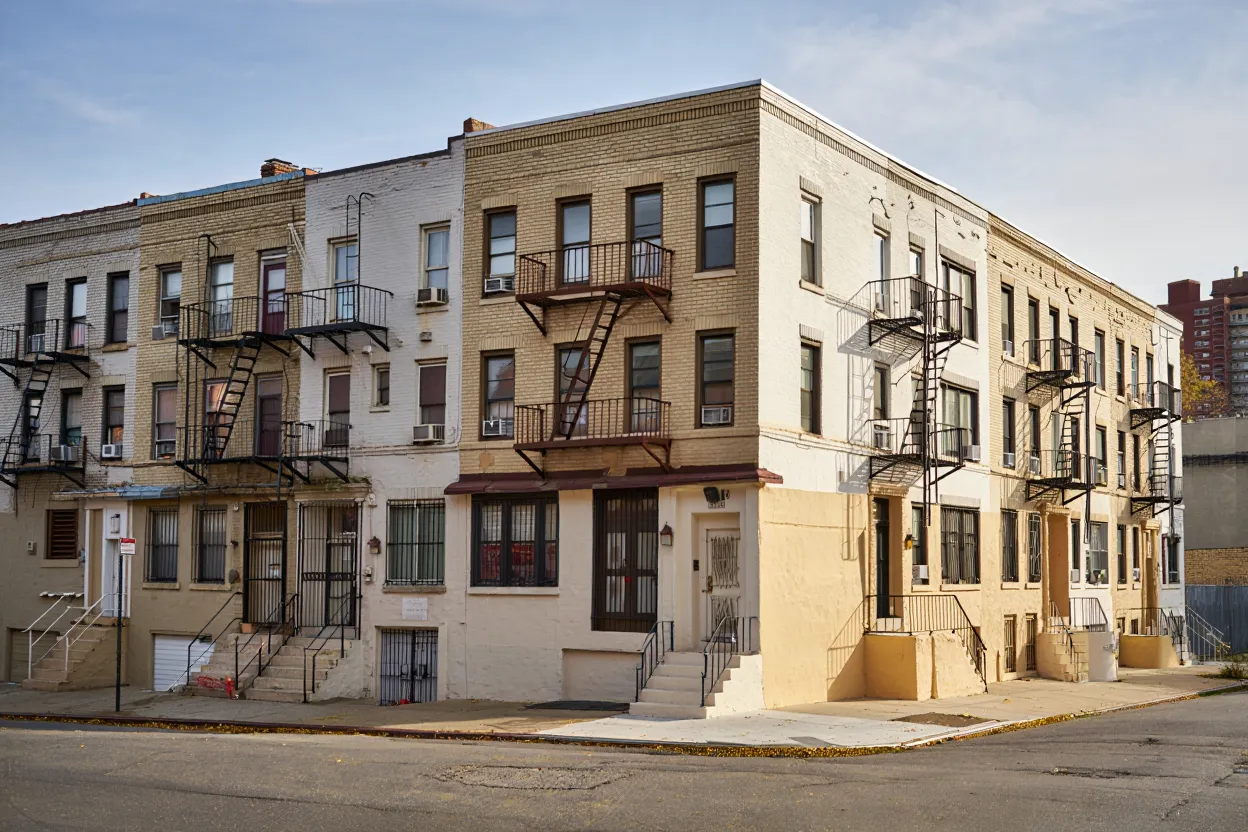
Summit Properties USA’s pledge to waive past rent arrears marks a rare victory for tenants in New York’s often-contentious multifamily sector. Bisnow reports that after acquiring a 93-building, rent-stabilized portfolio from Pinnacle Group out of bankruptcy earlier this year, Summit agreed not to pursue millions in unpaid rent from over 5,000 tenants. The Union of Pinnacle Tenants (UPT) had made rent forgiveness a key demand, following years of rent strikes and legal battles due to dangerous living conditions and unresolved violations.
This decision is notable given the scale of the arrears and the unique scale of city and tenant group involvement, with UPT coordinating closely with NYC agencies and receiving explicit backing from Mayor Zohran Mamdani’s administration. Pinnacle’s legacy of eviction lawsuits and regulatory violations had fueled skepticism about any new buyer’s ability to both collect rent and stabilize operations on such a challenging portfolio.
Get Smarter About What Matters in New York
Subscribe to our free newsletter covering the biggest commercial real estate stories across the five boroughs — delivered in just 5 minutes.
The Details
Summit’s portfolio covers four boroughs across 93 buildings, encompassing more than 5,000 rent-stabilized apartments. The company acquired these assets earlier this year in a bankruptcy sale after Joel Wiener’s Pinnacle Group defaulted, citing the impact of rent laws and poor rent collections. In the five years leading up to the sale, over 2,500 nonpayment eviction lawsuits had been filed in these buildings. While it remains unclear exactly how much Summit will forgo, tenant advocates and analysts put the waived arrears in the millions. As of the bankruptcy process, the portfolio had amassed more than 12,500 open housing violations. Summit reports that it has now remediated more than half of the 6,400 violations present during its takeover and has committed at least $30M in capital improvements, with $10M expected to be spent in the first year.
Pinnacle Bankruptcy Sparks Political and Market Scrutiny
Hazardous conditions and the bankruptcy’s scale drew citywide attention. City officials and tenant groups quickly mobilized. Mayor Mamdani made tenant concerns at Pinnacle properties a priority on his first day in office. He personally visited affected buildings. The administration challenged the bankruptcy process. Officials questioned Summit’s ties to prior ownership and its experience level. However, the court approved the sale.
Meanwhile, UPT pushed for greater accountability. Support from City Hall and local reporting strengthened its efforts. The group secured rent arrears forgiveness demands and established a direct channel for reporting violations.
Why It Matters
Summit’s decision to forgive millions in unpaid rent could reshape distressed rent-stabilized housing management in New York. Large-scale arrears forgiveness remains rare. Owners typically pursue collections or buyouts instead.
According to The Real Deal, New York’s affordable multifamily sector has faced growing volatility since the 2019 Housing Stability and Tenant Protection Act. The law made deregulation far more difficult. As a result, traditional value-add strategies weakened and profit margins tightened. The former Pinnacle portfolio highlights the risks of deferred investment and poor compliance. More than 12,500 violations and 2,500 eviction cases deepened tenant mistrust and accelerated property deterioration. Those concerns also surfaced during the bankruptcy auction, when officials and tenant advocates closely examined the buyer’s background and management experience.
Civic oversight is also increasing in large distressed deals. City agencies, the Mayor’s Office, and tenant groups now play larger roles. UPT and similar organizations use new city channels to report violations and demand accountability. Their approach could become a model across the sector. For landlords, social, legal, and reputational risks now carry direct financial consequences. Growing tenant influence can shape outcomes after bankruptcy. Summit’s $30M capital plan and repair efforts are as important as rent collections. Failure to stabilize the buildings could damage the firm’s reputation and invite greater regulatory scrutiny.
What’s Next
Summit’s agreement may influence future workouts and sales of large rent-stabilized portfolios citywide, as owners face mounting pressure from tenants and regulators to forgive arrears linked to inherited violations or unsafe conditions. The company’s five-year, $30M capital plan will be closely scrutinized by tenant advocates and city officials alike. Tenant groups expect ongoing involvement in property oversight, and any backsliding on repairs or tenant relations could renew city intervention. Market analysts will be watching to see whether Summit’s approach stabilizes rents and collections, serving as a model — or a warning — for investors in distressed multifamily assets.