




- Blackstone Real Estate Debt Strategies provided $525M in industrial outdoor storage loans to Alterra IOS and Catalyst Investment Partners.
- The two loans cover 114 IOS properties and introduce new lending structures, highlighting increased institutional focus on the asset class.
- The rapid deployment of capital underscores growing investor conviction in IOS’s demand drivers and limited new supply nationwide.
Institutional Capital Accelerates in IOS
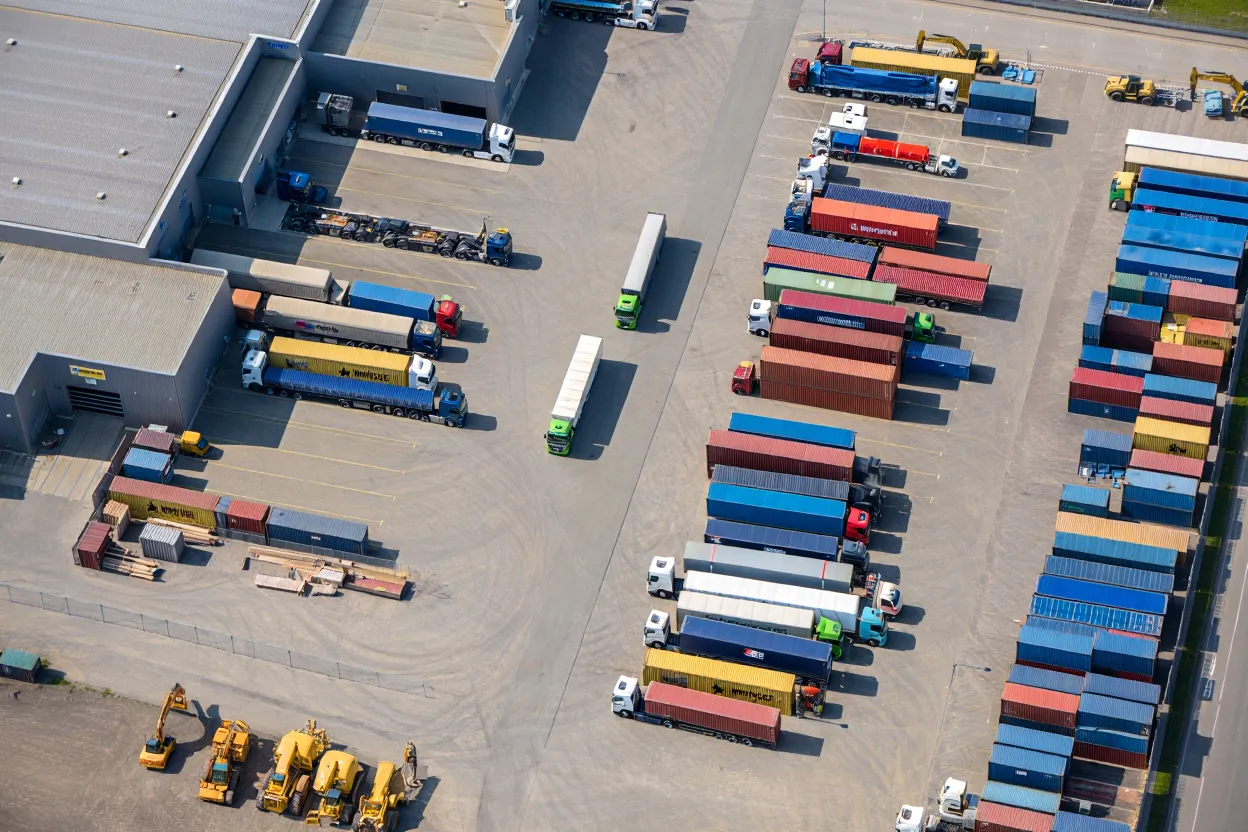
Blackstone is deepening its bet on industrial outdoor storage, with Blackstone Real Estate Debt Strategies (BREDS) committing more than $525M in new lending to the sector in just one week, according to CoStar News. BREDS originated a $244M loan to Philadelphia-based Alterra IOS and backed $281M in financing for Catalyst Investment Partners out of New York. Both deals finance large platforms focused on paving, parking, and equipment storage facilities—a segment long considered too fragmented for institutional capital. Together, the debt funds 114 properties in critical logistics corridors and urban-adjacent locations across dozens of US markets.
The loans arrive as the asset class gains recognition for its resistance to new supply and robust user demand, attracting more major CRE debt and equity investors. With logistics operators and e-commerce fueling warehousing and truck parking needs, capital is flowing to consolidate formerly mom-and-pop IOS footprints nationwide.
Get Smarter about what matters in CRE
Stay ahead of trends in commercial real estate with CRE Daily – the free newsletter delivering everything you need to start your day in just 5-minutes
New Lending Structures Emerge
Until recently, the industrial outdoor storage (IOS) sector comprised smaller, locally owned yards serving trucking, equipment rental, and shipping users. Blackstone’s recent move marks not just a scale increase—for BREDS, the $244M Alterra transaction brings its total IOS lending exposure above $1.1 billion—but an evolution in deal structure. Alterra’s financing used an equity pledge rather than a traditional mortgage, enabling non-recourse, institutionally suitable lending. According to Alterra, the $244M initial loan is secured by 37 properties spanning 27 markets, encompassing 165 acres and more than 800,000 SF of warehousing across Florida, Georgia, Indiana, Maryland, North Carolina, and Virginia, with capacity for future acquisitions.
Catalyst’s $281M financing, which included BREDS and J.P. Morgan Asset Management as backers, covers 77 properties in supply-constrained markets like Northern New Jersey, Miami, and Washington, D.C. The J.P. Morgan component marks its first dedicated IOS-backed loan, signaling growing mainstream finance acceptance of the property type.
IOS Attracts Institutional Scale
BREDS’s rapid-fire deployment comes amid heightened investor appetite for IOS, where operators like Alterra have amassed portfolios exceeding 470 sites in 39 states. Catalyst, which closed its third IOS-dedicated fund in February at $400M per CoStar News, now manages over 1,000 properties with assets on track to reach 250 sites by 2027. Growing portfolios and tenant diversity—ranging from equipment rental to e-commerce—highlight how the IOS sector is moving beyond its fragmented roots.
This institutionalization is also reflected in deal structure innovation, longer-term capital commitments, and cross-market lending partnerships, like J.P. Morgan’s new exposure. The market’s high barriers to entry, fueled by regulatory restrictions and costly land use entitlements near urban hubs, are further drawing big-ticket investors seeking yield and stability amid CRE market recalibration.
Why It Matters
The back-to-back financings totaled $525M in one week. They signal Blackstone’s conviction and a broader shift for industrial outdoor storage. Once overlooked and highly fragmented, IOS now attracts institutional capital. E-commerce growth, last-mile logistics needs, and supply constraints support the sector. Rising data center development has also increased demand for nearby storage yards that support construction, equipment staging, and utility operations. Blackstone’s Tony LaBarbera cited limited new supply and strong demand drivers. Those factors have fueled rent growth, stable occupancy, and lower vacancies in land-constrained markets. Alterra’s portfolio spans more than 165 acres and includes warehouse components. The mix offers flexibility for logistics operators and transitional tenants.
CBRE and other brokers have reported stronger institutional demand for IOS portfolios since 2025. Meanwhile, investors and operators continue to pursue aggregation strategies. New lending structures, including Alterra’s non-recourse equity pledge model, have widened access to capital. Credit funds, life insurers, and traditional banks now participate more actively. If rent growth and demand remain strong, IOS could see yield compression and securitization in the next credit cycle.
What’s Next
The next test for the sector will be scaling and operationalizing these platforms across increasingly competitive metros. Alterra, having raised $1.8 billion in platform capital and $1.45 billion in fund equity, is poised for ongoing pipeline expansion using new hybrid debt vehicles. Catalyst, managing over $1 billion in assets and aiming for 250 sites by 2027, is similarly seeking to leverage institutional partnerships to grow market share. With debt markets warming to non-traditional industrial collateral, other private equity shops and banks could follow Blackstone’s lead—especially if broader CRE credit conditions ease. Watch for further portfolio trades, refinancing activity, and additional specialty lending entrants staking claims in the yet-untapped regional IOS markets.