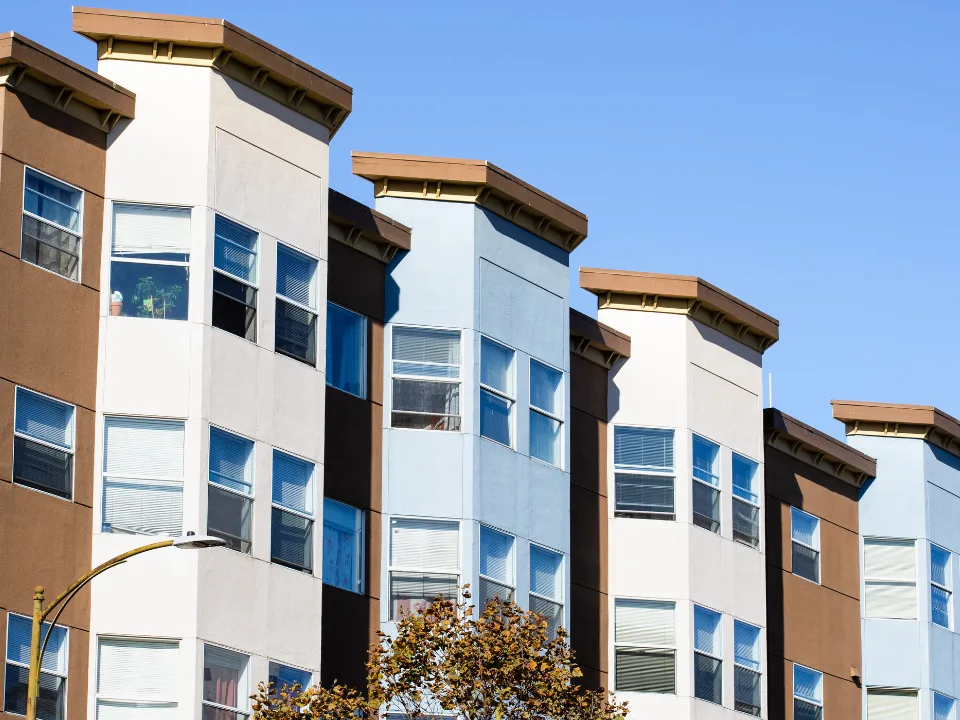




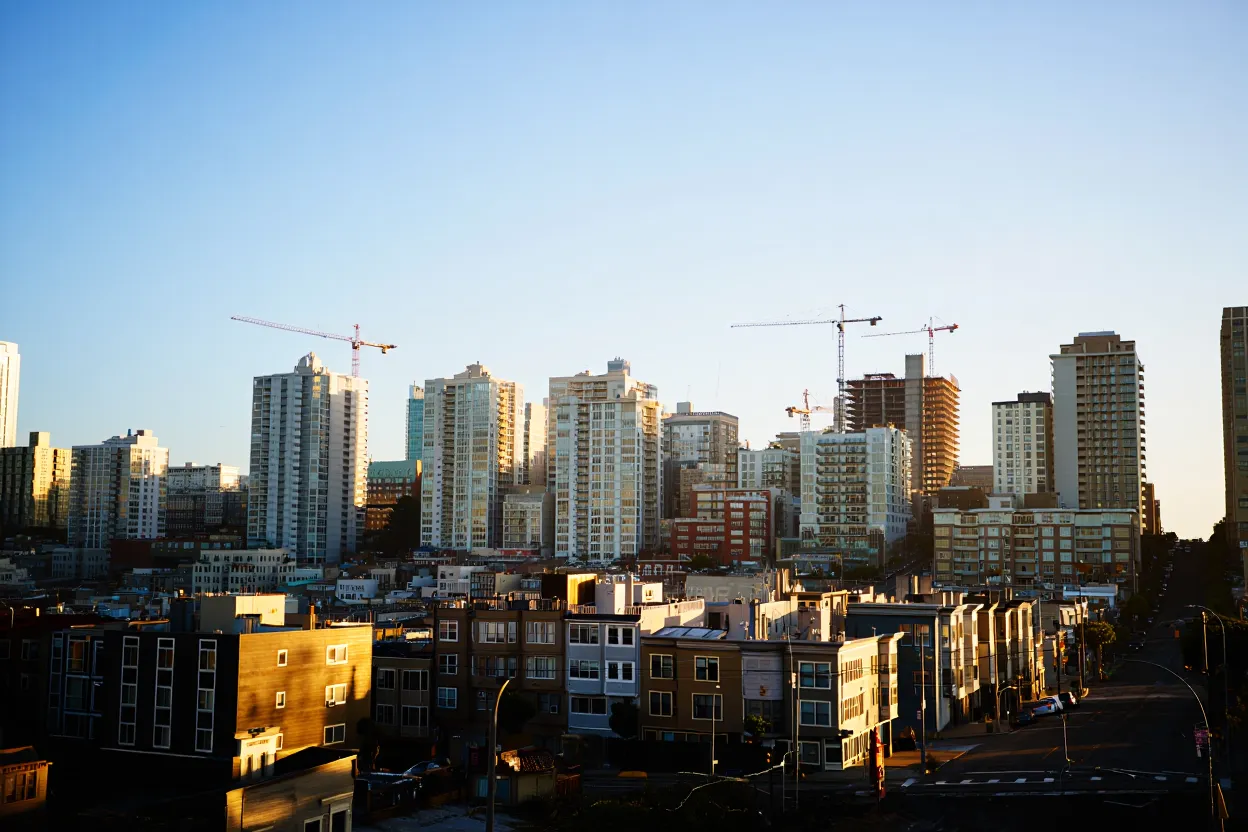
- San Francisco multifamily rents jumped 8.4% year-over-year, outpacing all other major US metros per Apartments.com.
- High AI-driven job creation, sub-300 unit construction pipeline, and 96% occupancy are driving the city’s accelerated rent growth.
- The rent surge highlights San Francisco’s tight supply and investor confidence, contrasting with vacancy-led declines in Sun Belt markets.
AI Drives a San Francisco Multifamily Rebound
While national apartment rents flattened in Q1 2026 amid a flood of new supply and weak demand, San Francisco is moving solidly in the opposite direction. According to Bisnow, the city posted an 8.4% annual rent gain—far ahead of any other US metro. Key factors include robust hiring in the artificial intelligence sector, renewed office demand, and long-term supply constraints. Eve Myers Loecher of Newmark emphasized that, in contrast with the Sun Belt’s supply-driven softness, San Francisco’s chronic underbuilding sets it up to outperform as other metros struggle to absorb excess inventory.
Get Smarter about what matters in CRE
Stay ahead of trends in commercial real estate with CRE Daily – the free newsletter delivering everything you need to start your day in just 5-minutes
The Details
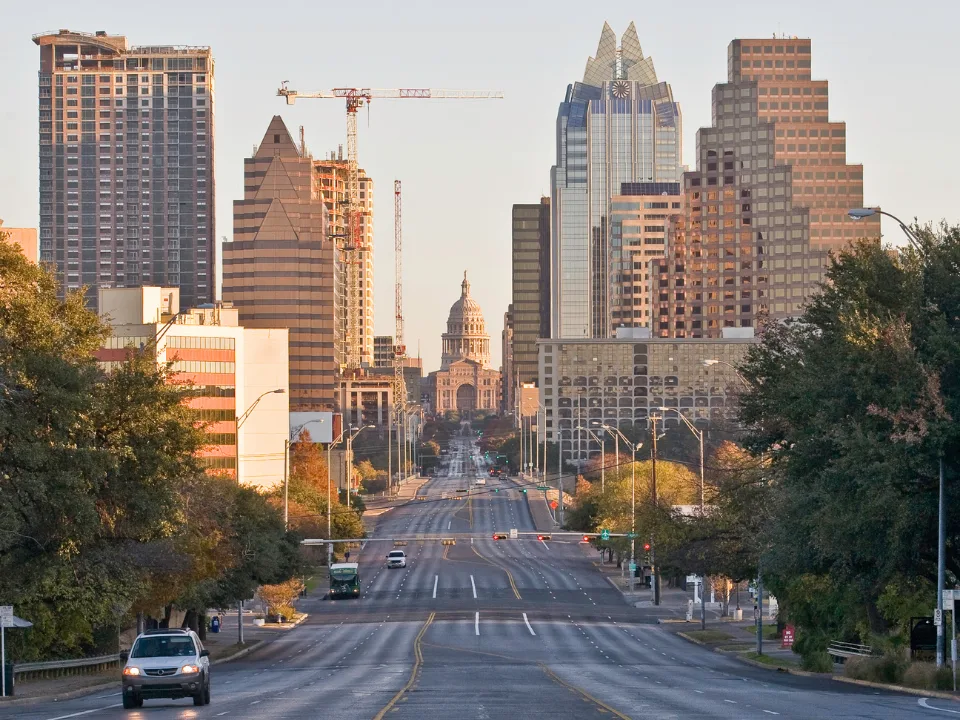
Average multifamily rent in San Francisco reached $3,429 per month in June 2026, with two-bedroom units topping $4,670. Occupancy is above 96%, per Newmark, and the construction pipeline is nearly nonexistent, with just 300 market-rate units underway. High barriers to new supply, including land scarcity, extended entitlement processes, and steep construction costs, are further tightening conditions. Meanwhile, rents in desirable neighborhoods such as Dogpatch and Pacific Heights have surpassed $4,100 per month. For comparison, Sun Belt cities like Austin and San Antonio are contending with 13–16% vacancy rates and negative rent growth as they absorb tens of thousands of new units.
Historic Underbuilding Sharpens the Divide
San Francisco’s current rent surge follows years of underbuilding. Since the pandemic, the city stabilized from average occupancy in the low 70% range and $2,800/month average rents in 2020, to a market-leading trajectory in 2026. The region’s housing shortage reflects a broader pattern across older US markets, where years of limited construction continue to constrain supply and support rent growth. By contrast, Sun Belt metros prioritized rapid development, resulting in sharp oversupply and declining rents (Austin’s new supply was 20% of inventory in Q1 2023, according to Apartments.com). San Francisco’s highly constrained pipeline and land-use challenges have shielded it from these pitfalls, with brokers pointing to the lack of new construction as a key driver in escalating rents and investment interest.
Why It Matters
The divergence between San Francisco and national multifamily markets is stark—and signals a strategic market reset. Nationally, annual rent growth hovered at just 0.6% in Q1 2026, while San Francisco led with 8.4% growth. AI firms and other high-wage employers continue hiring, bringing in an affluent renter base that both supports high rents and intensifies demand for scarce units. As a result, San Francisco’s average income-to-rent ratio is outpacing 15-year averages, and some brokers anticipate further upward pressure on rents as demand collides with a dwindling supply pipeline.
Sun Belt markets, by contrast, are grappling with high vacancy and softening tenant demand, as exemplified by Austin and San Antonio’s 3.3% rent declines. San Francisco’s chronic housing under supply—exacerbated by expensive land, lengthy entitlements, and strict inclusionary affordable housing requirements—means rents would need to rise another 20–30% before large-scale development is feasible, according to Newmark. For now, rental growth is giving investors renewed confidence, with capital flowing into assets that offer clear upside and a compelling replacement cost basis.
What’s Next
Industry experts don’t see meaningful new multifamily supply arriving soon in San Francisco. Developers face steep barriers: high acquisition prices, limited redevelopment sites, long approvals, and tight construction financing. Major projects like the demolition of the former California Pacific Medical Center are years away from adding inventory, leaving the city with just 300 new market-rate apartments in the immediate pipeline. Unless rents rise another 20–30%, Myers Loecher warns large projects won’t pencil. As AI-sector demand holds firm and supply remains locked, further rent escalation appears likely, reinforcing San Francisco’s conviction as a top national investment market.