




- New York City’s Neighborhood Pillars subsidy program for nonprofit buyers has yet to close a single multifamily deal since relaunching in April 2025.
- Eligible projects can receive up to $380K per unit and tax exemptions, but nonprofits face the same financial constraints as private landlords.
- The program’s underutilization highlights fundamental strain in NYC’s rent-stabilized multifamily sector, with 60% of properties operating at a loss per Enterprise and National Equity Fund.
Nonprofit Acquisition Program Lags Behind Expectations
Over a year after the Department of Housing Preservation and Development (HPD) revived its Neighborhood Pillars program to help nonprofits buy and rehab distressed rent-stabilized buildings, no transactions have closed, reports Bisnow. HPD Commissioner Dina Levy told the City Council this week that, despite one project nearing completion, overall progress is “slow-going.” The lack of deals has raised concerns about the effectiveness of a key piece of Mayor Zohran Mamdani’s affordable housing strategy, originally backed by a $1B council commitment to preserve 20,000 homes over 10 years.
Get Smarter about what matters in CRE
Stay ahead of trends in commercial real estate with CRE Daily – the free newsletter delivering everything you need to start your day in just 5-minutes
Financial Distress Challenges Nonprofit Competitiveness
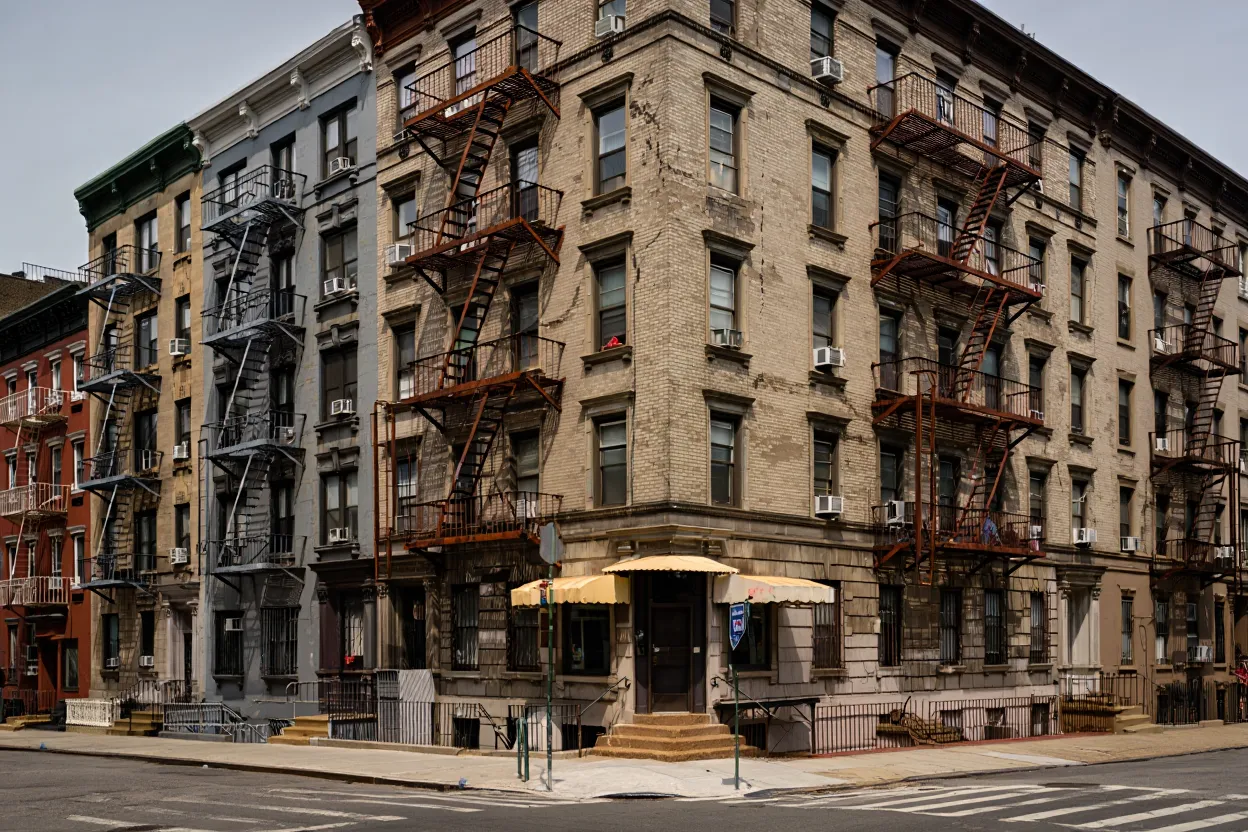
Neighborhood Pillars offers up to $380K per unit in subsidies and substantial tax exemptions. The program supports acquisitions by nonprofits and mission-driven groups. To qualify, buildings must show financial or physical distress, high housing code violations, and long-term affordability commitments. Owners must also reserve 20% of units for formerly homeless residents. However, nonprofits face the same challenges as private owners. Operating costs continue to rise while rental income lags behind. Moreover, the 2019 Housing Stability and Tenant Protection Act limits landlords’ ability to offset those growing expenses. Those pressures have already pushed some rent-stabilized portfolios into severe financial distress, including properties that recently entered foreclosure in East Harlem.
Multifamily Sector Pressured by Post-HSTPA Challenges
Per Enterprise and National Equity Fund, annual insurance costs have surged 110% since 2017, repairs are up 35%, and admin expenses climbed 51%. The result: nearly 60% of affordable properties, most owned by nonprofits, lose money after expenses and debt service. Housing code violations have spiked 47% at predominantly stabilized buildings—doubling the rate for those with fewer stabilized units, per the NYU Furman Center. The financial math makes acquisitions risky for nonprofit buyers, even with subsidy, especially as values drop post-HSTPA and many assets change hands under distress or foreclosure.
Shifting Strategy, Murky Funding in City Housing Policy
Originally launched in 2017 to prevent rent-stabilized displacement, Pillars was sidelined after the HSTPA reduced deregulation risk. The 2025 relaunch pivoted to asset rescue, but legacy challenges persist: by 2019, only five projects (339 units across 10 buildings) closed, far off initial acquisition goals. Transparency issues further cloud the picture, as allocations for Pillars are now grouped with other HPD loan programs. The city council flagged this bundling as hindering accountability; the current capital plan projects $304.9M available by fiscal 2027—down significantly from prior years.
Why It Matters
The struggle to deploy Pillars funds reflects the severe strains facing New York City’s rent-stabilized multifamily sector. With high-profile bankruptcies and growing portfolios of distressed assets, experts see a looming reshuffling of affordable housing control. Nonprofits are positioned as preferred stewards, but unless acquisition subsidies become more accessible and the operating environment improves, the city risks losing critical affordable units to deeper distress or for-profit repositionings. As lawmakers push for more nonprofit and MWBE owners, the underlying economics of rent-stabilized housing remain a formidable barrier.
What’s Next
HPD expects Pillars activity to pick up as distress deepens and more portfolios enter foreclosure or voluntary sale. Observers are watching for the program’s first post-relaunch closing, as a test case for future viability. Budget negotiations and calls for greater transparency may shape how much funding stays earmarked for nonprofit acquisitions. The question remains whether retooled subsidy programs can keep pace with mounting financial pressures or if further policy shifts are necessary to preserve the city’s aging stabilized stock.