





- Google is raising $85B in equity to support its AI-driven data center expansion, facing project delays and grid constraints.
- More than 60% of US data center capacity slated for 2027 isn’t yet under construction, mainly due to power supply and permitting bottlenecks.
- Google’s move to own power generation assets gives it an edge as grid congestion and permitting slow down hyperscale growth nationally.
US Data Center Development Lags Funding
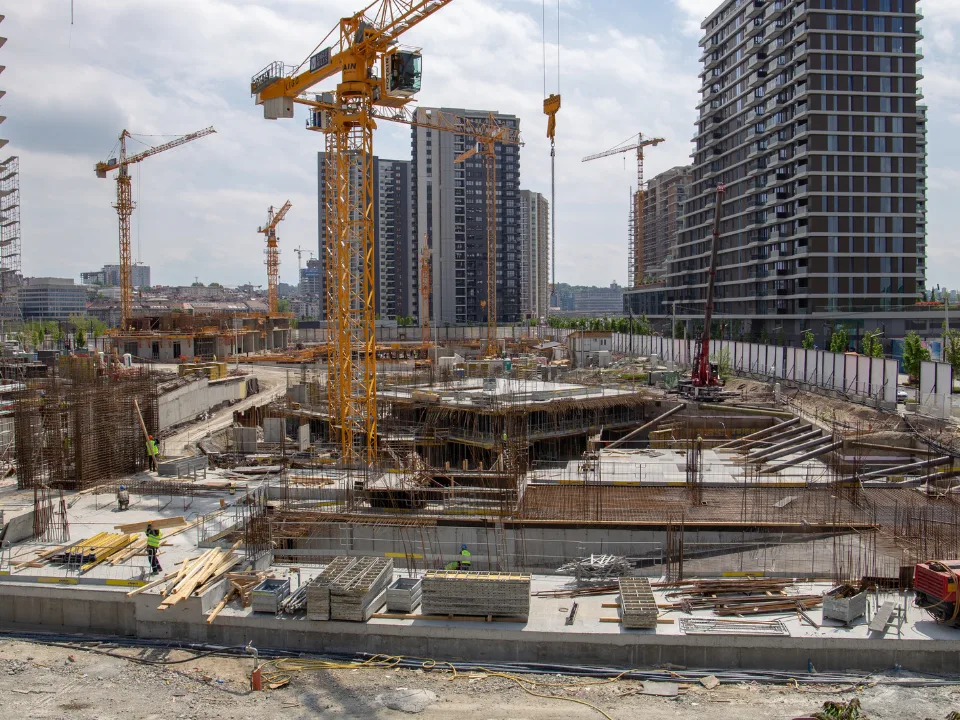
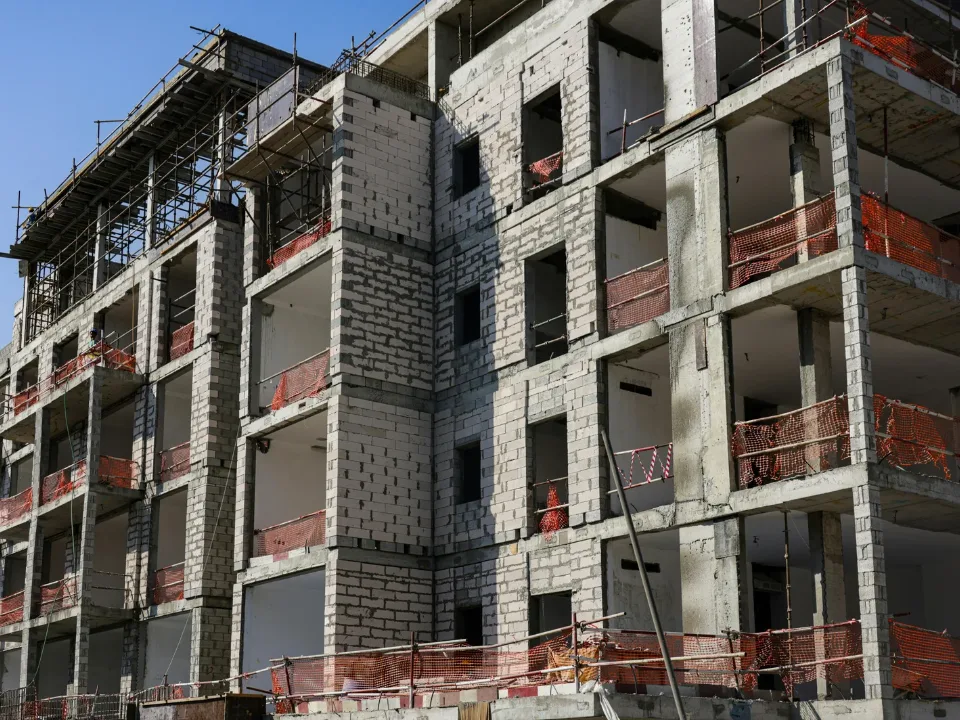
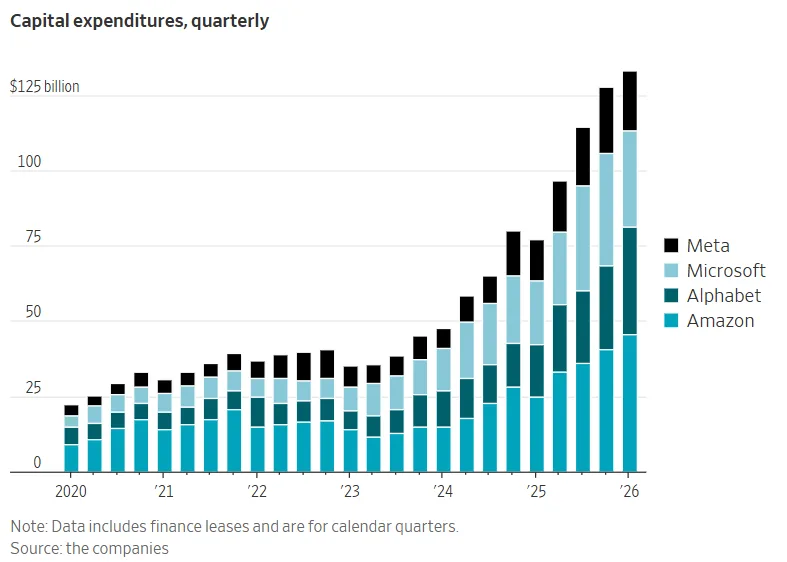
US tech giants have set record capital commitments for new data centers, but actual construction is falling behind schedule, according to the WSJ. Google’s $85B equity raise marks the sector’s largest recent bet, but according to a May report from JPMorgan, over 60% of the nation’s planned data center capacity for 2027 hasn’t even broken ground. With only 7% moving forward as intended, the divide between capital raised and megawatts delivered is widening just as demand for artificial intelligence infrastructure ramps record highs.
Construction Delays Driven by Power Grid Limits
The data center sector’s biggest constraint isn’t money—it’s power. Securing utility access is a major sticking point, with hyperscale facilities often needing as much energy as a midsize city. Complex grid interconnection studies, long waits for transformers, and the sheer scale of required generation are stalling progress. Michael Nathanson of MoffettNathanson notes the switch to equity financing surprised investors, highlighting just how intense the capital needs are in the next few years.
Get Smarter about what matters in CRE
Stay ahead of trends in commercial real estate with CRE Daily – the free newsletter delivering everything you need to start your day in just 5-minutes
Google Bets on Owning Its Own Power
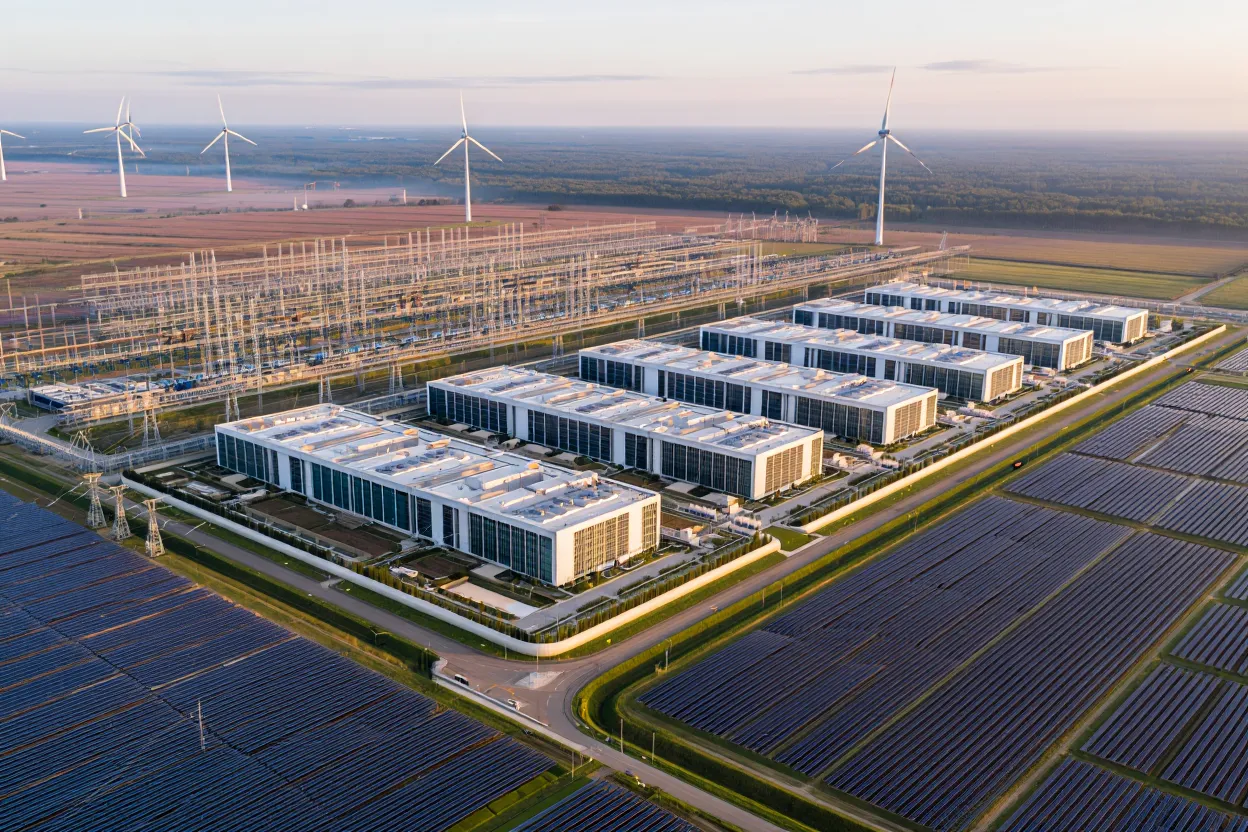
In 2026, Google became the first big tech firm to buy a power developer outright with its $4.75B acquisition of Intersect. By integrating wind and solar projects, Google aims to supply multiple gigawatts directly, sidestepping utility grid bottlenecks. The company also inked a demand response deal with Voltus to free up 100 megawatts in PJM, the largest US power market. These moves position Google to move faster than rivals while reducing its reliance on local utilities. Other tech giants like Microsoft and Meta are pursuing their own energy strategies, including nuclear and on-site gas generation.
Trend: Power Shortages Reshape Data Center Site Selection
Cities from Texas to Northern Virginia are seeing mounting concerns about whether local grids can keep pace with hyperscale demand. JPMorgan’s analysis identifies delays in vital equipment, such as gas turbines and transformers, as a major driver of project slippage. Regulatory changes may eventually favor projects that pair new data centers with on-site or dedicated generation—a shift already underway among the sector’s biggest players. Microsoft’s 2024 deal to restart the Three Mile Island nuclear reactor is one example of this trend.
Why It Matters
For CRE investors, developers, and infrastructure providers, the race for AI capacity is reshaping how sites are selected and financed. According to CBRE, US data center vacancy dropped below 3% in major markets in Q1 2026, driving up lease rates and increasing interest in secondary markets. However, hardware bottlenecks and grid congestion are now just as likely as permitting delays to dictate project timelines and ROI.
What’s Next
Watch for more tech companies to vertically integrate by acquiring power generation or energy management firms. Google’s approach may become the template as others attempt to mitigate grid risk. Meanwhile, regulatory changes and innovations in demand response could alter how quickly hyperscale projects reach completion. The sector’s ability to keep up with AI and cloud computing’s resource appetite will ultimately hinge less on cash, and more on kilowatts.