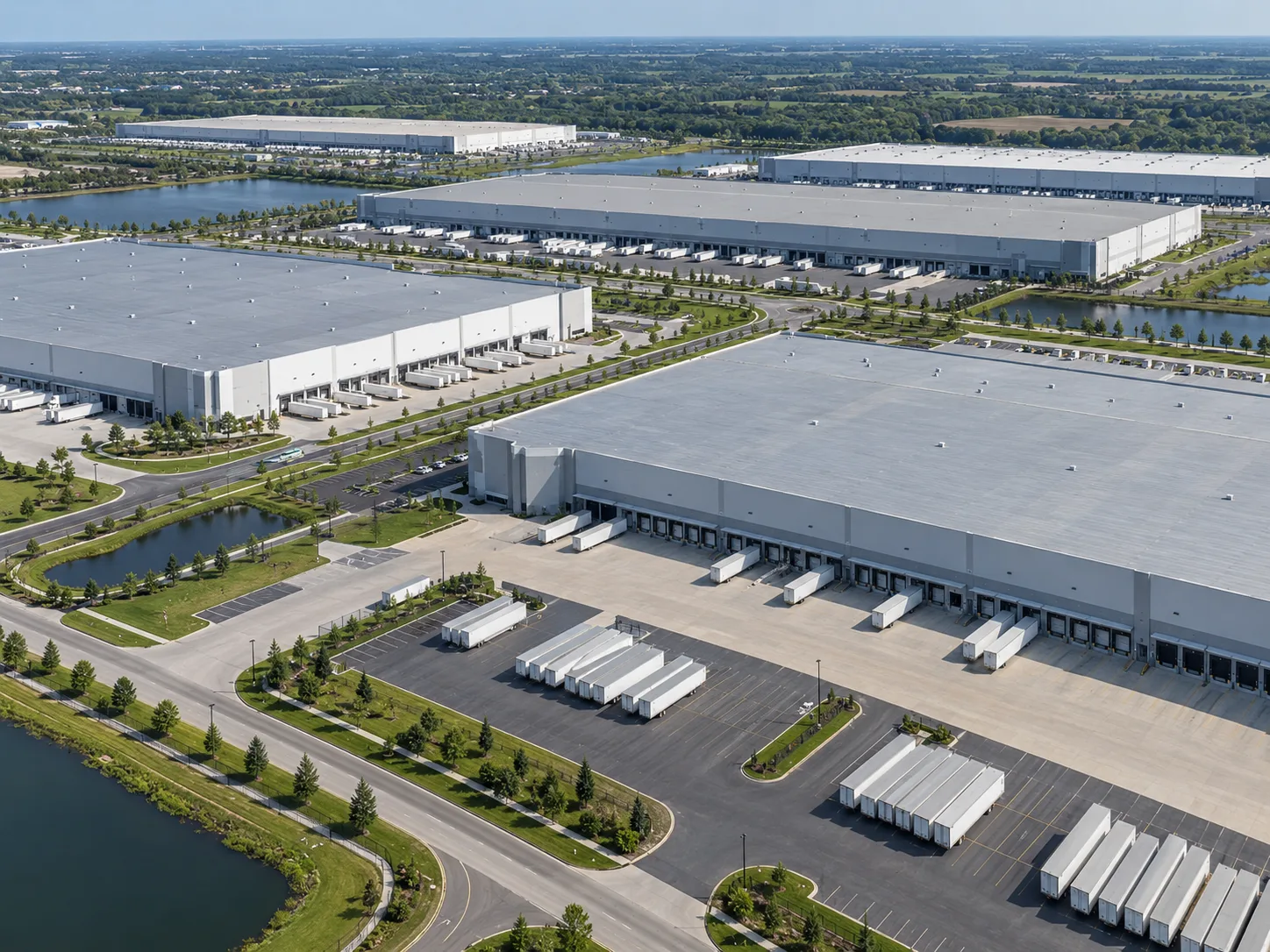




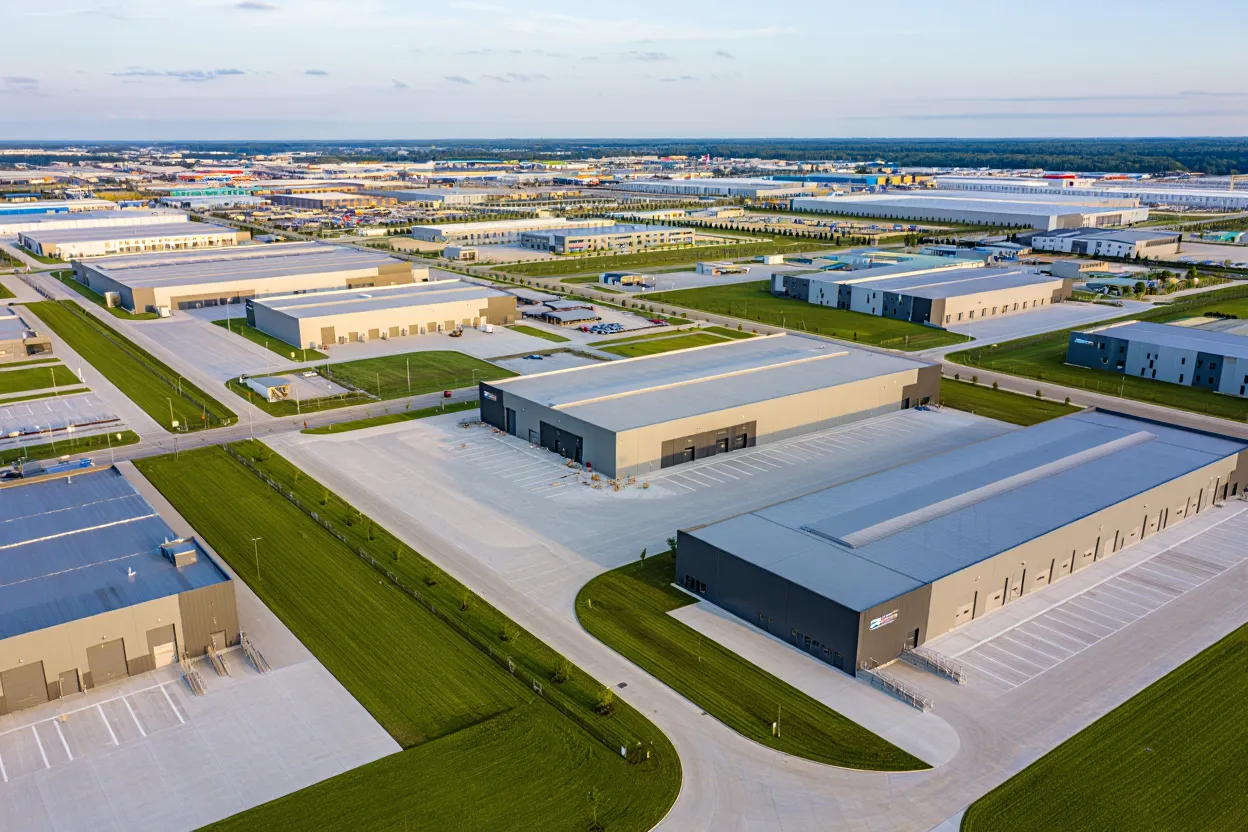
- BKM Capital Partners and Kayne Anderson Real Estate bought an 8.5M SF light industrial portfolio for $1.81B from Link Logistics.
- The deal adds 51 properties across California, Texas, Washington, and Georgia, raising the platform’s managed footprint to 15M SF.
- The joint venture is now one of the largest multitenant light industrial owners in the US, reflecting institutional appetite for the sector’s resilient fundamentals.
BKM, Kayne Anderson Bet Big on Light Industrial
BKM Capital Partners and Kayne Anderson Real Estate closed on a major $1.81B acquisition of an 8.5M SF multitenant light industrial portfolio, picked up from Link Logistics, per IREI. The 51-property deal spans infill markets across California, Washington, Texas, and Georgia, and brings the joint venture’s operating platform to about 15M SF, spread over nearly 200 employees in 25 offices nationwide. This is the largest single addition to BKM’s platform to date and positions the partners firmly in the top tier of US light industrial owners and operators.
Get Smarter about what matters in CRE
Stay ahead of trends in commercial real estate with CRE Daily – the free newsletter delivering everything you need to start your day in just 5-minutes
Light Industrial Consolidation Accelerates
Multitenant light industrial has emerged as a target for institutional capital, even as other CRE sectors struggle with volatility. Per CBRE’s 2023 industrial sector outlook, light industrial spaces—especially in infill submarkets—have stayed resilient, driven by e-commerce demand, local distribution, and supply chain adjustments. Fragmentation and local operating expertise provide an edge; both Kayne Anderson and BKM have doubled down on scaled, vertically integrated platforms, betting on stable occupancy and growth. This deal also transfers eight property management offices and 40 staff, deepening operational reach.
The Details
The acquired portfolio consists of about 2,000 units across 275 buildings and boasts around 90% occupancy. The properties are concentrated in high-growth, urban-infill submarkets, primed for durable tenant demand. The acquisition also brings in substantial infrastructure, including eight operating offices and functions covering property management, leasing, construction, and back-office support. BKM’s immediate plans include exterior upgrades, roof and HVAC work, market-ready improvements on vacant space, and office reconfiguration aimed at cutting overall office buildout from 37% to 33%. Select properties will see more aggressive conversion to warehouse space to match demand.
Market Density and Scale Matter More
This acquisition comes as industrial remains CRE’s best-performing major sector. According to JLL research from Q1 2024, US industrial vacancy was below 5% in most established infill markets, with small- and mid-bay product seeing the tightest conditions and strongest rent growth. Portfolio-level scale, local presence, and operational know-how are increasingly separating winners as more institutions chase industrial’s steady returns. BKM and Kayne Anderson’s platform is now multiples larger than most regional competitors, able to pursue efficiencies, tenant relationships, and redevelopment at scale.
Why It Matters
With this $1.81B buy, Kayne Anderson and BKM further validate the investment thesis that multitenant light industrial is a winning institutional play, buoyed by fragmented ownership, sticky occupancy, and demand from logistics, trades, and last-mile users. National scale and local expertise will be harder for new entrants to replicate as established platforms keep rolling up mid-market portfolios. For brokers, investors, and operators, look for ongoing consolidation and heightened capital targeting this ‘boring but beautiful’ sector.
What’s Next
Watch for BKM and Kayne Anderson to execute on targeted property upgrades and further densification, with an eye on margin growth as office buildout is reduced. Market observers should expect more light industrial M&A as other managers rush to assemble scalable platforms, and potential value-add plays as segments of the sector cycle out of legacy uses. Pipeline activity will likely remain busy as institutional capital continues pivoting toward industrial, especially in core infill markets.