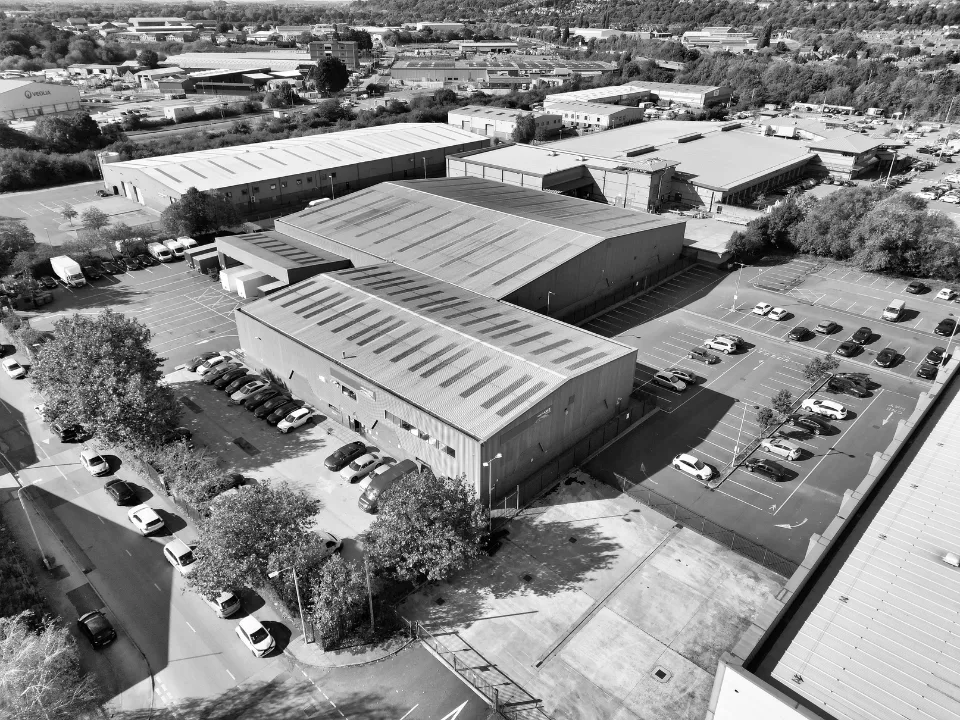





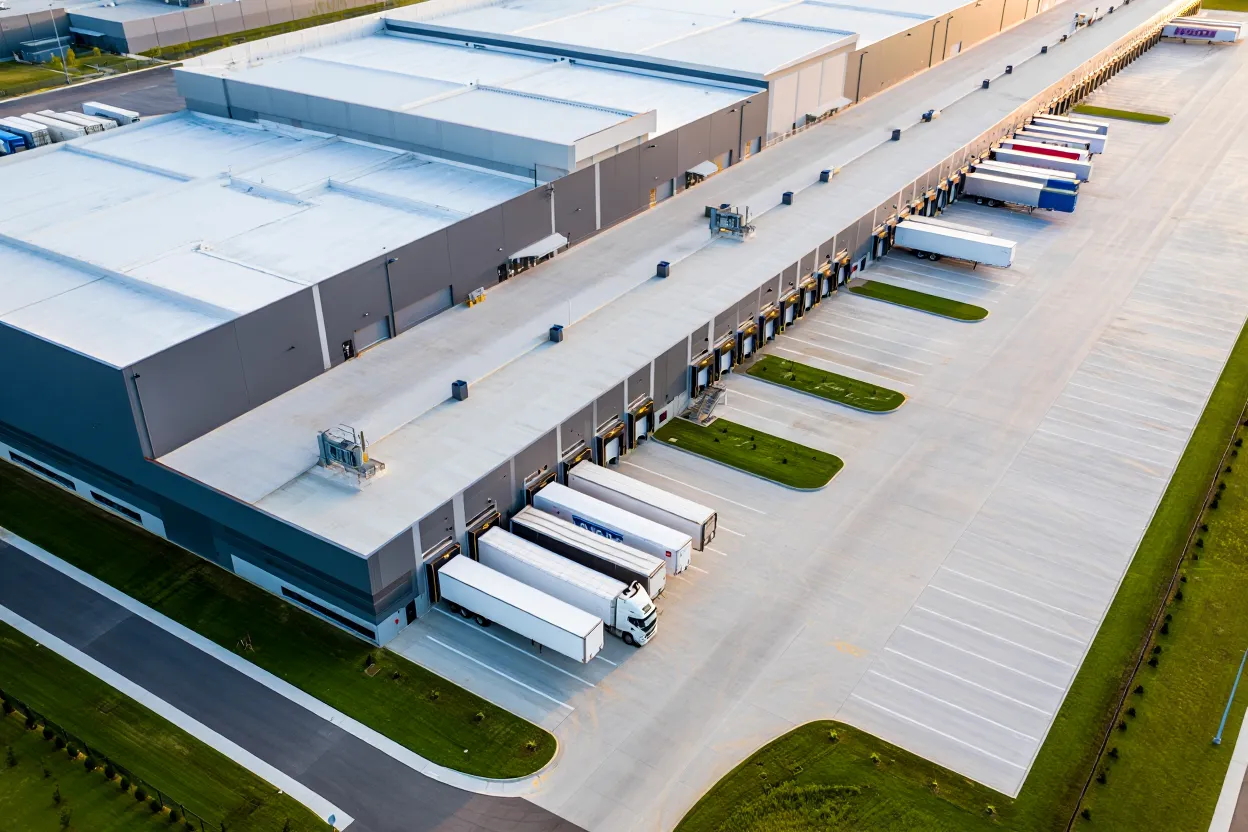
- PGIM and Miramar Capital sold a 1.6M SF, six-property FedEx-leased industrial portfolio for $300M across five Southeastern states.
- The modern, Class A facilities—fully leased to FedEx—span Florida, the Carolinas, and Virginia, and were built between 2022 and 2023.
- The deal highlights continued investor demand for last-mile distribution assets in high-growth Sun Belt markets with strong demographic fundamentals.
PGIM and Miramar Capital have completed the sale of a $300M SF Southeast industrial portfolio comprising six FedEx logistics facilities across five states, per IREI. The portfolio totals approximately 1.6M SF and was acquired by an undisclosed buyer. JLL Capital Markets represented the sellers in the transaction.
A regional logistics footprint
The portfolio brings together a group of newly built distribution facilities in key Southeast markets. The assets are located in Punta Gorda, Florida; Anderson and Myrtle Beach, South Carolina; Christiansburg and Bristol, Virginia; and Wingate, North Carolina. Together, they support last-mile and regional delivery operations across growing markets in the Southeast.
Get Smarter about what matters in CRE
Stay ahead of trends in commercial real estate with CRE Daily – the free newsletter delivering everything you need to start your day in just 5-minutes
The details
Developers built the facilities between 2022 and 2023. Property sizes range from about 251,000 SF to 337,000 SF. In addition, FedEx fully leases all six assets under long-term net lease agreements. That structure provides steady income and limits landlord responsibilities. JLL’s capital markets team led the sale process on behalf of PGIM and Miramar Capital.
Net lease logistics remains in demand
Investor interest in industrial real estate has shifted toward assets offering durable income streams as capital markets remain selective. Portfolios leased to investment-grade tenants continue to command attention because they combine operationally critical facilities with predictable rent collections. Newly constructed logistics properties have been particularly attractive as occupiers increasingly prioritize modern distribution infrastructure and efficient last-mile networks.
Why it matters
The transaction demonstrates that buyers remain willing to deploy significant capital into stabilized industrial portfolios despite higher borrowing costs and a more disciplined acquisition environment. The combination of a nationally recognized tenant, long-term leases, and geographic diversification helped position the portfolio as a lower-risk industrial investment. For owners and developers, the sale reinforces the liquidity available for high-quality logistics assets in growth-oriented Southeast markets.
What’s next
Market participants will be watching whether additional institutional owners bring similar net lease industrial portfolios to market. Demand for modern logistics facilities remains closely tied to population growth, e-commerce activity, and distribution network optimization across the Southeast. As investors continue to seek reliable income-producing assets, portfolios featuring newly built facilities and creditworthy tenants are likely to remain among the most sought-after offerings in the industrial sector.