



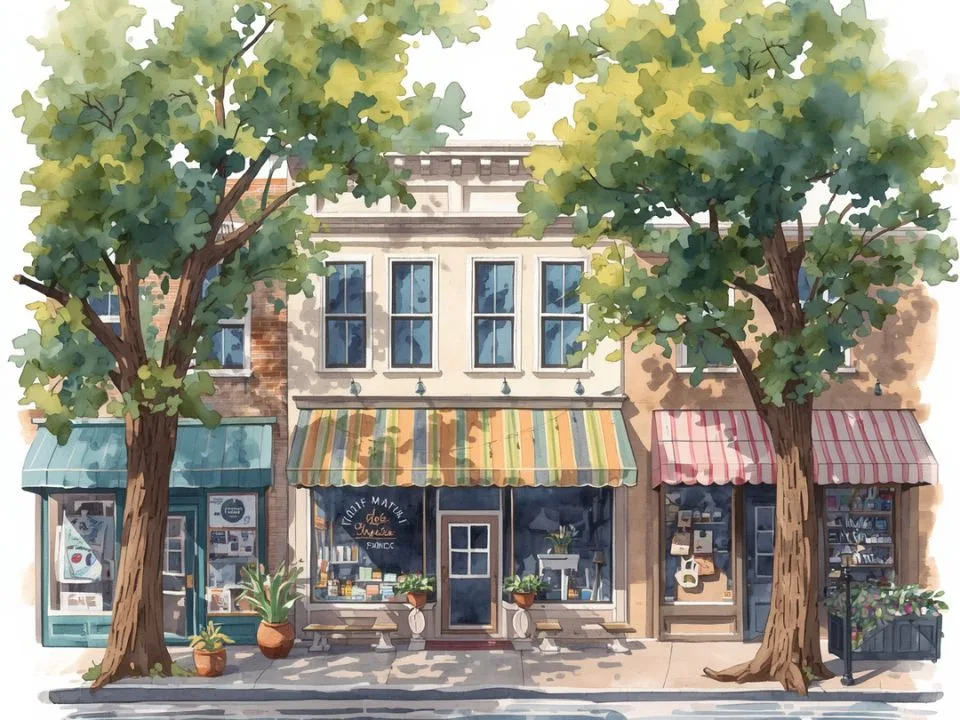



The retail apocalypse has failed to materialize. Despite decades of concern about the potential impact of ecommerce on commercial real estate, a whopping 83 percent of all retail sales took place in brick-and-mortar storefronts in the first quarter of this year.
While it’s true that the once-mighty Blockbuster has been reduced to a single, nostalgia-based store, that level of vulnerability to digital disruption has proven extremely rare in retail.
And yet, the resilience of in-person shopping isn’t even one of the most important reasons that retail real estate is brimming with so much opportunity right now. The real story lies in retail’s pivot from goods to services and in the large gap between supply and demand.
The Goods vs. Services Shift
The very definition of retail real estate is shifting in a big way. Many people think of retail real estate and picture a cluster of stores selling goods to consumers: clothing, electronics, furniture, and more. But that no longer reflects the reality of the industry.
The number of retail tenants offering some form of service has been steadily growing and now surpasses the number of retailers selling consumer goods, according to The Wall Street Journal.
The list of common retail-based service providers you’re likely to encounter today includes:
- Gyms
- Restaurants, cafes, and bars
- Gas stations
- Salons
- Medical providers
- Veterinarians and pet grooming
- Repair shops
- Tutoring and education
- Entertainment venues
These services will always need to be provided somewhere in person, many of them on a recurring basis. This shift of retail toward more service-based businesses will serve as a strong hedge against any threat from e-commerce.
Regardless of whether a business provides goods or services, all retail real estate needs visibility, parking, signage, and convenience. And that is exactly what well-located neighborhood retail centers provide.
At Ziff Properties, we provide highly visible, affordable real estate to businesses that need convenient access to their customers. Our tenant base reflects how neighborhood retail has evolved. Service-based businesses make up the largest share of our portfolio, accounting for roughly 30% of tenants, while restaurants, fitness operators, and medical users collectively outnumber traditional retailers. Personal care providers, pet services, and education-related businesses are among the fastest-growing categories. These tenants can’t be downloaded, shipped, or fulfilled online—they need physical locations close to their customers.
Low Supply + Strong Demand = Rent and NOI Growth
Many neighborhood retail centers were developed decades ago in suburban areas that have since seen explosive growth, driven largely by remote work and affordability.
But with the costs of financing, material, labor, and land as well as significant zoning restrictions, retail construction is down significantly despite high demand. This April, retail foot traffic rose 2.6 percent year over year.
That imbalance has led to high rent rates with strong growth year over year. Retail vacancy in the first quarter of this year was only 4.4 percent, and it has held steady at that level or lower since the first quarter of 2023. Asking rents, meanwhile, have hit $25.89 per square foot, a .31 percent increase over the prior quarter.
Today’s tenant base is diversified across a variety of retail sectors, and many are franchisees or growing regional businesses looking to expand into additional locations. Meanwhile, many institutional investors have spent years favoring multifamily, industrial, and self-storage assets while shying away from retail and the opportunities it offers.
The investment community is beginning to recognize that disconnect; retail assets are experiencing strong tenant demand, have greater barriers to new supply are delivering superior rent and NOI growth, yet trade at materially higher cap rates than other asset types.
Management Seals the Deal
Despite these advantages, a successful retail leasing strategy isn’t possible without strong management. While multifamily and self-storage management can be easily outsourced, retail requires a much more hands-on approach.
A neighborhood center may include a variety of business types, each with distinct needs. Successful retail ownership starts with understanding a tenant’s business plan, capitalization, customer base, and operational risk before a lease is ever signed.
Effective retail landlords will work with tenants to determine the right space size, storefront visibility, signage, parking access, and buildout configuration. In many cases, landlords also co-invest alongside tenants in improvements that help optimize the long-term success of the location.
Monitoring tenant performance, maintaining communication, and helping successful operators expand into additional locations ensures success for both landlord and tenant.
At Ziff Properties, we see strong internal leasing and property management capabilities as a huge competitive advantage. That philosophy has translated into resilience over time, including long-term rent collections exceeding 99 percent and losses of only 2.5 percent even at the height of the pandemic.
The Future of Retail
Retail will continue to evolve, and some tenant categories will decline while new ones emerge. But the enduring value of neighborhood retail lies in controlling strategically located real estate within dense, growing communities where consumers want convenient access to goods, but also to services and experiences.
For investors willing to look beyond outdated assumptions about brick-and-mortar retail, necessity-based neighborhood centers may represent one of the most compelling combinations of durability, pricing power, and long-term growth in today’s commercial real estate market.