



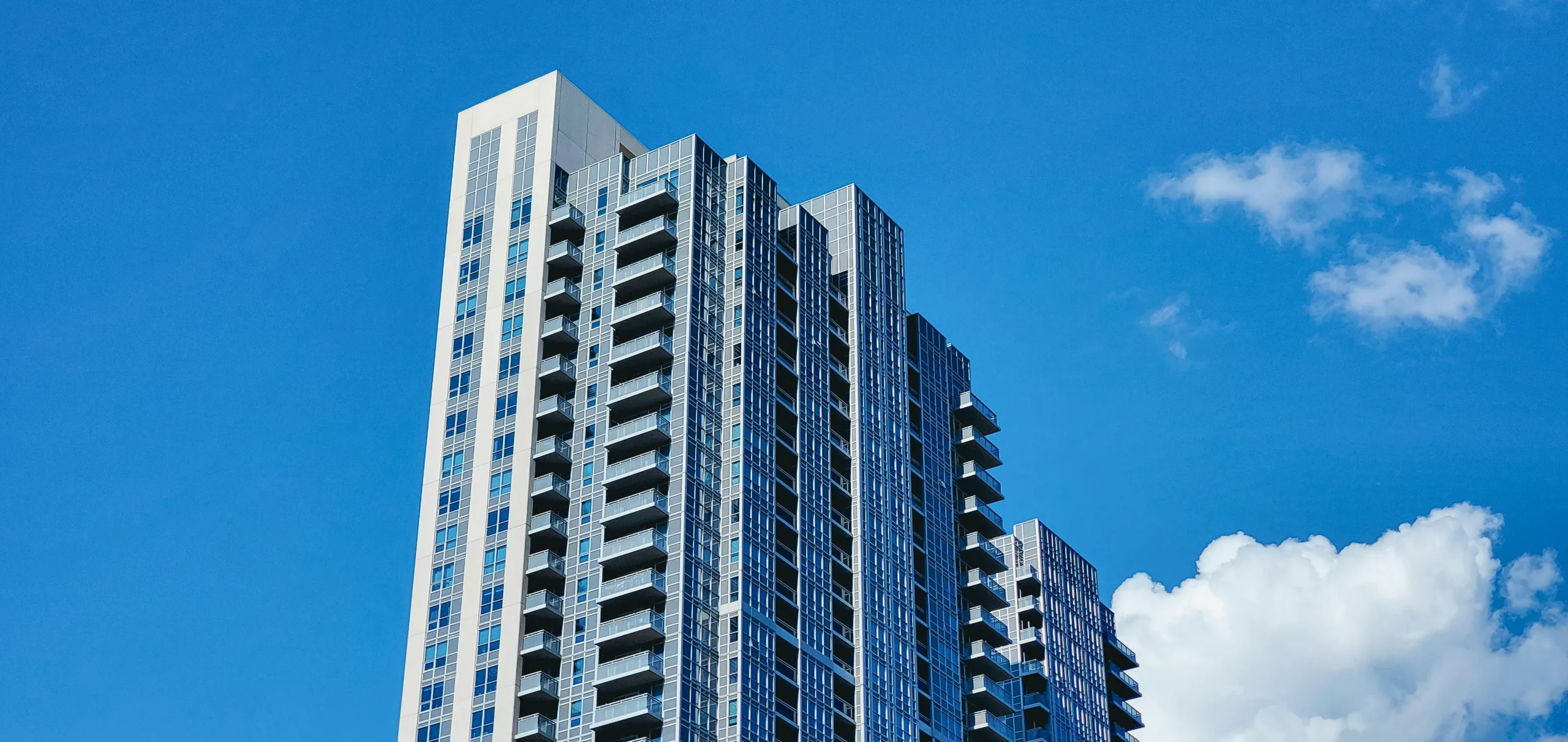
- The Monarch at HALL Park reflects Frisco’s growing demand for luxury rentals tied to walkable, mixed-use districts rather than traditional suburban apartment communities.
- Developers are pairing high-end residential towers with hospitality, dining, and public green space as Class A occupancy in the Frisco/Plano market remains strong.
- The project highlights a broader suburban CRE trend where renters increasingly prioritize convenience, flexibility, and live-work-play integration over homeownership.
According to DMagazine, Frisco’s luxury rental market is entering a new phase as developers lean harder into mixed-use environments designed around convenience, walkability, and lifestyle integration. The shift is taking shape at HALL Park, where The Monarch, a 19-story residential tower along the Dallas North Tollway, is redefining what upscale suburban living looks like in North Texas.
The project arrives as Frisco continues to absorb corporate relocations, population growth, and expanding office demand. Instead of replicating the region’s traditional suburban formula of single-family homes and car-dependent retail, developers are increasingly building communities where residents can live, work, dine, and socialize within the same district.
Get Smarter About What Matters in Texas
Subscribe to our free newsletter covering the biggest commercial real estate stories across Texas — delivered in just 5 minutes.
Changing Frisco’s Development Playbook
HALL Park has historically operated as a corporate office campus, but the district is steadily evolving into a mixed-use destination. Alongside The Monarch, the development now includes Kaleidoscope Park, the city’s 5.7-acre programmed public park, the HALL Park Hotel under Marriott’s Autograph Collection, and a growing lineup of restaurants and entertainment offerings.
That transformation reflects broader renter preferences emerging across North Texas. Aaron McDonnell, regional property manager at Cushman & Wakefield, said Frisco continues to outperform many North Texas submarkets in renter demand and apartment absorption, with mixed-use projects capturing the strongest leasing momentum.
According to Cushman & Wakefield, newer Class A multifamily properties in the Frisco/Plano submarket continue posting occupancy levels in the mid-90% range despite ongoing deliveries. Projects with integrated retail, green space, and walkable amenities are also maintaining pricing power as competition intensifies.
The Details
The Monarch is positioning itself as a hospitality-driven residential product rather than a traditional apartment tower. The property incorporates dining, hotel partnerships, and resident services typically associated with urban mixed-use developments.
Two Headington Companies restaurant concepts, Tango Room and Commissary, are expected to open beneath the tower later this year. Commissary will operate as an all-day market and café concept, while Tango Room is bringing a more casual steakhouse format to the project.
Management plans to integrate exclusive resident perks tied to both venues, reinforcing a growing CRE trend where restaurants function less as standalone retail tenants and more as embedded lifestyle amenities designed to improve retention and leasing performance.
The residential mix also targets affluent renters seeking flexibility over ownership. Penthouse units range from roughly 1,000 SF to more than 3,200 SF and include floor-to-ceiling windows, wraparound patios, fireplaces, motorized shades, and hotel-style services such as housekeeping, car detailing, and concierge-style package delivery.
Why Suburban Mixed-Use Is Gaining Traction
The Monarch reflects a broader shift across suburban Sun Belt markets. Developers now want urban-style, live-work-play environments with strong regional connectivity. That model fits Frisco especially well. The Dallas North Tollway corridor continues attracting major employers and high-income residents. The area also continues drawing major entertainment and sports-driven development activity across North Texas.
Renters now prioritize convenience in their daily routines. Jorge Rios, property manager at The Monarch, said residents value walkability and integrated experiences more than finishes alone. Many also want easier access to dining, green space, and entertainment near home.
That demand mirrors broader multifamily trends. CBRE’s 2026 multifamily outlook shows mixed-use communities outperform conventional suburban assets in rent growth and tenant retention. The strongest performance appears in high-growth employment corridors across Texas and the Southeast.
Office space, hospitality amenities, and entertainment also strengthen leasing performance for developers. Mixed-use districts create activity throughout the day instead of relying only on apartment residents. Office workers, hotel guests, and visitors help support restaurants, retail, and public spaces simultaneously.
Why It Matters
Frisco’s luxury rental market is becoming a case study for how suburban development patterns are evolving as renter expectations shift. Developers are no longer competing solely on unit interiors or pricing; they are increasingly competing on experience, convenience, and connectivity.
That dynamic could influence future development across North Texas as more companies relocate employees to suburban employment hubs. Renters who might previously have purchased homes are now showing greater willingness to lease if projects can offer flexibility without sacrificing lifestyle quality.
The trend also supports continued densification in suburban office corridors that were once dominated by standalone campuses and surface parking lots.
What’s Next
As Frisco’s population and corporate footprint continue expanding, more mixed-use residential projects are likely to emerge along the Dallas North Tollway corridor. Developers will be watching whether projects like The Monarch can sustain premium rents while maintaining high occupancy amid new supply.
The success of hospitality-integrated multifamily may also shape future suburban development strategies throughout North Texas. If renter demand continues favoring walkable, amenitized environments, projects blending residential, dining, office, and public space could become the default model rather than the exception.