


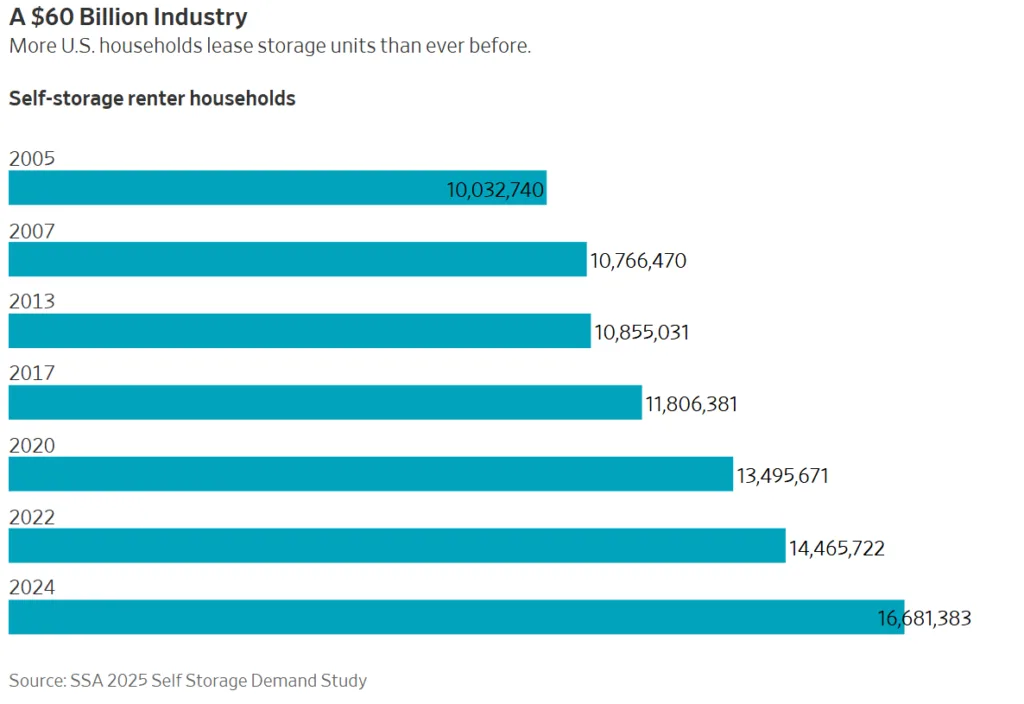
- Self-storage demand remains high, with over 12% of US households using units.
- Local bans and zoning restrictions are rising, targeting new self-storage developments.
- Operators are adapting with mixed-use projects and upgraded facility design.
- Price competition is fierce, with discounts for new tenants and higher rents for existing customers.
Self-Storage Faces Local Pushback
The US self-storage market continues to expand, with more than 164M SF under development. But municipalities nationwide are tightening regulations. Self-storage facilities now face outright bans or strict zoning controls in parts of at least 15 states, often targeting prime urban or residential corridors for alternative uses like housing, reports The WSJ.
Land Use and Design Concerns
Critics say large, windowless self-storage centers can disrupt neighborhood vibrancy and take up land meant for community-focused development. Some local governments, like Providence, RI, have enacted citywide moratoriums. Others allow new facilities only in industrial zones.
- Denver prohibits self-storage near light rail, aiming for higher-density housing nearby
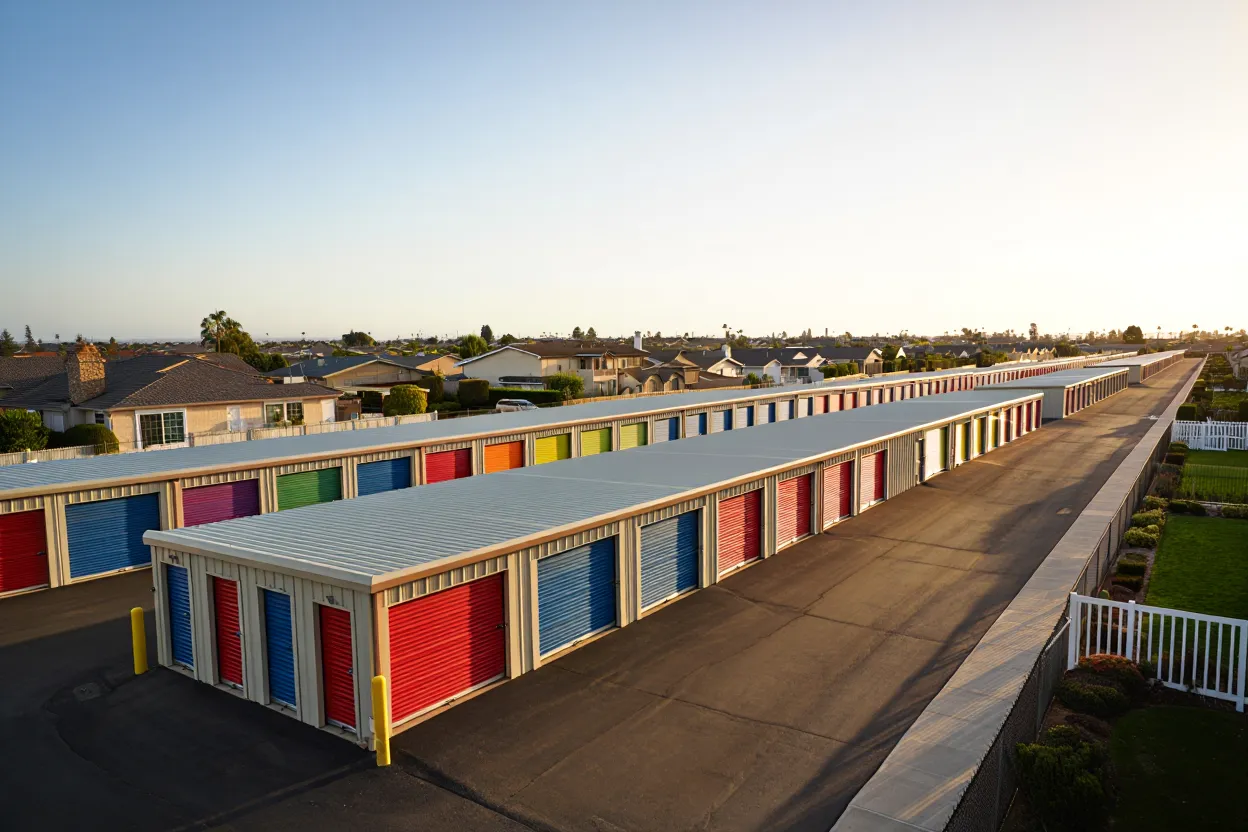
- In Bristol, RI, new facilities are disguised to resemble homes, though these efforts have mixed reception
Owners Adapt to Stay Competitive
Landlords are upgrading facility design and adding amenities to gain public approval and tenant interest. Projects in California now include shared commercial uses like laundromats and restaurants. This shift comes as the sector regains footing after recent volatility, with operators recalibrating strategies to match changing market conditions. Tech-driven operators, such as Stuf Storage, retrofit existing urban buildings and use automation to reduce staff and streamline operations. Many focus on convenient, infill locations rather than sprawling suburban or industrial parks.
Get Smarter about what matters in CRE
Stay ahead of trends in commercial real estate with CRE Daily – the free newsletter delivering everything you need to start your day in just 5-minutes
Pricing Dynamics and Occupancy Trends
Self-storage pricing remains strong, with average rates for a 10×10 unit at about $125 (non-climate) and $150 (climate controlled) nationally, though higher in major cities. Operators offer competitive advertised rates — or ‘street prices’ — to attract new renters, while existing tenants usually pay 19% more on average. Occupancy is stabilizing after a pandemic-driven spike, largely tracking overall real estate market trends.
What’s Next
Local opposition to new self-storage development is expected to persist, fueling innovation in design, mixed-use integration, and adaptive reuse. As urban land values and community expectations rise, only the most versatile and community-friendly self-storage facilities are likely to win approvals and maintain high occupancy rates.