




- Blackstone is offloading Seattle’s US Bank Center for roughly $280M, a 54% loss from its 2019 purchase price.
- Spear Street Capital is the buyer, with the deal contingent on financing; lenders are cooperating as office values hit multi-year lows.
- Seattle’s office sector remains under pressure with one-third downtown vacancy, signaling continued distress for urban trophy assets.
Blackstone Cuts Losses in Downtown Seattle
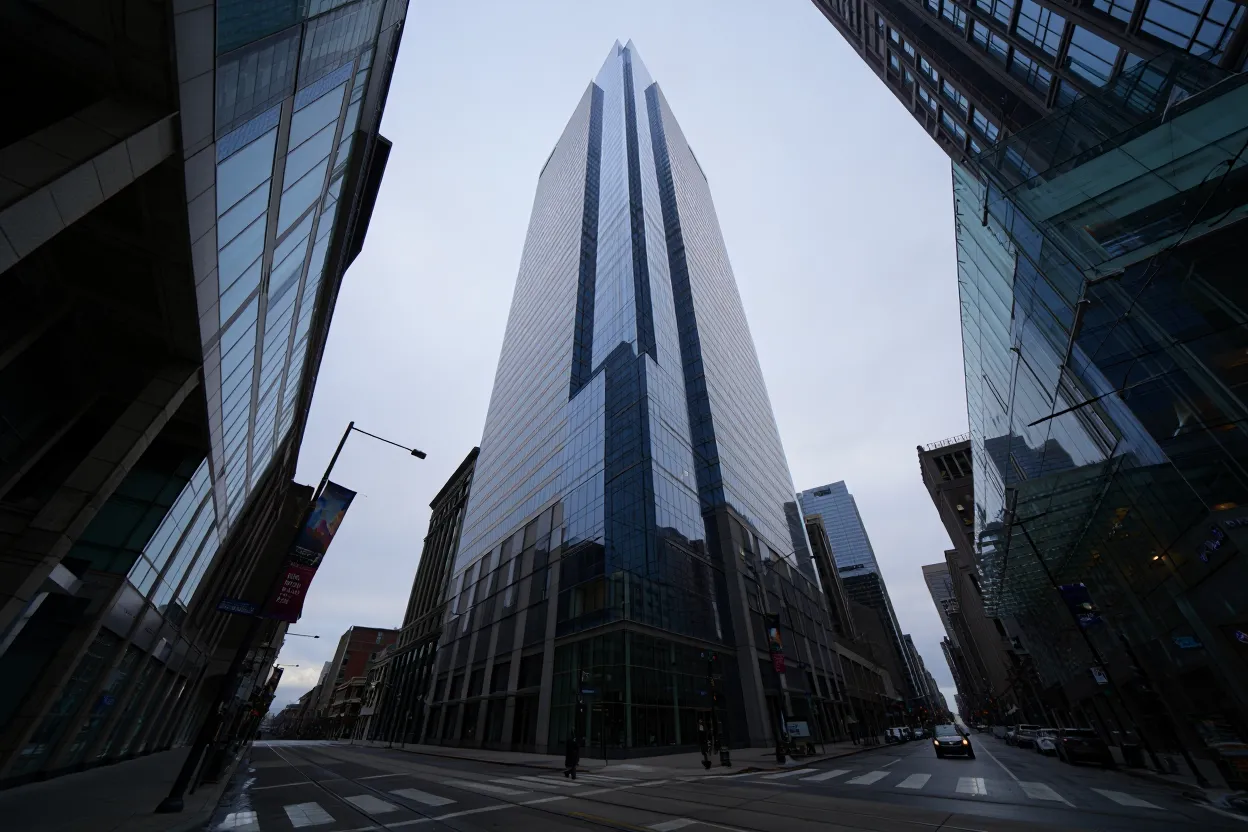
Bloomberg reports that a major institutional owner is exiting one of Seattle’s signature towers at a steep discount. Blackstone has agreed to sell the 44-story US Bank Center downtown to Spear Street Capital for about $280M, per people familiar with the negotiations. That’s far below the $612M Blackstone paid just seven years ago, and the deal remains contingent on securing financing. The sale underscores how pandemic-driven office turbulence is forcing even the sector’s biggest players to accept losses as property performance slips and buyer appetite diminishes.
Get Smarter about what matters in CRE
Stay ahead of trends in commercial real estate with CRE Daily – the free newsletter delivering everything you need to start your day in just 5-minutes
Pandemic Wounds Linger for Prime Office Assets
US Bank Center, built in the late 1980s and extensively renovated in recent years, was once a symbol of Seattle’s economic boom. Since COVID, vacancy rates have surged—a report from CBRE notes that one-third of downtown Seattle offices were vacant as of March 2026, outpacing national trends. The sharp value drop aligns with broader urban market struggles: Central business district office valuations across the US have fallen 44% over the past five years, according to MSCI. With Blackstone and lenders cooperating on this sale—brokered by Eastdil Secured—it’s a clear admission that trophy towers are not immune to rapid repricing and capital migration.
The Details
Blackstone’s $612M acquisition in 2019 saddled the property with $427.8M in debt, with major lenders including Deutsche Bank AG and US Bank NA. The pending transaction at $280M implies not just a substantial book loss, but severe impairment for debt holders unless a workout is resolved. Spear Street Capital, which owns about $4B in office assets, is set to expand its Seattle footprint if the deal closes. Blackstone, for its part, downplayed the impact, stating that US traditional office now comprises less than 1.5% of its portfolio and the write-down was already recognized in 2023.
Office Weakness Persists for Seattle Towers
This sale comes amid diverging trends in the region. While downtown Seattle faces lingering vacancies, eastside submarkets like Bellevue attract institutional capital and tech tenants, including major AI companies and Meta. Blackstone has pivoted accordingly, acquiring office stakes in Bellevue last year at valuations totaling $545M. At the same time, housing affordability efforts continue expanding nationwide as policymakers respond to persistent supply shortages. The gap between city core and suburban office fundamentals has widened. Remote work, crime concerns, and taxes continue to pressure urban recoveries. Former retail and entertainment draws at US Bank Center have faded. Owners have instead focused on amenity upgrades to drive traffic. However, those efforts have not stopped value declines.
Why It Matters
This deal signals a broader reset for trophy office assets in major cities. The impact extends to lenders, CMBS holders, and institutional investors. Eastdil says lenders now accept discounted payoffs more often. They do so when cash flow cannot support older valuations. In Seattle, even top-tier assets must adjust to new leasing and financing realities. CBRE data points to lower occupancy, softer rents, and stricter capital markets. The tower’s $612M valuation in 2019 now looks unattainable. Few downtown assets can command those prices today.
What’s Next
CRE professionals will watch whether this sale sets a benchmark. Other downtown owners may use it for repositionings or distressed transactions. If financing remains available and the deal closes, focus will shift to leasing. Investors will also track repositioning plans and lender outcomes. Seattle’s split market offers a clear example of capital migration. Investors continue favoring stronger suburban office markets over downtown assets. Meanwhile, major owners keep marking down core office holdings. As a result, expect more price discovery and higher transaction activity. Stakeholders continue adjusting to new market realities.