






- Self-storage transaction volume climbed nearly 40% year-over-year to reach almost $5B in 2025.
- Occupancy rates leveled off at around 92% as the US housing market slowed.
- Millennial and Gen Z usage of self-storage continues to rise, driving demand.
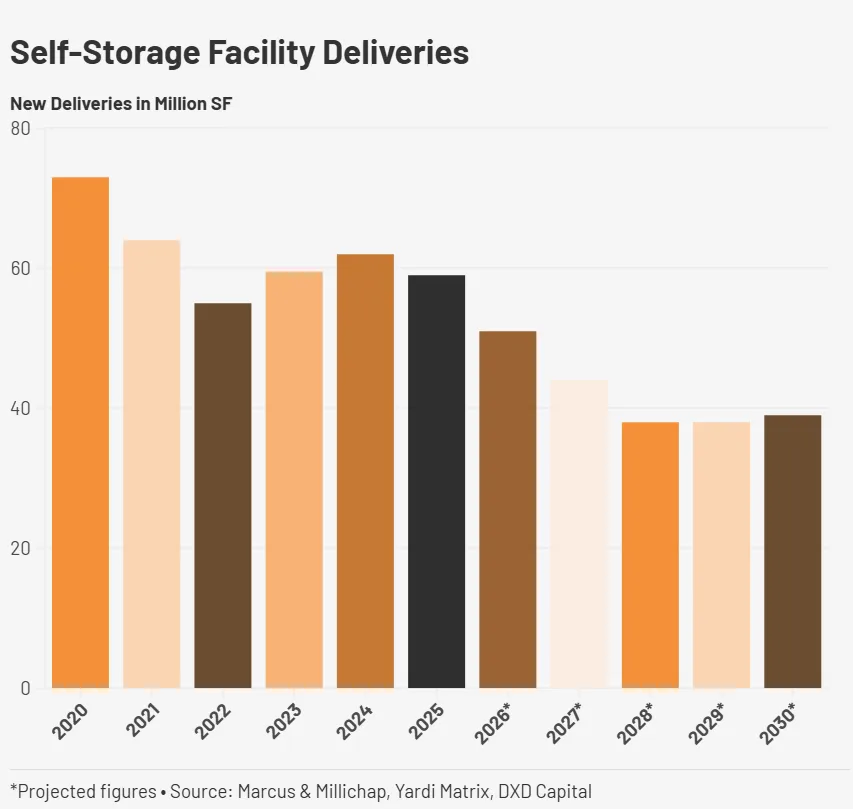
- Development pipeline shrinks, projecting about 51M SF in new deliveries for 2026.
Self-Storage Investors Return
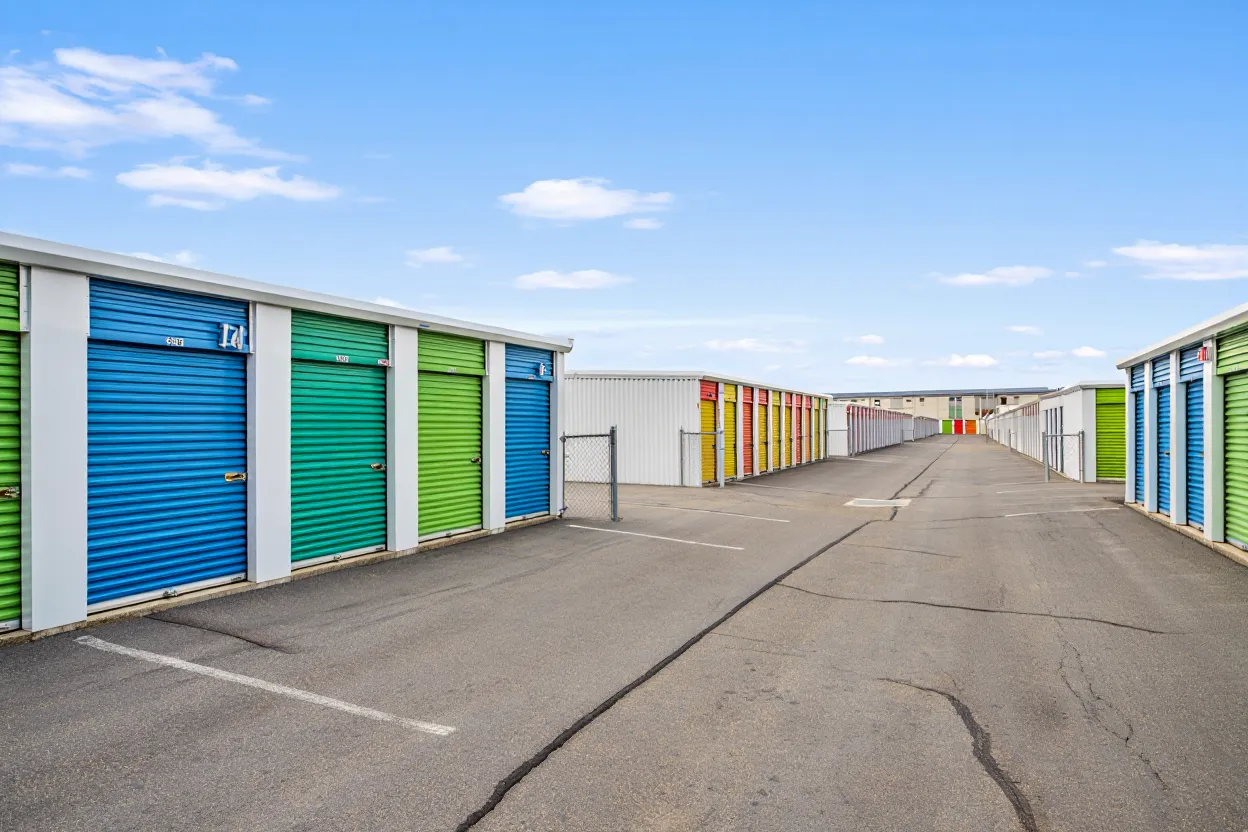
Bisnow reports that the US self-storage sector is showing early signs of recovery after muted rent growth linked to the sluggish housing market. A slowdown in new construction, paired with stable demand, is prompting renewed interest from investors targeting future rental upside. Transaction volume for self-storage properties surged nearly 40% year-over-year to nearly $5B in 2025, according to StorageCafe.
Independent operators and smaller investors represented more than 80% of these sales. Institutional confidence remains strong, highlighted by Public Storage’s $10.5B acquisition of National Storage Affiliates earlier this year.
Occupancy and Rent Trends
Occupancy across the self-storage sector dropped to about 92% as the market aligned with slower housing turnover. Despite a dip from the pandemic high of over 96% occupancy in 2021, self-storage remains resilient. This leveling in performance reflects a broader pattern across the sector, where operators are navigating softer pricing power while fundamentals gradually stabilize. Recent DXD Capital data shows many REITs maintained positive rent growth even as rates leveled off, with Extra Space Storage recording a modest 0.1% increase in 2025.
Industry insiders anticipate a rebound to 1%–2% rent growth this year, while operating expenses now present a bigger headwind than weak demand. Achieved rates averaged $1.80 PSF in late 2025, signaling a focus on driving occupancy rather than aggressive rate hikes.
Demand Drivers and Development Outlook
Millennials and Gen Z are boosting self-storage demand, with usage rates rising notably in recent years. Gen Z renters climbed from 15.8% of the population in 2023 to 16.4% in 2025, while millennials surpassed 20%. More than a third of US homebuyers and sellers rely on self-storage when moving, tying the sector closely to the housing cycle.
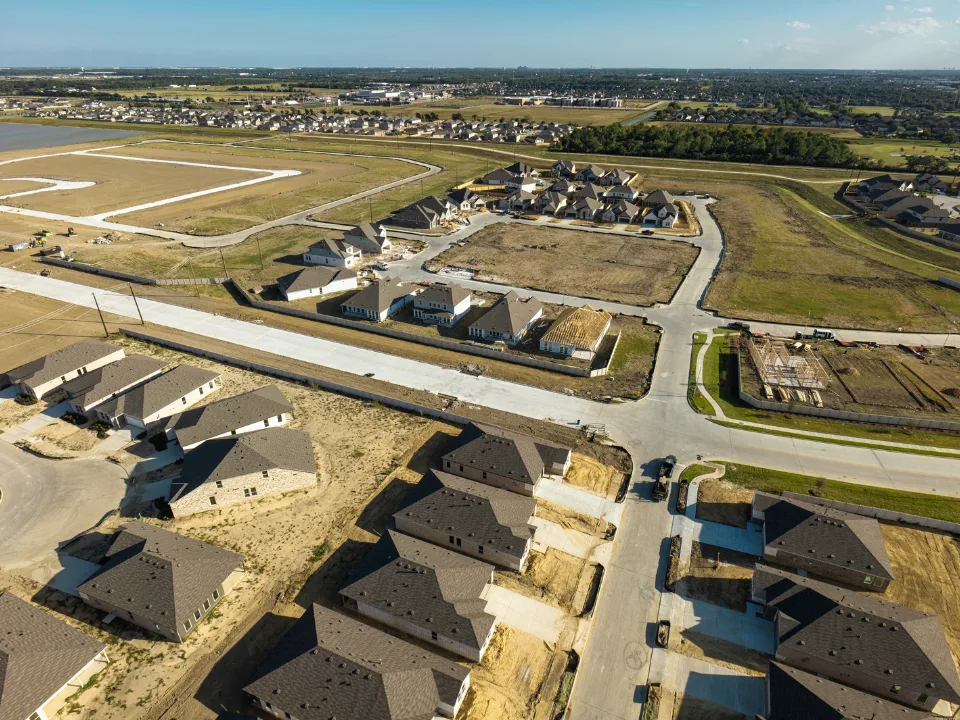
New construction slowed, with the sector’s 2026 delivery pipeline forecast at 51M SF. Urban and suburban infill sites are key development targets as land constraints support future rent growth. Florida, California, and Georgia led the nation in transaction value in 2025, underscoring regional investor momentum amid a tight capital landscape.
What’s Next
With reduced new supply, steady demand, and shifting generational dynamics, the self-storage sector may see rent growth accelerate over the next five to seven years. Investors sense opportunity as the market stabilizes—though capital constraints continue to temper the pace of new deals and development.
Get Smarter about what matters in CRE
Stay ahead of trends in commercial real estate with CRE Daily – the free newsletter delivering everything you need to start your day in just 5-minutes