




- Dollar Tree expanded nearly half its new stores into affluent ZIP codes over the last six years.
- Shoppers earning over $100K made up 60% of 3M new Dollar Tree customers last quarter.
- More than 25% of new stores in 2025 opened in areas with household incomes above $100K.
- Company stock surged 67% year over year, with 2025 revenue projected to rise 10%.
Affluent Areas Attract Dollar Tree
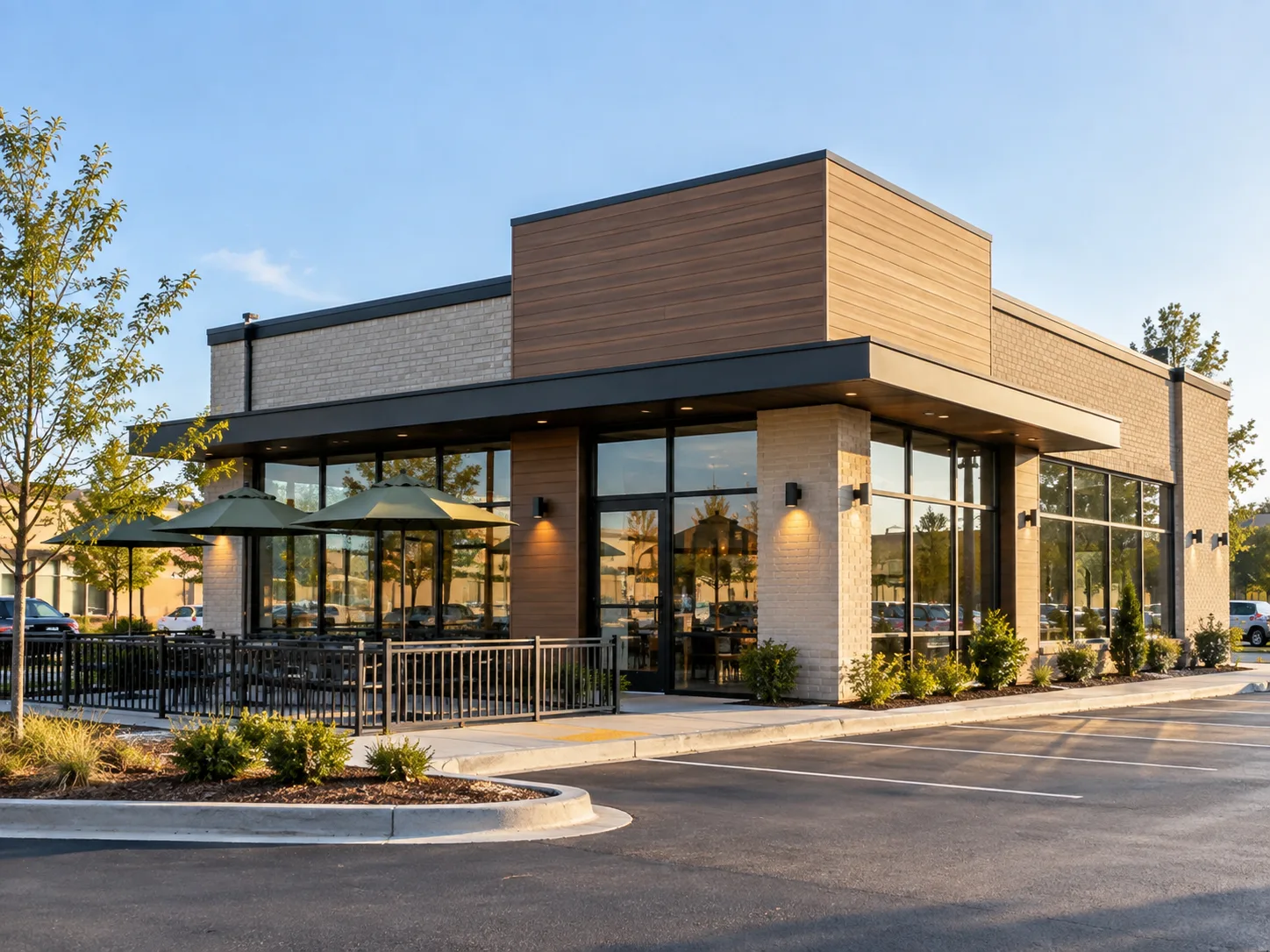
Dollar Tree is accelerating expansion into affluent neighborhoods, opening almost half of its new locations in higher-income ZIP codes over the past six years, per Bisnow. The discount retailer reached a milestone in Plano, Texas, with its 9,000th store, symbolizing its shift toward wealthier, suburban markets. In 2025 alone, a quarter of new Dollar Tree stores launched in areas where median household incomes exceed $100K.
Wealthy Shoppers Drive Growth
Affluent shoppers are fueling Dollar Tree growth. Shoppers with annual incomes over $100K comprised 60% of the chain’s 3M new customers in the latest quarter. While these high-income customers visit less often, they spend $1 more per visit on average. Executives estimate that just one additional visit per affluent shopper could add $1B in annual sales.
Get Smarter about what matters in CRE
Stay ahead of trends in commercial real estate with CRE Daily – the free newsletter delivering everything you need to start your day in just 5-minutes
Capitalizing on Retail Real Estate
Dollar Tree has benefited from retail bankruptcies, acquiring leases from chains like Party City and 99 Cents Only Stores in 2025. The company is renovating over 100 stores and enhancing about 3,000 others to further attract affluent customers. Safety, compliance, and upgrades are central to its strategy in wealthier markets. The expansion comes even as discount retailers navigate moderating sales growth and intensifying competition across the value segment, forcing operators to refine site selection and store formats.
Looking Ahead
As Dollar Tree continues to target affluent areas, its financial performance reflects the shift. Its stock price is up 67% from last year, and projected 2025 revenue marks the company’s fastest growth in nearly a decade. The push into high-income ZIP codes positions the retailer to capture more sales from diverse economic segments.