








- The LIHTC program faced pressure in 2024 from inflation, labor shortages, and higher costs.
- A large share of properties remained under construction or in early lease-up stages, delaying returns.
- One in four stabilized projects reported operating deficits, with a record number added to a performance watch list.
Longstanding Stability Faces New Headwinds
For decades, the Low-Income Housing Tax Credit (LIHTC) program has helped fund millions of affordable rental homes across the US It has served families, seniors, veterans, and others in need. Since 2018 alone, it has delivered over 130,000 units, per Globe St.
But in 2024, that track record started to shift. CohnReznick’s latest report shows how inflation, supply chain delays, and labor shortages strained both finances and timelines across the LIHTC portfolio.
Delays Hit New Projects the Hardest
Projects that closed between 2019 and 2022 faced the biggest challenges. Many experienced construction delays and cost overruns. As a result, investors had to wait longer for returns tied to tax credits.
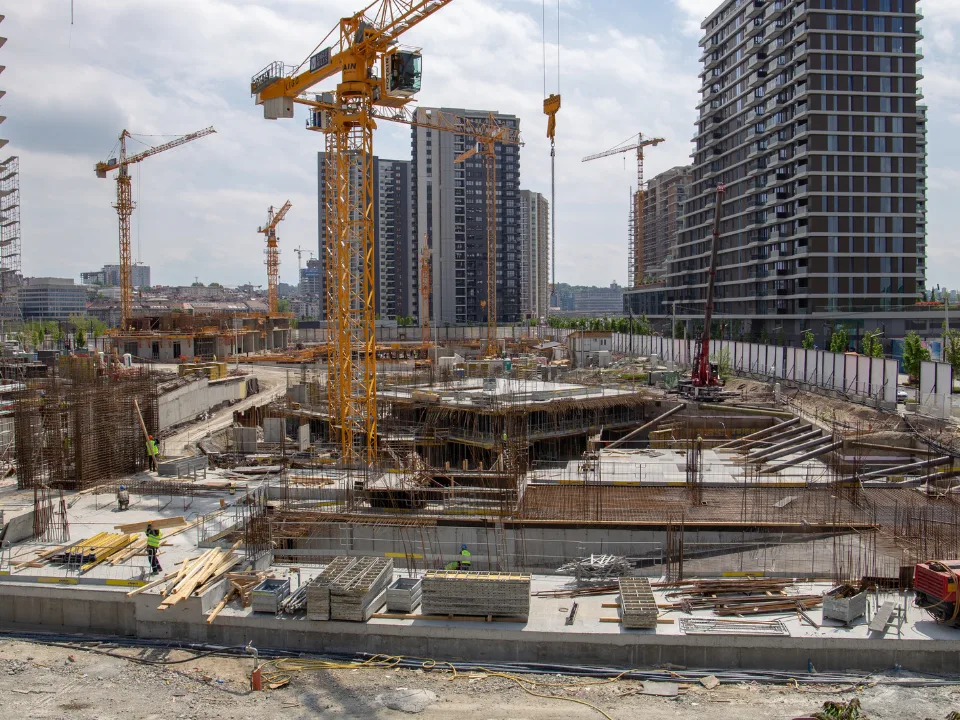
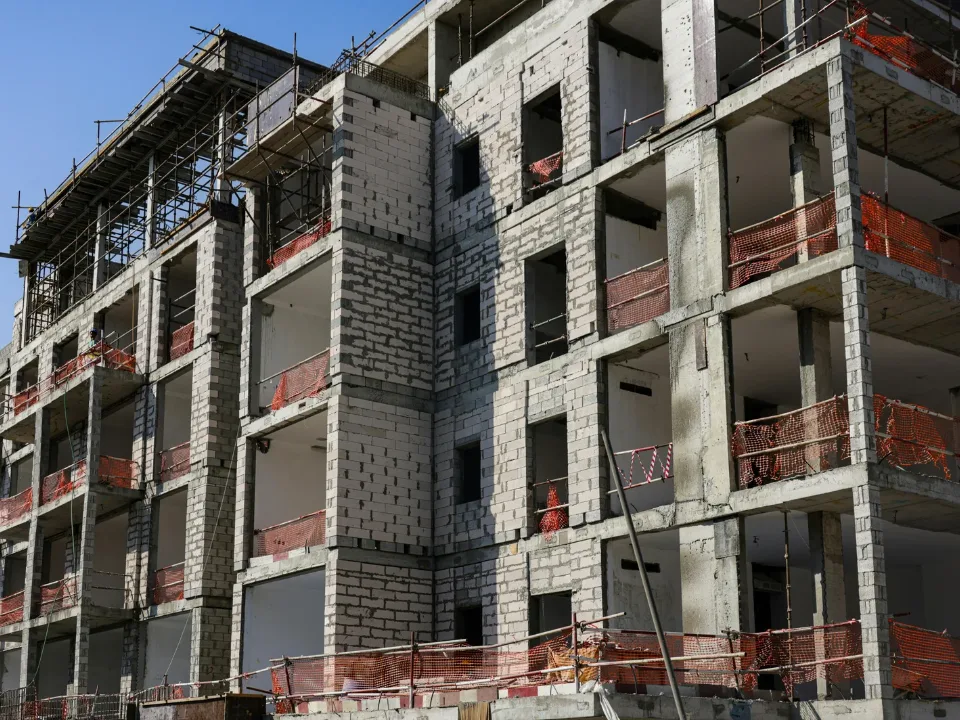
By the end of 2024, only a portion of the portfolio had stabilized. About 31% of projects were still in pre-stabilization. Another 30% were in lease-up, and over 15% were still under construction. These delays pushed the number of early-stage projects to unusually high levels.
Costs Rise Faster Than Rents
Even among completed properties, profits are shrinking. While physical occupancy averaged 97% and debt coverage stood at 1.46, over 25% of stabilized properties still reported operating losses.
CohnReznick found that costs for insurance, payroll, taxes, and maintenance have all gone up sharply. Expenses rose by 10.3% for watch-list properties—well above the average—and even stabilized assets saw nearly 7% increases. These sharp increases reflect broader national trends, as affordable housing costs continue to rise in US cities. That outpaced rent growth and squeezed margins.
Get Smarter about what matters in CRE
Stay ahead of trends in commercial real estate with CRE Daily – the free newsletter delivering everything you need to start your day in just 5-minutes
Watch List Hits a New Record
A record 16.9% of LIHTC properties landed on the watch list in 2024. Most fell into the “C” rating group, which signals the need for closer oversight. Only 2.5% were labeled as higher risk (“D” or “F”), which remains in line with past years.
Still, nearly 25% of all projects failed to break even. CohnReznick noted a sharp rise in debt-servicing problems, especially among newer deals hit hardest by the pandemic’s aftershocks.
Why This Matters
LIHTC has long stood as a dependable public-private model for delivering affordable housing. Built-in protections—like timing adjustors and reserves—help absorb short-term challenges. But in 2024, those buffers faced serious tests.
The report shows a clear shift: stable no longer means immune. Rising costs and longer development timelines are changing what investors and developers can expect.
Looking Ahead
The outlook for LIHTC remains solid, but the pressure is real. As economic challenges persist, stakeholders may need to revisit underwriting assumptions and build stronger cushions into future deals.
This moment could serve as a turning point—one that reshapes how affordable housing projects are financed and managed moving forward.