



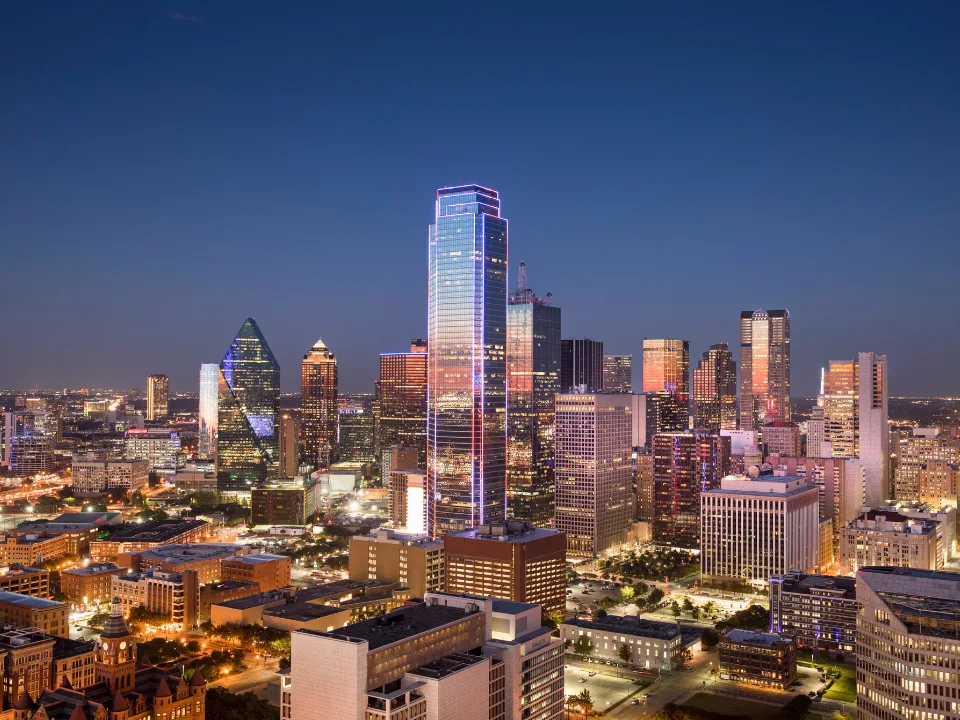



- Rents for the newest trophy office towers in Uptown Dallas have climbed nearly 31% over two years, almost double the metro’s 16% average rent growth, per JLL data.
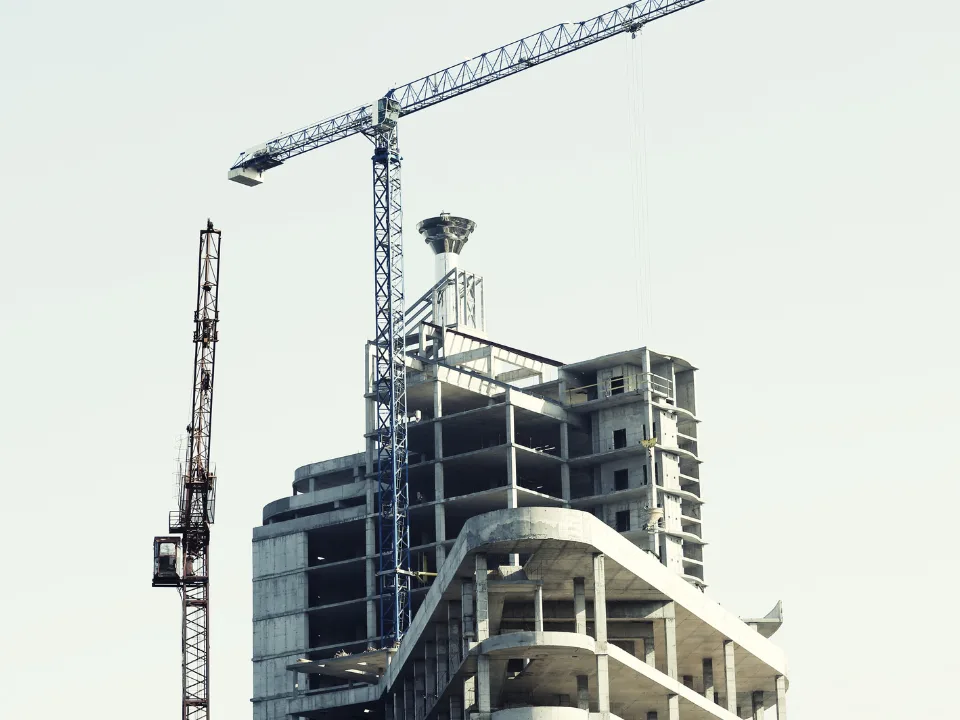
- Uptown now holds 94% of Dallas-Fort Worth’s office development pipeline, with 1.7M SF of Class-A space under construction as Goldman Sachs, Morgan Stanley and the Texas Stock Exchange expand nearby.
- Lenders are requiring 40% to 50% preleasing before funding new construction, signaling that speculative office building will stay limited despite surging tenant demand.
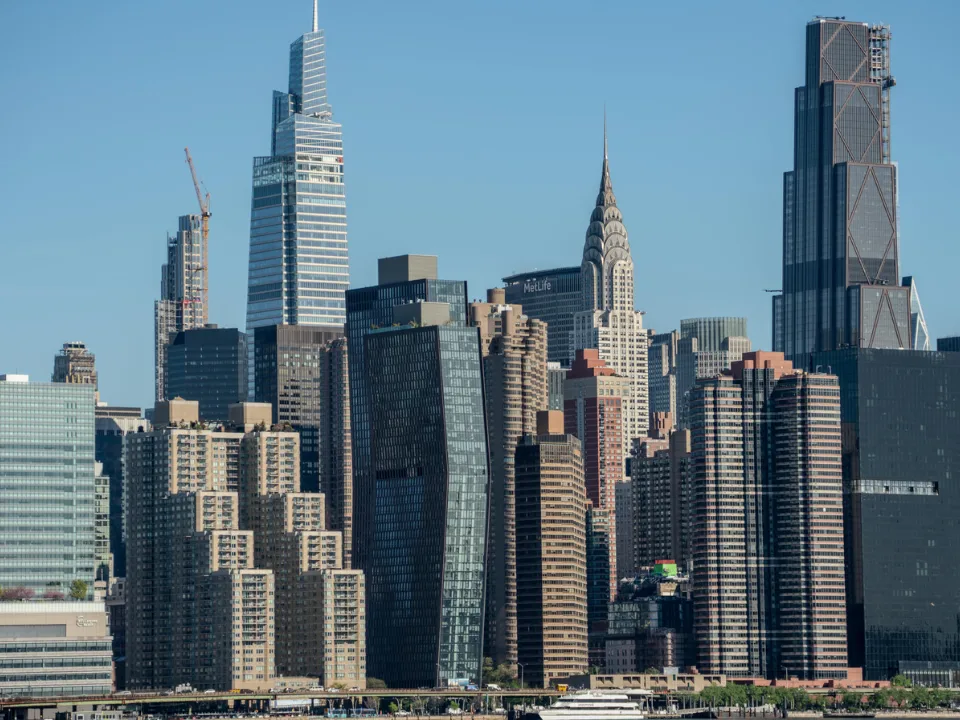
Dallas-Fort Worth’s financial corridor known as Y’all Street has turned Uptown Dallas into North Texas’ priciest office submarket, with rents for the newest trophy towers up nearly 31% over the past two years, according to Bisnow. That growth is almost double the roughly 16% rent increase recorded across the broader Dallas-Fort Worth metro over the same span, per JLL data. Uptown now accounts for nearly 94% of the region’s office development pipeline as tenants chase the highest-quality space available.
Get Smarter About What Matters in Texas
Subscribe to our free newsletter covering the biggest commercial real estate stories across Texas — delivered in just 5 minutes.
How It Started
Uptown’s transformation traces back to the arrival of major financial players seeking a foothold near the Texas Stock Exchange, which launched in the submarket alongside existing outposts for the New York Stock Exchange, Goldman Sachs, Scotiabank and Morgan Stanley. JLL Dallas director of research Micah Rabalais said construction volume likely won’t match the 3M to 4M SF once underway a decade ago, but Uptown should maintain its current pace, with another 1.3M SF potentially delivered by mid-2028.
Y’all Street’s rise has been fueled as much by corporate relocation trends as by any single tenant, with companies increasingly viewing a DFW address as a hedge against the higher costs and taxes of coastal financial centers.
The Details
Uptown/Oak Lawn absorbed almost 537,000 SF in the first half of 2026, nearly three times the next-closest DFW submarket. Average Class-A asking rents there hit $73.60 per SF, well above the metro’s $42.86 average and the $45.87 national average, according to JLL’s second-quarter report. The highest-quality trophy properties built since 2015 now command triple-net leases near $100 per SF. Morgan Stanley signed a temporary 255,000 SF lease at Fountain Place downtown while it awaits a planned $1.3B, 700,000 SF tower at 2401 McKinney Ave., and a roughly 200,000 SF speculative project has broken ground at 2626 McKinney Ave.
The submarket’s 1.7M SF of Class-A construction represents more than 7% of the 23M SF of office space currently underway nationwide, an outsized share for a single Dallas submarket and a sign of how concentrated new office investment has become around Y’all Street specifically.
Zooming Out
The momentum builds on broader gains across Dallas-Fort Worth’s office market, which has outperformed most major metros as companies relocate for lower costs and a deep talent pool. Y’all Street is now home to more than 380,000 financial services professionals, a total trailing only New York, and its pull is drawing international interest, including inquiries from firms in Tokyo and Europe scouting space in the metro.
Wildcat Management CEO Tanya Ragan said she recently hosted a group of investors from Tokyo touring Uptown for potential space, and that her firm regularly fields calls from companies across Europe interested in relocating to Texas, a sign the submarket’s reputation has moved well beyond the U.S. financial industry.
Why It Matters
The submarket’s strength also reflects Dallas’ rise as a financial hub anchored by the Texas Stock Exchange’s launch, which has reinforced the metro’s pitch to relocating firms. JJ Leonard, managing director of Partners Real Estate’s Dallas office, said the momentum feeds on itself as companies follow peers who have already committed to the area, reinforcing Uptown’s position even amid citywide office vacancy pressure from new deliveries.
For landlords and developers elsewhere in DFW, Uptown’s outsized rent growth sets a new ceiling for what trophy product can command in the metro, potentially pulling up asking rents in neighboring submarkets as tenants priced out of Uptown look for comparable alternatives nearby.
What’s Next
Despite strong demand, current capital-markets conditions mean lenders are requiring roughly 40% to 50% preleasing before funding new construction, according to Rabalais, so truly speculative development is likely to stay limited. Brokerages including Partners Real Estate say they’re fielding weekly inquiries from companies seeking Uptown space, suggesting the submarket’s rent premium and construction pipeline should hold through the Texas Stock Exchange’s continued build-out.
Watch for additional preleasing announcements tied to the 2401 McKinney Ave. tower and 2626 McKinney Ave. project as gauges of whether Uptown’s rent growth can keep outpacing the broader metro through 2028.