






- WareSpace purchased an 82,193-square-foot industrial property in Santa Fe Springs for $15.8M, marking its second Southern California acquisition and 25th location nationwide.
- The company plans to convert the vacant building into a flexible warehouse campus with units ranging from 250 to 2,000 square feet for small businesses and logistics users.
- The deal highlights continued investor interest in small-bay industrial assets as larger industrial leasing slows and infill Los Angeles supply remains constrained.
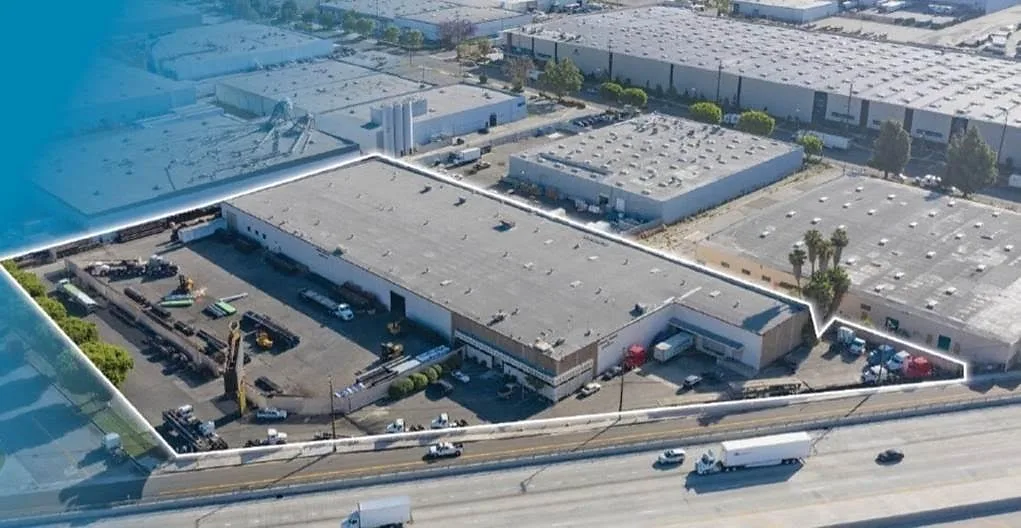
WareSpace is doubling down on Southern California’s small-bay industrial market with a $15.8M acquisition in Santa Fe Springs. The national co-warehousing operator bought an 82,193-square-foot property at 13711 Freeway Drive, expanding further into one of the country’s tightest industrial corridors.
The acquisition marks WareSpace’s second Greater Los Angeles deal following its Orange County purchase in December 2025. It also pushes the company’s national footprint to 25 locations as operators chase growing demand from small businesses priced out of traditional industrial space.
Get Smarter about what matters in CRE
Stay ahead of trends in commercial real estate with CRE Daily – the free newsletter delivering everything you need to start your day in just 5-minutes
A strategic LA infill play:
Santa Fe Springs sits in the Mid Counties industrial submarket, an infill Los Angeles region known for dense logistics activity and limited available supply. The property fronts Interstate 5 near the CA-91 and I-605 interchange, giving tenants direct access to Los Angeles, Orange County, and the San Gabriel Valley.
WareSpace said the 1965-vintage building had previously been targeted for redevelopment by an institutional owner before sitting vacant. Instead of tearing the asset down, the company plans to reposition it into a multi-tenant small-bay warehouse campus serving more than 100 businesses.
The details:
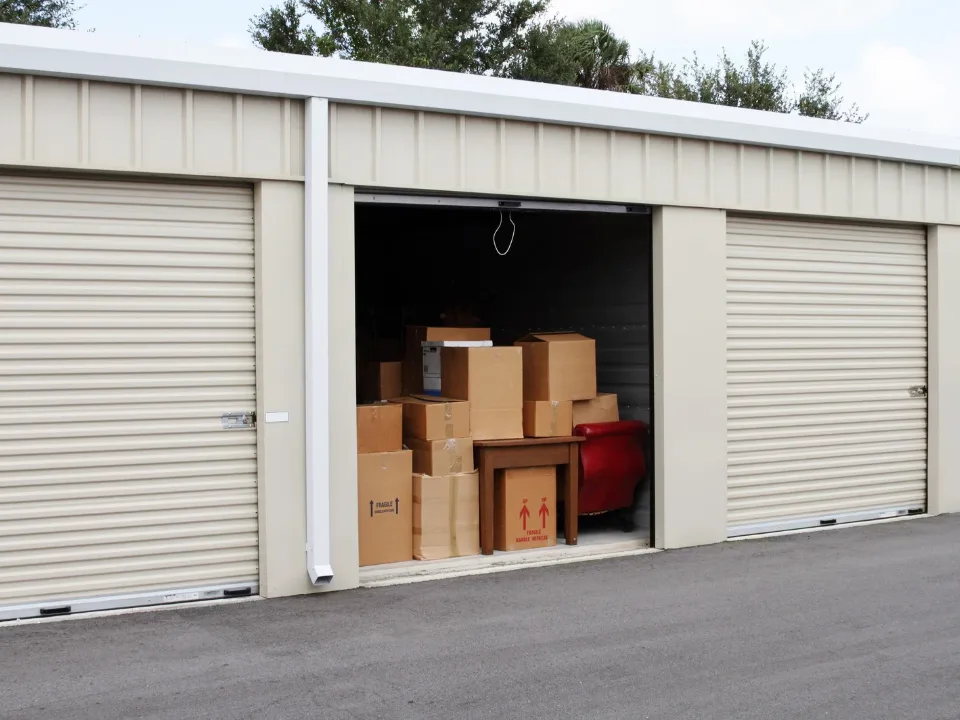
The redevelopment will feature warehouse suites ranging from 250 to 2,000 square feet aimed at logistics firms, trades contractors, residential service providers, and e-commerce operators. The format reflects a growing niche within industrial real estate that caters to smaller tenants needing flexible space without committing to large distribution footprints.
WareSpace co-founder and COO Joseph Ely said Southern California remains one of the most underserved regions for modern small-business warehouse space. CEO Levi Cohen added that many local businesses have been effectively priced out of the communities they helped build as industrial rents climbed across the region.
The company has been expanding aggressively over the past year. In addition to its Orange County acquisition, WareSpace entered the Seattle market in April 2026 and recently expanded in Fort Worth as part of a broader push across major logistics hubs.
Why small-bay industrial keeps attracting capital:
Small-bay industrial has become one of the more resilient segments of the broader industrial market. While large-box warehouse demand has softened in several markets amid slowing port activity and elevated construction deliveries, infill small-unit space continues to post tight vacancy rates due to limited new supply.
Los Angeles remains especially constrained. According to CBRE’s 2026 industrial outlook, infill Southern California submarkets continue to face chronic shortages of functional small industrial inventory despite slower overall leasing activity. High land costs and redevelopment economics also make it difficult to build new small-bay product at scale.
That imbalance has drawn more institutional attention to co-warehousing and micro-bay operators like WareSpace, which specialize in subdividing older industrial properties into smaller, service-oriented spaces. The strategy also aligns with broader growth among small businesses, local logistics operators, and e-commerce sellers seeking closer proximity to consumers.
Why it matters:
The Santa Fe Springs acquisition reflects a larger shift happening inside industrial real estate. Investors are increasingly targeting fragmented, smaller-format warehouse demand rather than relying solely on mega distribution centers tied to national supply chains.
For Southern California, the deal underscores how aging infill industrial stock is being repositioned instead of replaced. That trend could accelerate as developers struggle to entitle new industrial projects in dense urban markets.
What’s next:
WareSpace said additional acquisitions are expected in 2026 as the company expands its co-warehousing platform nationally. Investors will be watching whether more operators enter the small-bay segment as industrial fundamentals normalize and demand for flexible space remains durable.
The Santa Fe Springs redevelopment will also serve as a test case for how effectively older infill industrial buildings can be converted into high-density small-business hubs in one of the country’s most competitive warehouse markets.