




- Simon Property Group reviewed parts of its mall portfolio for potential data center conversions but found no opportunities that justified redevelopment or sale.
- Structural upgrades, power constraints, and growing community opposition remain major barriers to turning retail properties into AI-driven infrastructure hubs.
- While some struggling malls have successfully transitioned into data centers, Simon’s comments suggest top-tier retail owners still see stronger long-term value in traditional mall operations.
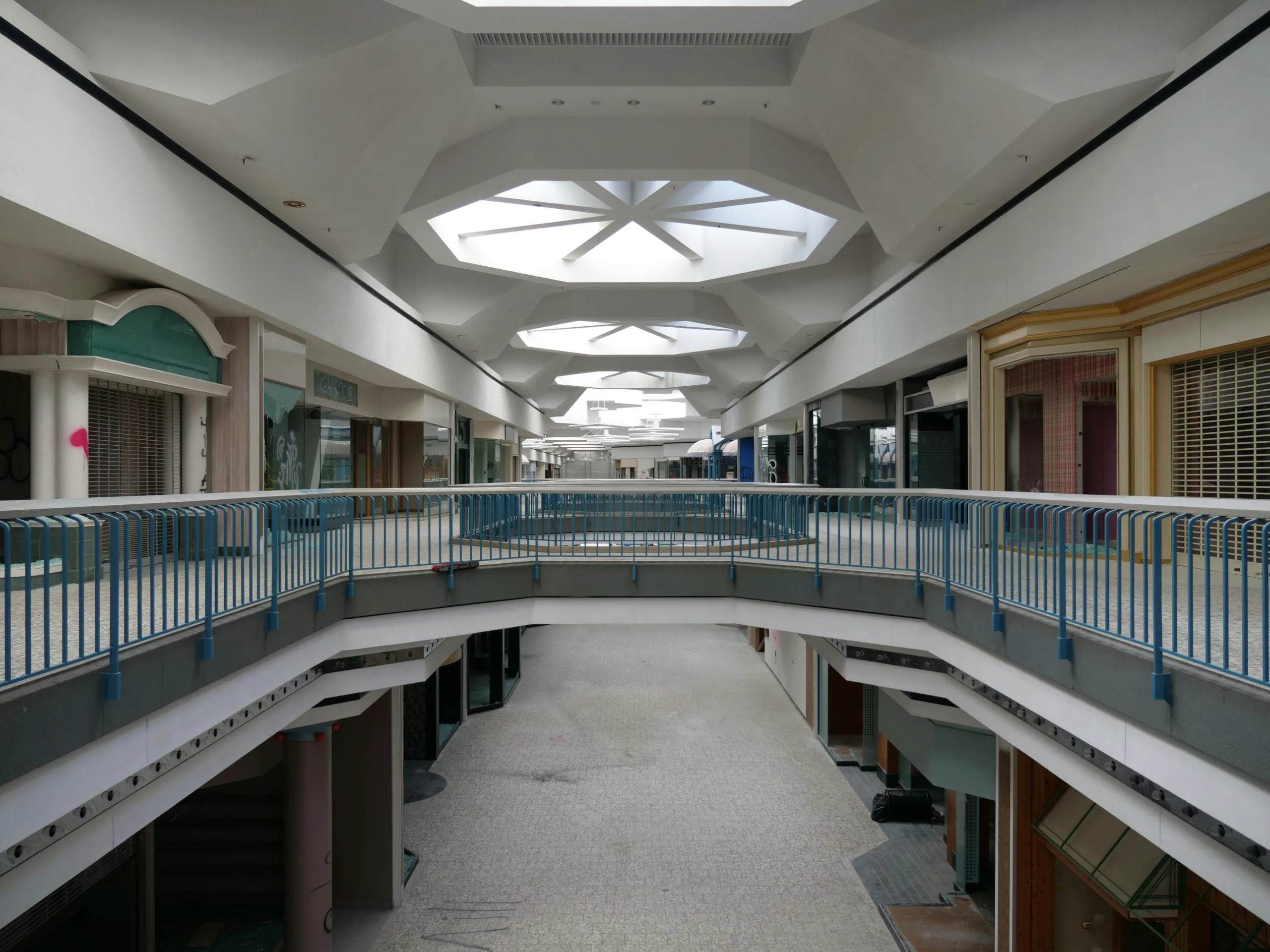
According to CoStar, Simon Property Group may be the nation’s largest mall owner, but it isn’t rushing to turn shopping centers into server farms. During the REIT’s Q1 2026 earnings call, President and CEO Eli Simon said the company explored converting underperforming malls and excess land into data centers as AI demand accelerated, but ultimately found no deals that made financial or operational sense.
The comments highlight a growing question across commercial real estate: whether aging retail properties could become the next wave of digital infrastructure. For now, Simon Property appears unconvinced.
Get Smarter about what matters in CRE
Stay ahead of trends in commercial real estate with CRE Daily – the free newsletter delivering everything you need to start your day in just 5-minutes
Testing the Mall-to-Data-Center Thesis
Simon said the REIT began reviewing its portfolio roughly 18 months ago, focusing on lower-growth malls and sites with excess land that might support data center development. The company held discussions with multiple data center operators but walked away without identifying a viable path forward.
The hesitation stands out as investors aggressively chase data center opportunities tied to artificial intelligence growth. AI workloads have fueled record demand for power-intensive facilities, pushing developers and private equity firms to search for unconventional sites with scale and existing infrastructure.
Still, Simon’s conclusion suggests even large retail landlords see significant friction in repurposing malls for digital infrastructure.
The Details Behind the Challenge
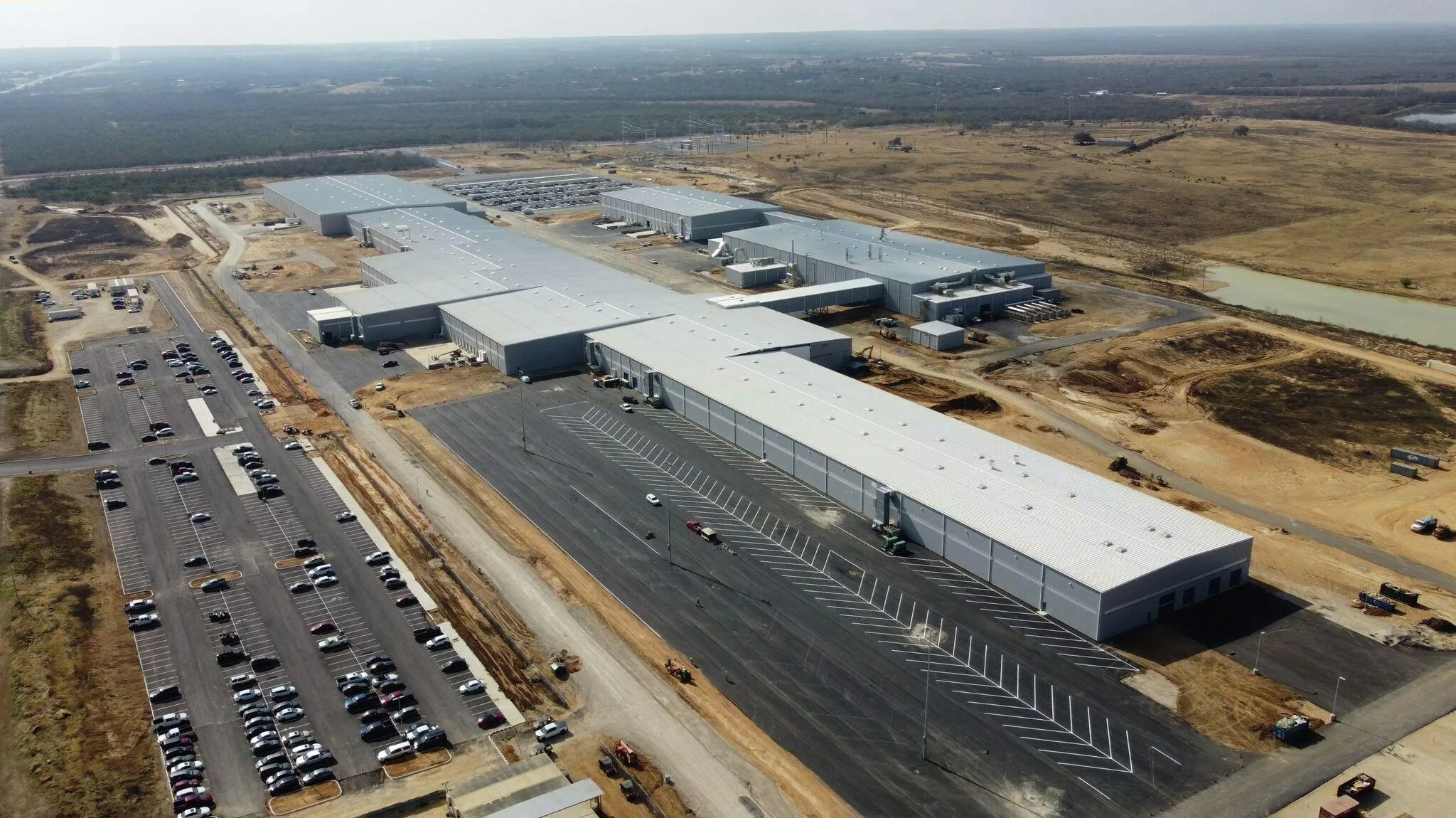
At first glance, malls appear to check several boxes for data center operators: large footprints, suburban locations, parking fields, and access to transportation corridors. But the technical requirements are far more demanding than a standard retail retrofit.
Most malls lack the electrical capacity, cooling systems, and structural reinforcement required for modern AI data centers. Retrofitting those systems can be prohibitively expensive, particularly for enclosed malls designed decades before hyperscale computing became a real estate category.
Community opposition has also emerged as a growing risk factor. Residents in Kenilworth, New Jersey, have protested CoreWeave’s proposed AI data center redevelopment at Merck’s former campus, while officials in Andover, New Jersey, are considering ordinances to ban AI-focused data centers altogether.
Simon also signaled that its portfolio may simply generate more value as retail. The REIT owns some of the country’s highest-performing malls, including Roosevelt Field on Long Island, giving it less incentive to pursue speculative alternative uses.
A Few Mall Conversions Are Gaining Traction
Even if Simon Property is staying on the sidelines, several retail-to-data-center conversions are already underway across the US.
In Indianapolis, the former Eastgate Consumer Mall became a data center and office campus. Baton Rouge’s shuttered Bon Marché Mall was redeveloped into the Bon Carré Technology Center. Elsewhere, former department store boxes are increasingly being repurposed for digital infrastructure. A former Boscov’s at Marley Station Mall in Maryland now operates as an AiNET data center, while a vacant Sears at Ohio’s Indian Mound Mall supports electrician training tied to data center demand.
The trend aligns with broader retail repositioning strategies. In a 2025 Cushman & Wakefield report, executive managing director Richard Latella noted that some Class-B malls are already transitioning into logistics or technology-oriented uses as e-commerce reshapes consumer behavior.
Still, these examples remain relatively limited compared with the broader mall universe.
Why It Matters
Simon Property’s comments underscore an important distinction in today’s CRE market: not every obsolete retail asset automatically becomes a viable data center site. While AI infrastructure demand continues to surge, power availability, redevelopment costs, zoning hurdles, and community resistance can quickly derail conversion economics.
The remarks also reflect the widening performance gap within retail real estate. Top-tier mall owners like Simon continue to generate strong leasing demand and tenant sales, reducing pressure to pursue alternative uses. The company has instead focused heavily on redeveloping and upgrading lower-performing malls to attract higher-paying tenants and boost rents across its portfolio. Lower-tier malls, however, may increasingly explore data centers, logistics, healthcare, or mixed-use redevelopment as traditional retail traffic weakens.
For data center developers, Simon’s experience is another reminder that suitable sites remain scarce even as capital floods the sector.
What’s Next
Simon Property isn’t ruling out future opportunities entirely. Eli Simon said the REIT continues to evaluate “mini” or micro-data-center concepts and would consider asset sales if pricing justified reallocating capital elsewhere.
As AI demand drives further expansion by hyperscalers and cloud providers, more retail landlords will likely test whether struggling malls can support digital infrastructure. But unless power access improves and redevelopment economics become more favorable, large-scale mall data centers may remain the exception rather than the rule.