




- Vornado Realty Trust and Aurora Capital Associates secured a $161M refinancing for 61 Ninth Ave., a fully leased Class A office property in Manhattan’s Meatpacking District.
- The new loan replaces a prior $167.5M mortgage after the owners negotiated a seven-month extension and reduced the balance by $12.5M earlier this year.
- The deal highlights continued lender appetite for stabilized, high-quality Manhattan office assets even as refinancing pressure mounts across the broader office sector.
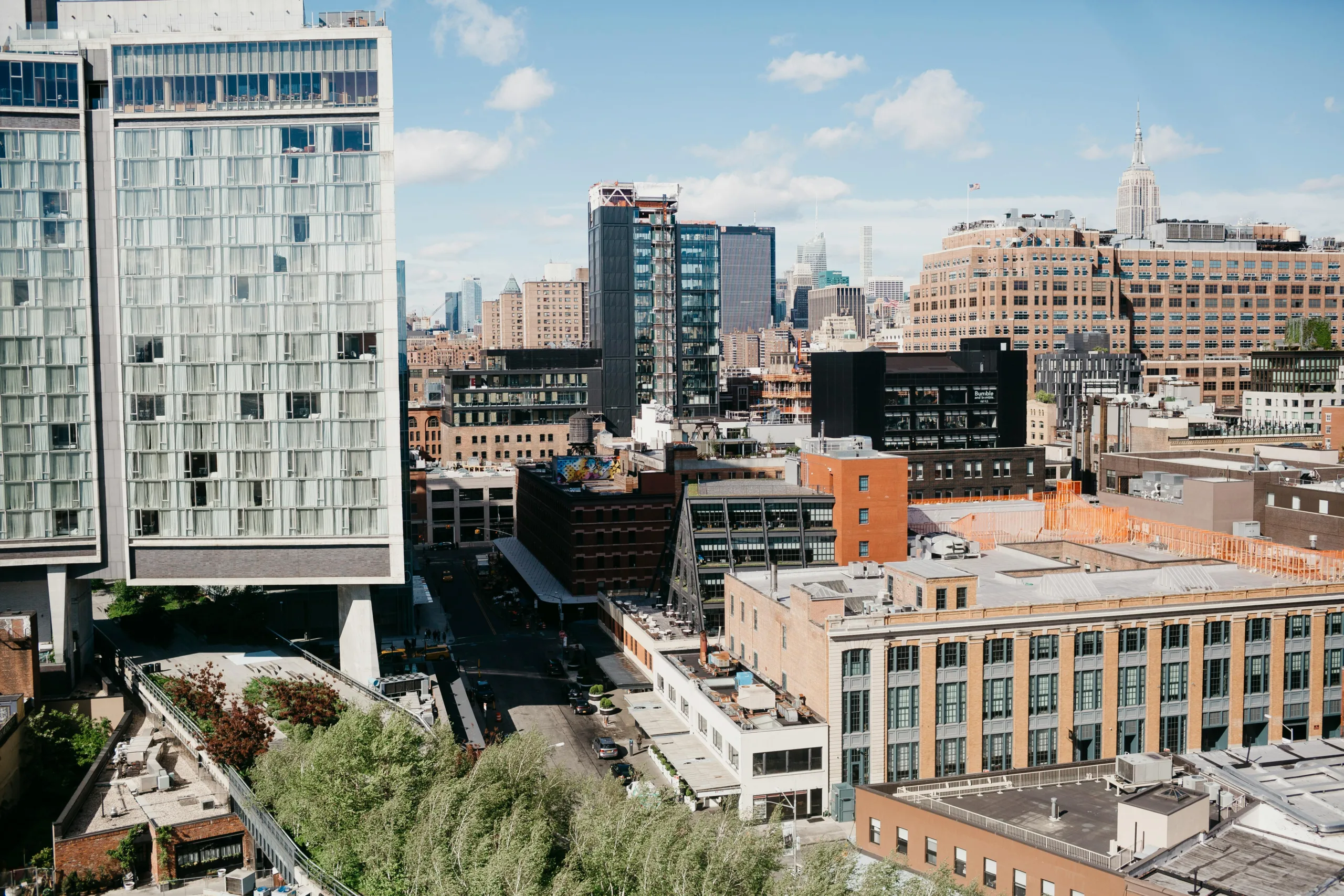
The Commercial Property Executive reports that Vornado Realty Trust and Aurora Capital Associates closed a $161M refinancing for 61 Ninth Ave., a 194,000-SF office and retail property in Manhattan’s Meatpacking District. The financing replaces an existing mortgage that the ownership group extended earlier this year as office landlords across the country grapple with looming maturities and tighter capital markets.
The nine-story property sits at the intersection of Manhattan’s office recovery and lender selectivity. While weaker office assets continue to face distress, fully leased Class A buildings in prime submarkets are still attracting competitive financing terms.
Get Smarter about what matters in CRE
Stay ahead of trends in commercial real estate with CRE Daily – the free newsletter delivering everything you need to start your day in just 5-minutes
A Meatpacking Office With Stable Cash Flow
Completed in 2018, 61 Ninth Ave. includes roughly 174,000 SF of office space and 20,000 SF of retail. The LEED Gold-certified property features rooftop amenities, bike storage, and three passenger elevators.
Health insurer Aetna fully occupies the office portion of the building, while the retail component houses one of the world’s largest Starbucks locations, according to Yardi Matrix. The property is located one block from the 14th Street subway station near Eighth Avenue and close to Route 9A, giving it direct access to both Midtown and Downtown Manhattan.
The refinancing loan matures in March 2029 and carries a stepped interest rate structure: 3% in the first year, 3.35% in the second year, and 3.85% for the remainder of the term.
The Refinancing Reset
The new loan replaces a previous $167.5M non-recourse mortgage tied to the property. Public records cited by Commercial Property Executive show Vornado and Aurora extended that loan by seven months in February 2026. The partners also cut the outstanding balance by $12.5M to $155M before closing the refinance.
Office owners across the country now face mounting refinancing pressure from loans issued during the low-rate era. At the same time, many landlords struggle to secure replacement financing. Lenders continue to closely examine occupancy, lease rollover risk, and tenant quality as property values reset.
A Tale Of Two Office Markets
Manhattan’s office market continues to split between trophy assets and commodity office buildings. CBRE’s Q1 2026 Manhattan office report showed demand concentrated in newer buildings with strong amenities, transit access, and high-credit tenants.
That trend continues to support refinancing activity for top-tier office properties. Earlier this week, Brookfield Properties secured a $1.9B refinancing for Two Manhattan West. The 2M-SF office tower sits farther north along Ninth Avenue in Chelsea. The deal adds to growing signs that lenders remain active in New York’s office market despite broader distress concerns and upcoming maturities.
Trepp Connect conference speakers recently said lenders still compete for institutional-quality office assets. However, distress continues rising across weaker parts of the office sector.
Why It Matters
The 61 Ninth Ave. refinancing underscores how capital continues flowing toward stabilized Manhattan office properties with durable income streams. For lenders, fully leased buildings backed by investment-grade tenants still represent financeable collateral despite elevated uncertainty across the office market.
The deal also reflects how owners are proactively restructuring debt before maturity walls intensify. Office landlords that can inject equity, reduce leverage, and demonstrate tenant stability are generally finding better access to refinancing options than peers with vacancy exposure.
What’s Next
More Manhattan office refinancings are likely to emerge through the second half of 2026 as landlords address loans originated before interest rates surged. Market watchers will be closely tracking whether lender appetite remains concentrated in trophy assets or broadens into older Class A inventory as leasing conditions stabilize.
For now, transactions like 61 Ninth Ave. suggest the financing window remains open for well-leased office properties in premier New York submarkets — even if the broader office recovery remains uneven.