



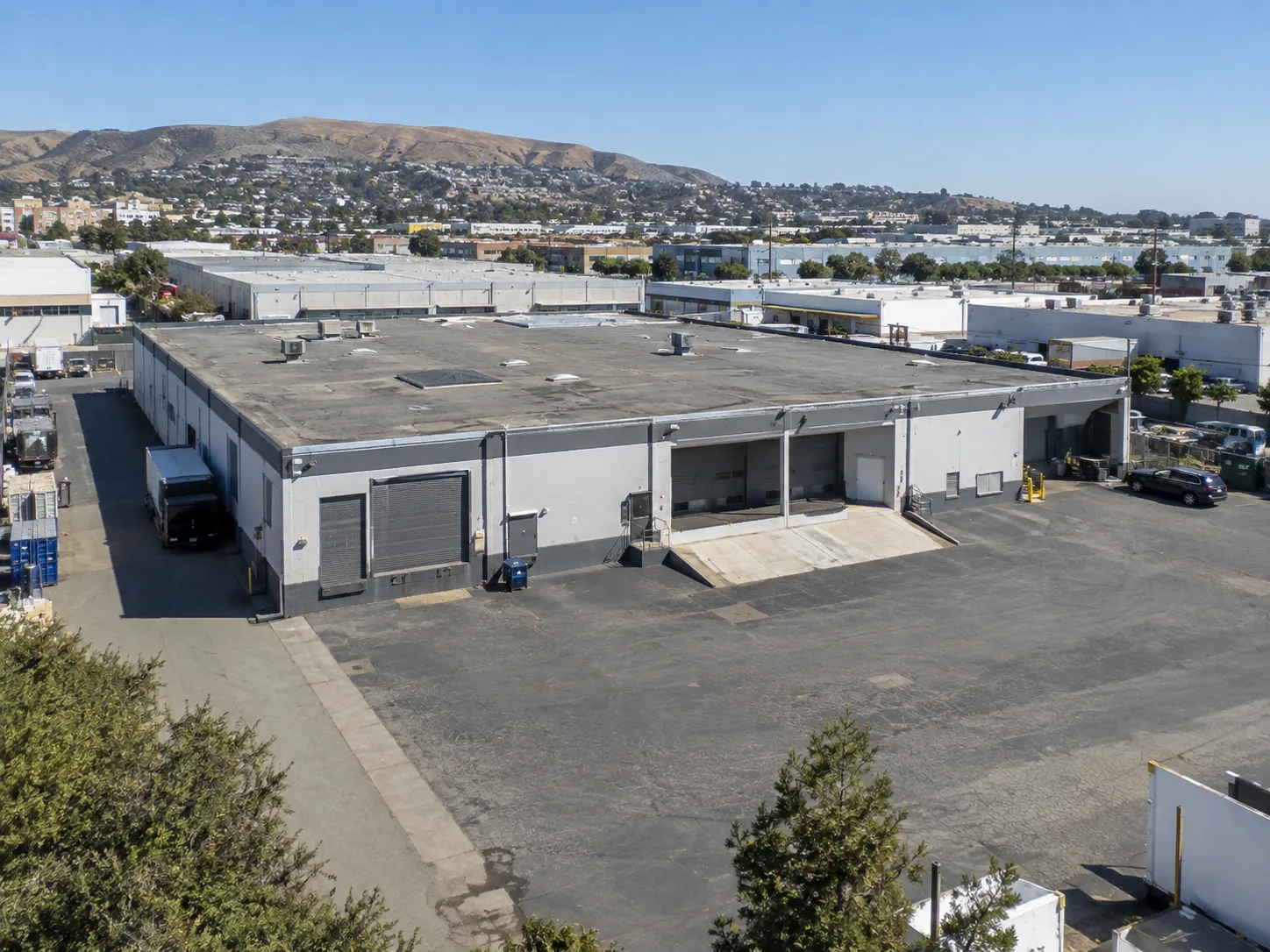
- WareSpace bought 161 Starlite St. for just over $16M and plans to spend several million dollars on the conversion.
- The 64K SF building will be divided into 86 move-in-ready industrial suites ranging from 200 SF to 2K SF.
- CBRE put Peninsula industrial vacancy at 5.6% in Q2, while Bisnow found only two South San Francisco listings at 2K SF or less.
Bisnow reports that WareSpace is converting a 64K SF South San Francisco industrial building into 86 microbay suites. Its coverage of WareSpace’s Bay Area expansion details the company’s first local acquisition. The 161 Starlite St. acquisition is WareSpace’s first in the Bay Area. It extends a flexible industrial model already used across several major US metros.
Get Smarter about what matters in CRE
Stay ahead of trends in commercial real estate with CRE Daily – the free newsletter delivering everything you need to start your day in just 5-minutes
The Details
WareSpace paid just over $16M for the 1965-built, single-story property, CEO Joseph Ely told Bisnow. The company expects to spend several million dollars more renovating and subdividing the building. Planned suites will range from 200 SF to 2K SF and will be delivered move-in ready.
The company already operates 34 industrial properties totaling more than 3.2M SF. Its portfolio spans markets including Austin, Atlanta, Houston, Seattle and Chicago. The South San Francisco project brings that operating model to the Peninsula for the first time.
Small-Space Supply Is Tight
The project targets a small-bay industrial segment with unusually limited space in South San Francisco. Bisnow said a LoopNet search found only two available spaces of 2K SF or less in the city. CBRE data cited by Bisnow put Peninsula industrial vacancy at 5.6% in Q2.
South San Francisco accounts for 15.1M SF of the Peninsula’s 35.1M SF industrial inventory, according to CBRE. At the same time, obsolete office and industrial properties across the Peninsula are being targeted for multifamily redevelopment. WareSpace is taking the opposite approach by preserving an older industrial building and subdividing it for smaller users.
Ely linked the shortage to a broader loss of small commercial spaces as older buildings are redeveloped or fill up. WareSpace is betting that preserving this property for industrial use can serve businesses that are too small for conventional warehouse options.
Why It Matters
WareSpace bundles shared racking, loading docks, utilities, WiFi, security, trash and cleaning into a flat monthly bill, according to Bisnow. The company targets contractors, service firms, distributors, e-commerce operators and other small businesses that may not need a conventional warehouse lease.
Leases run for six or 12 months, and Ely said tenants can increase or reduce their footprint as business needs change. The existing building lets WareSpace reuse restrooms, office areas, loading docks and drive-in doors. That reduces the infrastructure needed from scratch.
The model is designed to remove several operating hurdles for small tenants. Instead of separately arranging utilities, security, cleaning and warehouse equipment, users receive those services within one package. Ely said that structure makes the space easier to occupy quickly. It also gives businesses more flexibility as storage and operating needs change.
What’s Next
Four tenants currently occupy the building and will move out before WareSpace guts the warehouse and divides it into private suites. WareSpace is finalizing development plans and expects to bid the project once it secures approvals and permits.
Bisnow reported a Q2 2027 opening target, although Ely said the schedule could move. He pointed to zoning and compliance requirements, plus heavy permitting demand tied to AI-related transactions and power upgrades, as possible sources of delay.
Ely said the physical build-out itself should move quickly after approvals because much of the original infrastructure can remain. The less predictable part is the entitlement process. He said Bay Area building departments are handling heavy plan volume tied to AI-driven property purchases and power upgrades.