






- US retail vacancy remained at 4.4% in Q2 2026, showing market stability despite economic headwinds.
- Net absorption rebounded to 10.2M SF, with value-oriented and experiential retailers driving leasing activity.
- Limited new supply and resilient consumer demand are keeping rents firm and positioning the sector for continued strength.
Retail Resilience Defies Market Pessimism
US retail fundamentals stayed on solid footing in Q2 2026, even as the wider economy faced ongoing uncertainty. According to the latest report by Colliers, shoppers continued to seek value, convenience, and experiences, fueling consistent demand for retail space. Against concerns about discretionary spending, tenants remained active, and leasing strengthened—underscoring the sector’s resilience relative to other asset classes.
This strong performance has been underpinned by a historically tight pipeline for new supply, supporting healthy market balance and giving landlords increased pricing power. With vacancy rates hovering at near-historic lows and tenants competing for quality storefronts, the retail sector has outperformed expectations and attracted attention from both national and regional investors.
Get Smarter about what matters in CRE
Stay ahead of trends in commercial real estate with CRE Daily – the free newsletter delivering everything you need to start your day in just 5-minutes
The Details
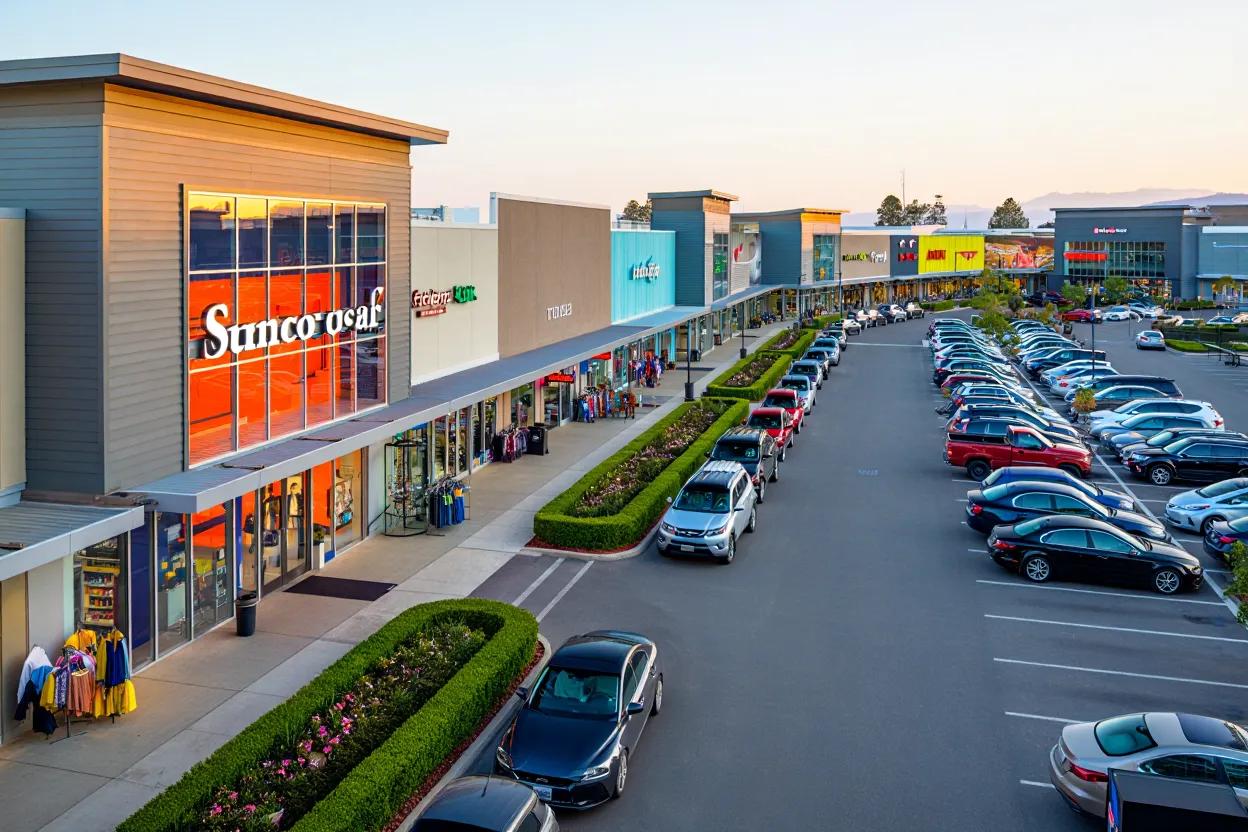
National retail vacancy held steady at 4.4% in Q2, reflecting strong tenant demand. Open-air shopping centers continued to lead performance, with vacancy unchanged at 5.5%. Meanwhile, mall vacancy fell 30 basis points quarter over quarter to 8.5%.
Leasing activity accelerated after a slow start to the year. Net absorption reached 10.2M SF in Q2. General retail led with 7M SF, followed by shopping centers at 1.7M SF and malls at 1.6M SF.
Retailers pursued flexible formats across freestanding buildings and mixed-use projects. Many also targeted single-tenant assets and adaptable footprints. At the same time, limited small-format availability intensified competition in urban and suburban markets.
Development Constraints Shape Market Dynamics
Developers continue to face high construction costs and financing challenges. As a result, speculative development remains limited across most markets.
The pipeline totaled 56.1M SF, while developers delivered 8.7M SF during Q2. Most projects focused on build-to-suit, grocery-anchored, or small-format retail formats.
Construction activity remained concentrated in high-growth Sun Belt markets. Dallas-Fort Worth led with 7.7M SF underway, followed by Houston at 4.3M SF and Austin at 3.3M SF. This concentration keeps supply uneven and supports pricing in undersupplied markets.
Retail landlords benefited from these supply constraints. Average asking rents rose to $26.02 PSF, up 0.5% from the previous quarter. Although rent growth has slowed from post-pandemic peaks, limited supply continues supporting healthy fundamentals.
Consumer Resilience Drives Retail Strength
Consumers stayed active during the second quarter, with retail foot traffic rising 2.2% nationally. Value-focused retailers outperformed the broader market. Visits to discount and dollar stores increased between 7.7% and 9.2%.
Department stores and apparel retailers also posted solid gains. Both categories recorded 4% to 7% more visits than a year earlier.
This spending resilience mirrors trends across other property sectors that continue attracting capital despite economic uncertainty.
The experiential segment regained momentum during the quarter. Theaters and music venues posted a 27.4% traffic increase in June, despite softer trends earlier in the quarter.
Consumer demand remained resilient even as gasoline prices climbed sharply. Prices rose 21.2% in April and another 25.4% in May. Higher transportation costs did not derail spending activity. Instead, consumers became more selective with discretionary purchases.
Investors have taken notice of the sector’s resilience. Retail continues to generate stable cash flow while adapting to changing consumer preferences and economic conditions.
What’s Next
The US retail outlook remains constructive entering the second half of 2026. Limited new supply, steady retailer expansion, and durable consumer demand should support market stability.
Leasing activity should remain healthy, especially for small-format and grocery-anchored properties in strong locations. If developers maintain discipline and consumers continue prioritizing value, retail should outperform more volatile CRE sectors.