




- Governor Kathy Hochul signed New York’s first statewide data center moratorium, stalling $10B in projects.
- The one-year freeze targets facilities over 50 MW and suspends permitting for projects not yet approved.
- The pause signals heightened state scrutiny and could impact data center economics and regional AI ambitions.
Regulatory Push Brings a Fast-Growing Sector to a Halt
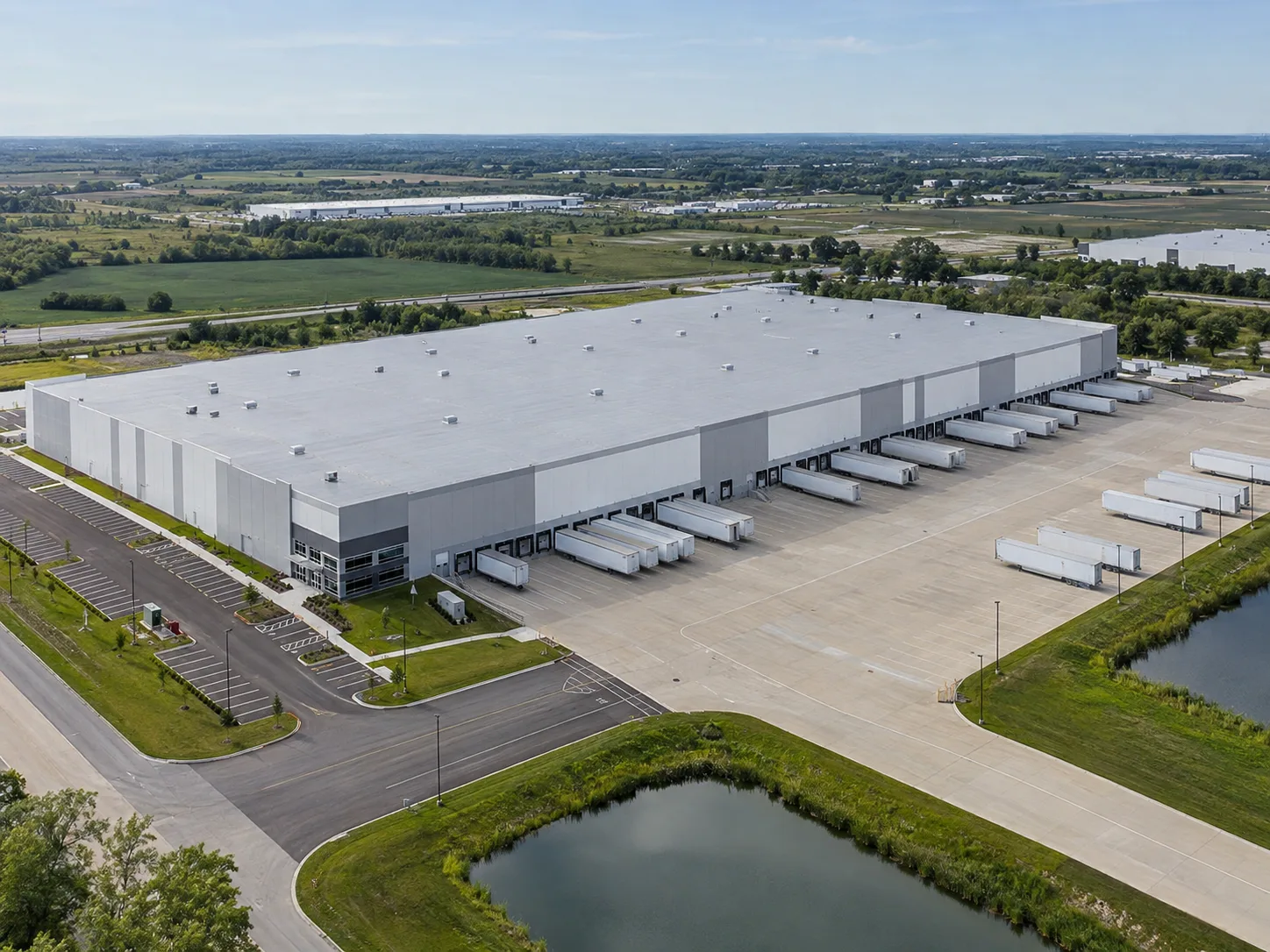
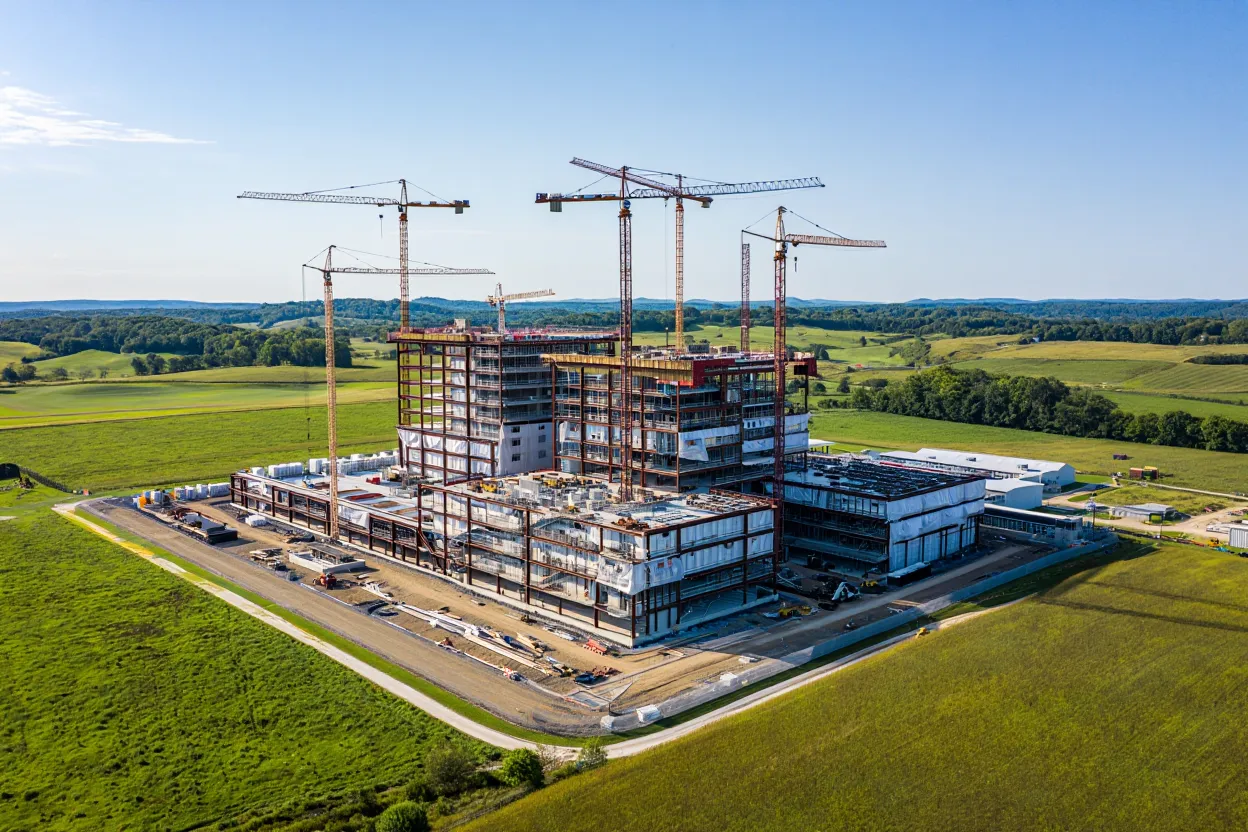
New York Governor Kathy Hochul implemented a statewide halt on data center development Tuesday, making New York the first state to put large-scale projects on ice. Bisnow reports that the executive order freezes permits for one year for new data centers designed for at least 50 megawatts (MW) of capacity—aiming primarily at “hyperscale” facilities, many of which exceed 100 MW per project.
This move comes at a moment when New York has over $10B of planned data center investment and nearly 12,000 MW of load requests queued with the New York Independent System Operator. For context, more than two-thirds of this demand is scheduled for 2025, underscoring how rapidly operators, hyperscale cloud providers, and AI infrastructure builders have been pursuing growth. The state will use the time to study effects on energy markets and communities, potentially reshaping how these massive facilities integrate with the electrical grid and local economies.
Get Smarter About What Matters in New York
Subscribe to our free newsletter covering the biggest commercial real estate stories across the five boroughs — delivered in just 5 minutes.
The End of a Data Center Expansion Run
The executive order lands as New York’s data center sector sits at a crossroads. For years, high commercial electricity rates—second only to Hawaii, according to JLL—kept most hyperscale development away from the state. Recent years, however, saw a policy shift with New York offering billions in tax credits and funding in a bid to anchor AI and advanced manufacturing in-state.
Semiconductor giant Micron’s recent $100B commitment and IBM’s R&D initiatives are key examples. But the rapid influx of power-hungry projects—driven by accelerated demand for AI computation and cloud storage—sparked debate over their community and environmental impacts and whether existing regulatory frameworks can keep up.
The Details
Under the terms of the executive order, New York’s Department of Public Service must form a working group within 60 days to study and advise on the technical, physical, and policy challenges of connecting multi-megawatt data centers to the grid. Projects over 50 MW that have not yet received all approvals will not be able to move forward unless the review process concludes early. The state’s Department of Environmental Conservation is directed not to issue discretionary permits to new or pending facilities unless they are already near completion.
A community investment framework, to be established by Empire State Development, will roll out within the same 60-day window. Local governments are expected to leverage this playbook to negotiate for infrastructure upgrades, childcare funding, direct community payments, prevailing wage guarantees and workforce development—with labor unions included at the bargaining table for project labor agreements.
Rising Load Requests and Competitive Pressures
According to Hochul’s office, more than 8,000 MW of new data center load requests entered New York’s interconnection queue in 2025 alone—a signal of surging appetite from national cloud and AI infrastructure players. That demand wave has already started reshaping capital strategies, with major investors seeking new ways to gain exposure to AI infrastructure growth without taking on development risk.
By comparison, traditional power plant proposals rarely match this velocity. Industry stakeholders have warned the 50 MW threshold is too low, since new hyperscale data centers often require much more capacity. Many argue that a blanket ban risks pushing tech investment to neighbor states with less regulation or lower energy costs.
The move also runs counter to New York’s recent attempts to lure advanced manufacturing. Hochul’s July visit to Micron, which is pouring the foundation for a $100B semiconductor campus in Central New York, underscored the state’s ambition to attract tech and AI employers—even as it now clamps down on datacenter construction, which underpins those very sectors.
Why It Matters
New York’s one-year moratorium signals a potential economic and policy reset for the data center sector—one of CRE’s most aggressive growth engines in the last five years. The $10B development pipeline now faces indefinite delays unless regulators create a new path forward. This temporary halt follows warnings that new large-load users could drive up energy rates for residents and businesses. Earlier this year, Hochul instructed regulators to require data centers to pay higher rates or supply their own power, reflecting mounting concern about grid stability and public cost impacts.
With planned capacity additions totaling almost 12 gigawatts, New York’s ban will reverberate through national data center supply chains. According to JLL, New York already has some of the highest commercial electricity rates in North America, making operators wary of committing capital. The state’s moratorium could end up accelerating site selection, permitting, and pricing competition in rival markets like Virginia, Texas, and Ohio.
Long-term, the shake-up could prompt tougher environmental, community, and labor standards across data center deals as other jurisdictions weigh similar pauses. Ultimately, this executive order tests the balance between tech-driven economic growth, local community benefits, and energy policy risk—a debate that’s likely to spread well beyond New York.
What’s Next
The Department of Public Service’s working group now has 60 days to deliver its roadmap, which could dictate both short-term regulatory changes and long-term investment criteria for data centers. If regulators resolve their reviews early, the moratorium could lift ahead of schedule. Empire State Development will roll out its community investment framework on a similar timetable—a precursor to new standards for local negotiation, hiring, and infrastructure partnerships.
Meanwhile, Gov. Hochul aims to eliminate statewide sales tax exemptions for data centers, applying additional regulatory and cost pressure on prospective operators. Whether New York’s pipeline restarts—or if major hyperscale users permanently look elsewhere—depends on the outcomes of these next steps.