



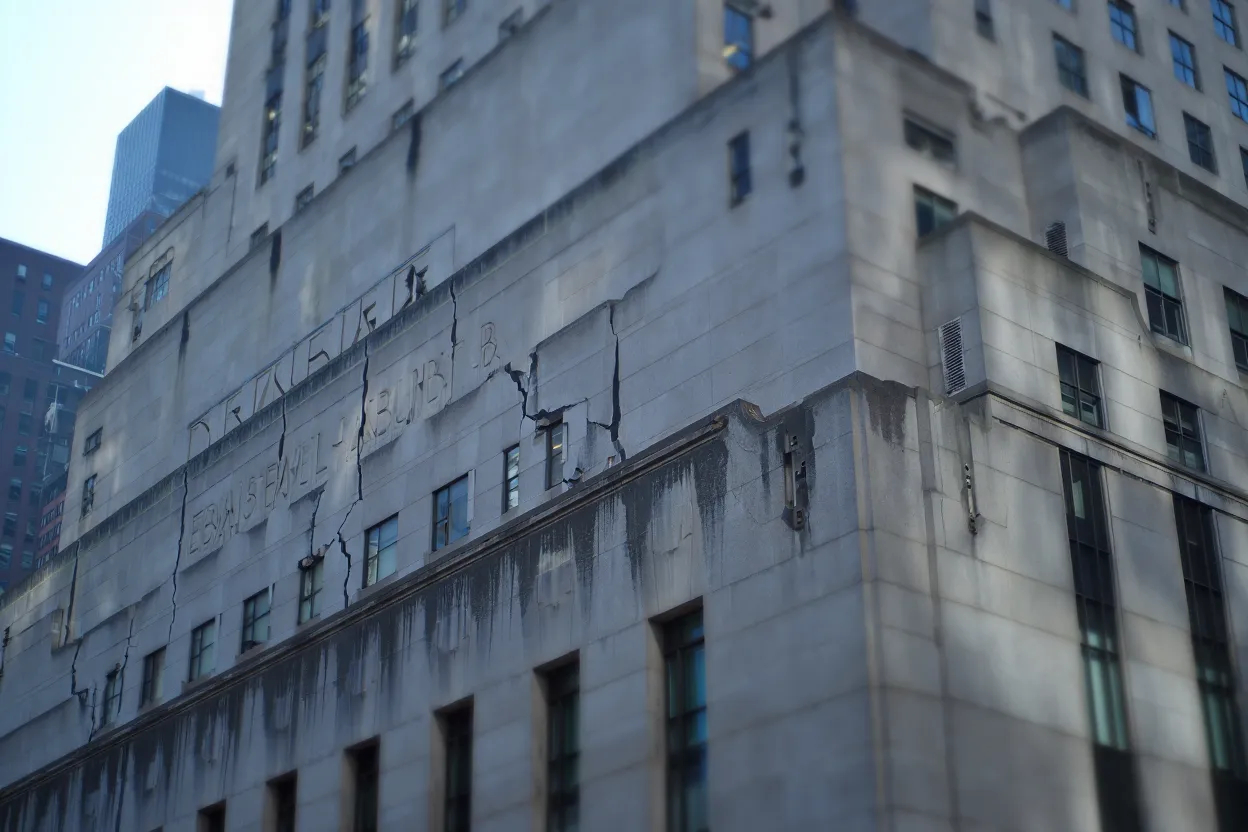



- The General Services Administration (GSA) reports a $25.8B deferred maintenance backlog for federal buildings.
- Congressional delays on repair approvals and fund diversions have stalled upgrades and property sales, per Bloomberg.
- The repair backlog undermines Trump’s push to consolidate and sell underutilized federal real estate, potentially exceeding $50B in needed work.
Congressional Bottlenecks Fuel Deferral Crisis
According to Bloomberg, the GSA faces $25.8B in overdue repairs on federal properties—a headwind for President Trump’s efforts to unload government real estate. The agency, led by Ed Forst, blames much of the backlog on rules that require congressional signoff on any project costing at least $4M, creating years-long delays for critical upgrades. These delays not only impede necessary maintenance but also make it harder to shrink the government’s property footprint and dispose of costly, obsolete buildings. At least 62 federal sites each require over $100M in upgrades, illustrating deep-seated infrastructure challenges within the government’s vast real estate portfolio.

Citing 2025 data, more than $1B in needed repairs went unaddressed after expiring approvals, signaling a growing strain. More than $15B collected for building upkeep was redirected by Congress to other federal spending priorities, compounding the crisis. These moves have systematically undercut GSA’s strategies to rationalize its holdings and modernize remaining facilities for current federal use.
Get Smarter about what matters in CRE
Stay ahead of trends in commercial real estate with CRE Daily – the free newsletter delivering everything you need to start your day in just 5-minutes
The Details
Ed Forst, appointed by President Trump in December, described surprise at the level of neglect even within GSA’s own headquarters—40% of which is now unusable due to disrepair. One standout property, New York’s Jacob K. Javits Federal Office Building, requires $410M in work; efforts to fund urgent needs like fire alarm upgrades and workspace build-outs for federal tenants were blocked by congressional inaction. Meanwhile, a 2025 GSA plan to consolidate housing for the Office of Personnel Management with GSA, freeing up a headquarters building for sale, took nearly a year for lawmakers to approve. On average, GSA projects take about 435 days to clear Congress before any construction or repairs can even be bid out, further slowing progress.
This sluggish pace has real cost consequences. For example, the John F. Seiberling Federal Building in Akron, OH, saw its needed waterproofing and drainage repairs balloon from $22.6M to $46M after delays led to mold and structural damage. With Congress often repurposing building fund surpluses, GSA’s ability to respond flexibly to maintenance emergencies or modernization needs remains hobbled.
Escalating Backlog Outpaces Repair Funds
GSA puts its official repair hole at $25.8B, but the real number may run far higher. A congressional advisory panel, including former Public Buildings commissioner Dan Mathews, says needs could top $50B. That would nearly double GSA’s published estimate. Hundreds of properties now operate far beyond their intended life cycles. Meanwhile, CBRE says federal office vacancy topped 70% nationally in 2025. That shows how much idle space still grows costlier to maintain.
The backlog also blocks GSA’s portfolio strategy. Agency leaders must choose between patchwork fixes and full divestments. Until Congress speeds approvals or raises spending caps, each delay risks another cost jump. That weakens the economics of any broad selloff or consolidation push.
Why It Matters
The federal real estate portfolio remains vast, aging, and increasingly expensive to operate. With up to $50B in deferred maintenance, many agencies occupy outdated, unhealthy, or dangerous space. Delayed upgrades trap workers in buildings that need major repairs. Ed Forst’s comments show how the $4M prospectus cap slows modernization. Repair proposals now average more than 430 days before approval. In fiscal 2025, more than $1B in approved repairs expired before construction began. Meanwhile, delayed action doubled remediation costs at the Seiberling Building.
This inertia slows Trump’s push to sell unneeded buildings and reduce the federal footprint. As surplus properties decline, buyers face deeper capital needs and murkier deal economics. Bloomberg notes the Jacob K. Javits Federal Building and dozens more face nine-figure repair backlogs. Congress has also diverted more than $15B from Federal Buildings Fund rents. That move further limits GSA’s ability to execute efficient transitions. For CRE, federal asset sales likely stay slow while basic repairs sit behind policy bottlenecks. That keeps private investor upside on hold.
What’s Next
Agency leaders want Congress to raise the prospectus threshold and unlock dedicated repair funds. Capitol Hill may soon revisit those oversight rules. Bloomberg reports bipartisan interest in higher approval caps. However, lawmakers still want control over large federal construction budgets.
New York has also tightened repair oversight, showing how building maintenance now faces closer public scrutiny. Unless Congress loosens those checks, GSA will struggle to downsize. More federal space will keep deteriorating. Until reforms arrive, the backlog and taxpayer costs will keep rising. So CRE watchers should focus on policy, not just property lists.