



- Gov. Greg Abbott nominated 605 census tracts across the Texas Triangle for Opportunity Zones 2.0, the permanent successor to the original 2017 tax-incentive program that sunsets in 2028.
- Dallas County submitted 60 tracts and Houston 48, but most zones from the original program weren’t renominated; only four of Dallas’ original tracts made the new list.
- The revamped program tightens income eligibility, defers taxes for five years and adds a 10 percent basis step-up, aiming to curb the market-rate housing criticism that dogged Opportunity Zones 1.0.
Texas Gov. Greg Abbott has nominated 605 census tracts for the incoming Opportunity Zones 2.0 program, the permanent successor to the original 2017 tax-incentive tool, according to The Real Deal.
The submissions span the Texas Triangle, Dallas-Fort Worth, Austin, San Antonio and Houston, as counties compete for a limited pool of federal designations before final maps are certified later this year.
Get Smarter About What Matters in Texas
Subscribe to our free newsletter covering the biggest commercial real estate stories across Texas — delivered in just 5 minutes.
How It Started
The original Opportunity Zone program came from the 2017 Tax Cuts and Jobs Act. It aimed to attract capital gains investment into low-income areas through tax abatements.
The program drew criticism, especially in New York City. A report from NYU’s Furman Center found that the incentive often financed market-rate housing in tracts that were not genuinely low-income.
The program winds down in 2028. Deferred taxes for its investors are now coming due.
The Details
The revamped program came through the One Big Beautiful Bill Act in 2025. It launches Jan. 1, 2027, and runs through Dec. 31, 2036.
The new rules tighten tract eligibility. Areas must have median household income below 70% of the state or metro median.
The program also sets a 10-year cycle for zones. It defers investor taxes for five years and adds a 10% basis step-up.
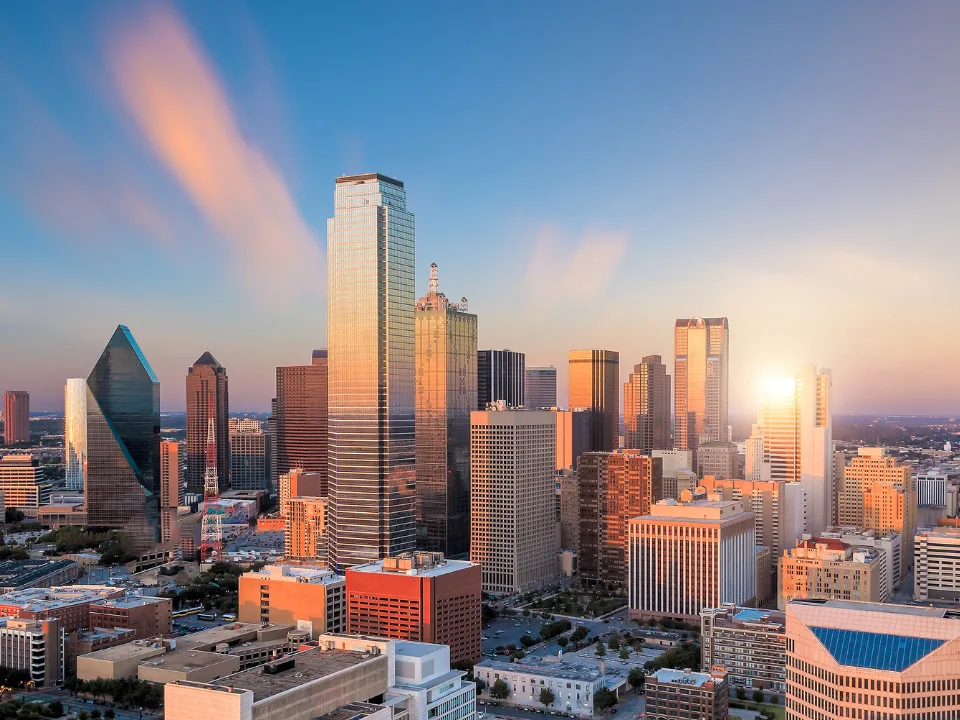
In Dallas County, officials nominated 60 eligible tracts. New submissions reach further into the suburbs, including Richardson, Addison, Garland, and Carrollton. They also cover a larger stretch of Lewisville.
Neighboring Tarrant County submitted 20 of its 153 eligible tracts. The nominations include part of Fort Worth’s Southside and stretches of Meadowbrook, Haltom City, Watauga, and Hurst.
One nominated Tarrant County zone is Uptown Fort Worth. It will become the future home of the Panther Island flood-mitigation project. The project aims to become Fort Worth’s version of the San Antonio River Walk.
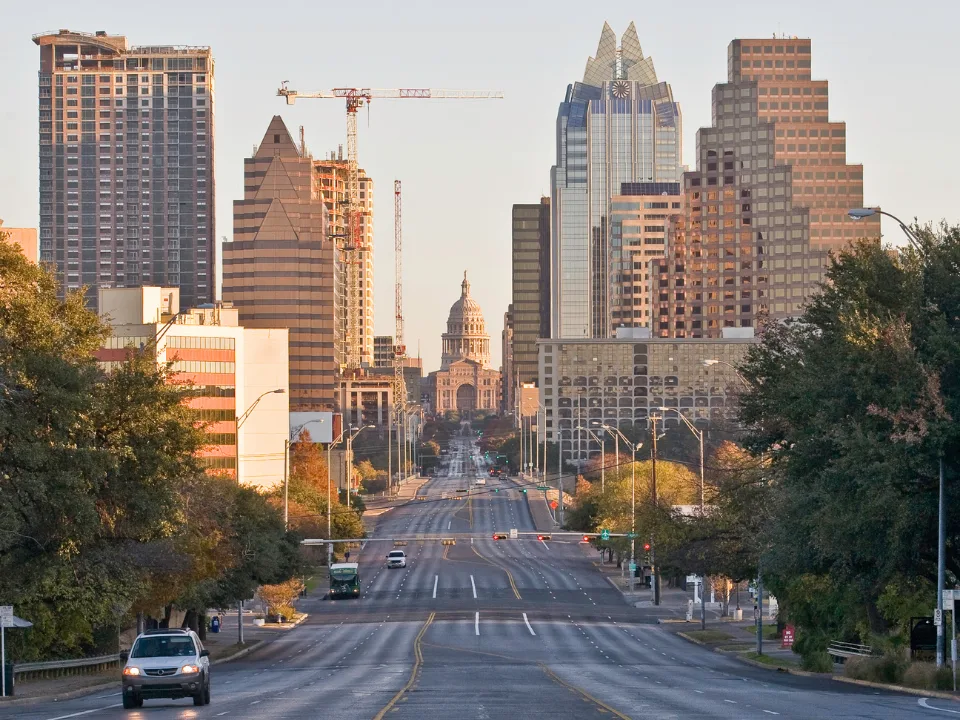
In Travis County, officials nominated 12 tracts. The zones center on Downtown Austin, Robinson Ranch, and Dog’s Head, according to the Austin Business Journal.
Bexar County put forward 34 of 146 eligible zones for San Antonio. Officials prioritized areas near the airport, universities, and the Alamodome inside Loop 410.
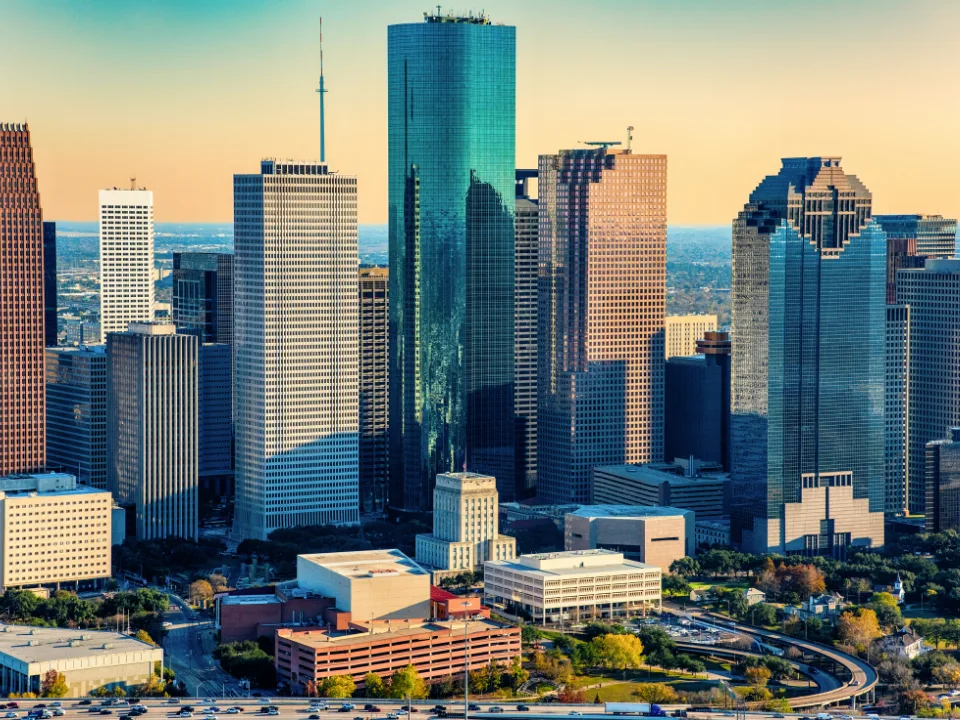
Houston nominated 48 of the roughly 360 eligible tracts within city limits. It also nominated another 67 in the surrounding area.
The new zones concentrate in northern and eastern neighborhoods. They include Northside and Trinity/Houston Gardens.
Zooming Out
Most metros renominated only a fraction of their original zones. Dallas kept just four of its original tracts.
The city shifted new submissions toward suburbs such as Richardson and Carrollton instead of downtown.
The same reshuffling appears elsewhere. None of Tarrant County’s seven original tracts were resubmitted.
Most of Travis County’s 21 original tracts also fell outside the new eligibility line. Houston had 99 zones under the first program, but most of its downtown tracts failed to qualify again.
The pattern echoes what’s happening in other states. Officials are working to steer the next decade of tax-advantaged capital toward growth corridors instead of the original 1.0 footprint.
Why It Matters
The stricter income thresholds aim to address criticism from the first round. Under that program, OZ dollars often funded market-rate development instead of distressed neighborhoods.
The longer deferral window also changes the incentive structure.
For Texas developers, the new maps matter as much as the incentive itself. The zones now include growth areas such as Uptown Fort Worth and areas near Houston’s East End.
Those choices signal where officials expect the next wave of capital to land. They come as the state’s broader growth outlook cools heading into 2027.
What’s Next
Officials will certify the final Opportunity Zones 2.0 designations by the end of the year. That will give developers and investors a firm map to underwrite against before the program starts Jan. 1, 2027.
Active OZ 1.0 projects will continue under the original rules until the program fully sunsets in 2028.
Those projects include Houston’s downtown luxury residential tower Brava, the East End Maker Hub, and the Ion innovation hub near Rice University.