



- States are selecting new Opportunity Zones 2.0 tracts, with nominations due Sept. 28 and one-month extensions available.
- The national map is expected to shrink roughly 25% to 6,544 tracts as eligibility tightens and rural incentives increase.
- Developers are pitching projects early because only 25% of qualifying parcels in each state can receive designation.
Bisnow reports that developers nationwide are pressing state officials to include their sites in the next Opportunity Zones map. At least seven states had already submitted nominations, while others were still taking pitches ahead of the Sept. 28 deadline.
Get Smarter about what matters in CRE
Stay ahead of trends in commercial real estate with CRE Daily – the free newsletter delivering everything you need to start your day in just 5-minutes
A Smaller, More Selective Program
Opportunity Zones 2.0 makes the federal incentive permanent through rolling, project-based 10-year benefits. The original program had a fixed expiration that encouraged capital to move quickly. Under the new structure, investors can receive the full time-based benefit regardless of when a project begins.
Eligibility is also tighter. Urban tracts face a lower income threshold, with the qualifying limit falling from 80% of area median income to 70%. The national map is expected to fall from 8,764 tracts to 6,544, a reduction of roughly 25%.
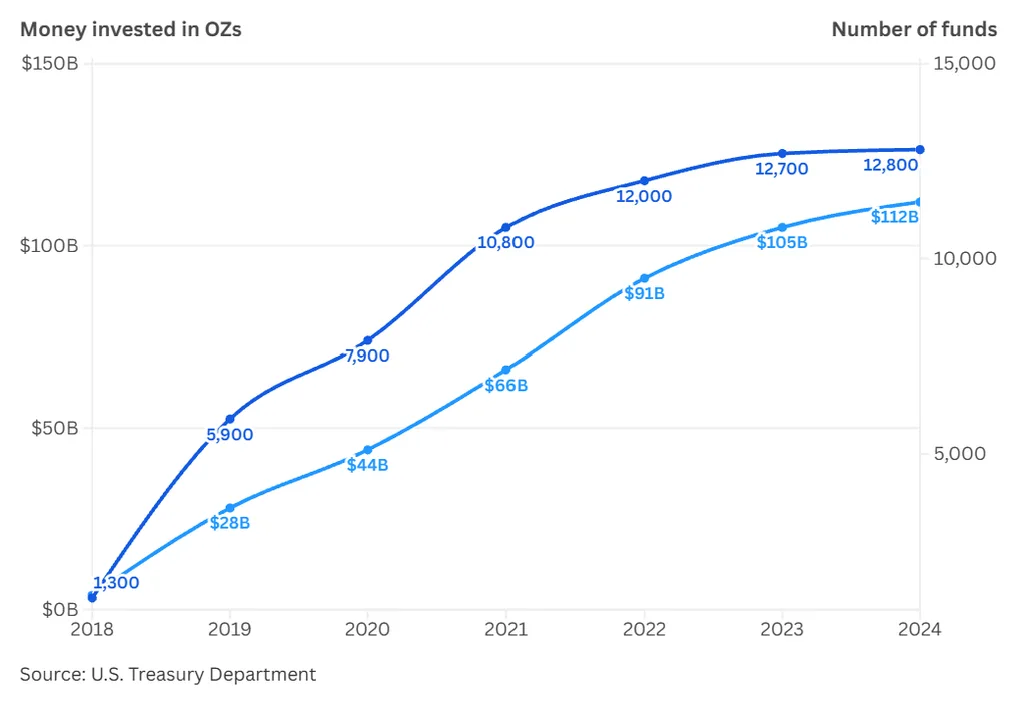
The first Opportunity Zone program attracted $112B of fund investments by the end of 2024. And 77% of roughly 8,000 designated tracts received some investment, according to a Treasury report cited by Bisnow. The rollout was slow, however, because tract nominations and Treasury guidance arrived after the 2017 law. Reducing the usable time for some incentives.
The Details
States can select up to 25% of eligible parcels. Texas received more than 1,200 tract nominations from over 175 economic development organizations. And submitted the maximum 605 tracts across 105 counties. Michigan is narrowing 856 potential tracts to 214. Arizona submitted 125 tracts.
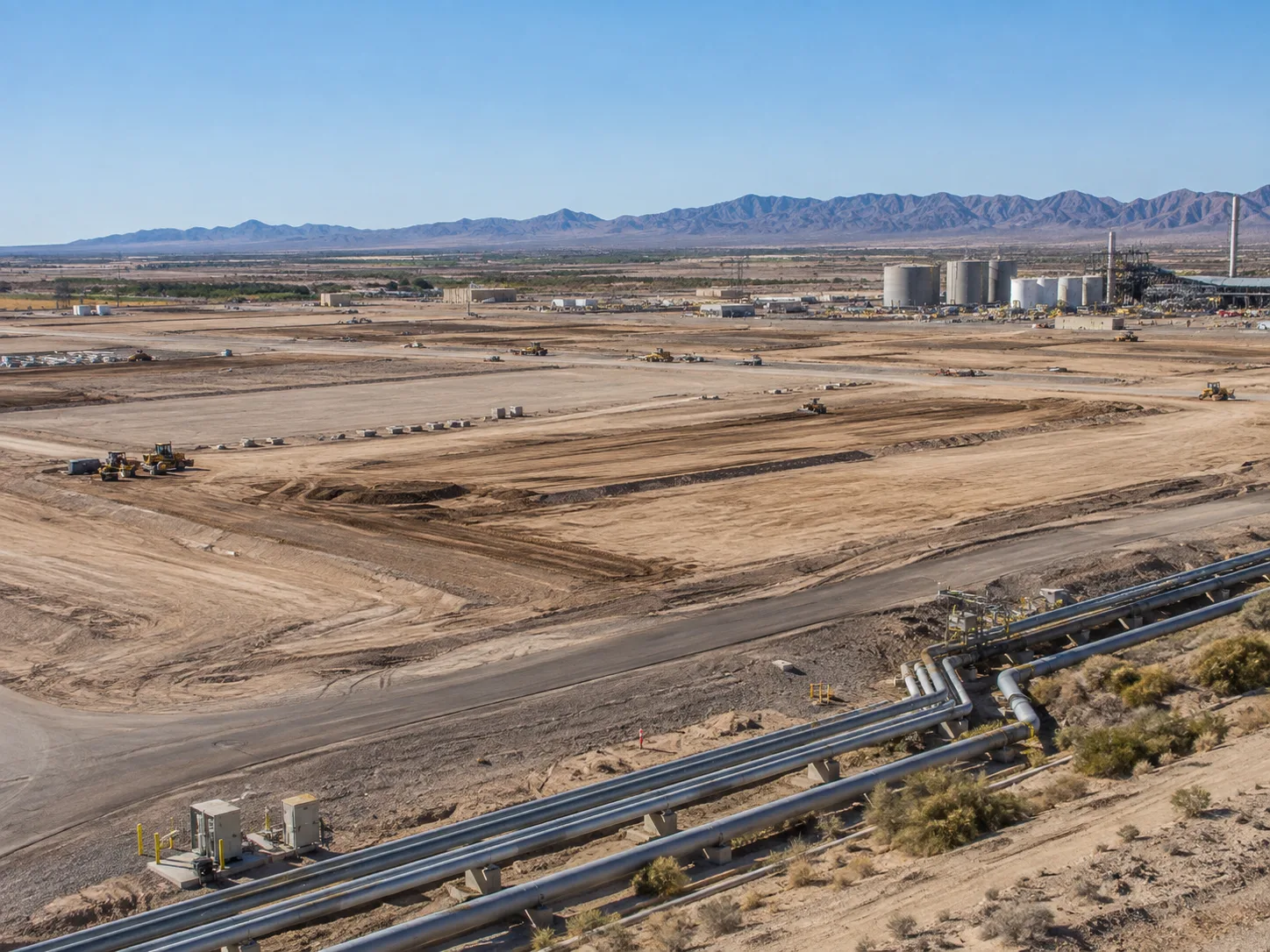
Arizona’s map includes the Yuma County tract containing EVelution Energy’s planned $450M cobalt processing facility. The project has $345M of debt commitments and hopes an OZ designation could help attract up to $50M of equity for a 2027 groundbreaking.
OZ 2.0 also increases the five-year basis step-up for rural investments to 30%. Compared with 10% for standard qualifying investments. New reporting rules call for annual data on fund activity, investment totals, and job creation.
States can also ask Treasury to approve off-list tracts that do not qualify under federal data. Arizona submitted three such tracts, while Vermont’s draft map includes eight off-list tracts among 25 planned nominations. The process gives states some flexibility, but they must justify why those areas should qualify.
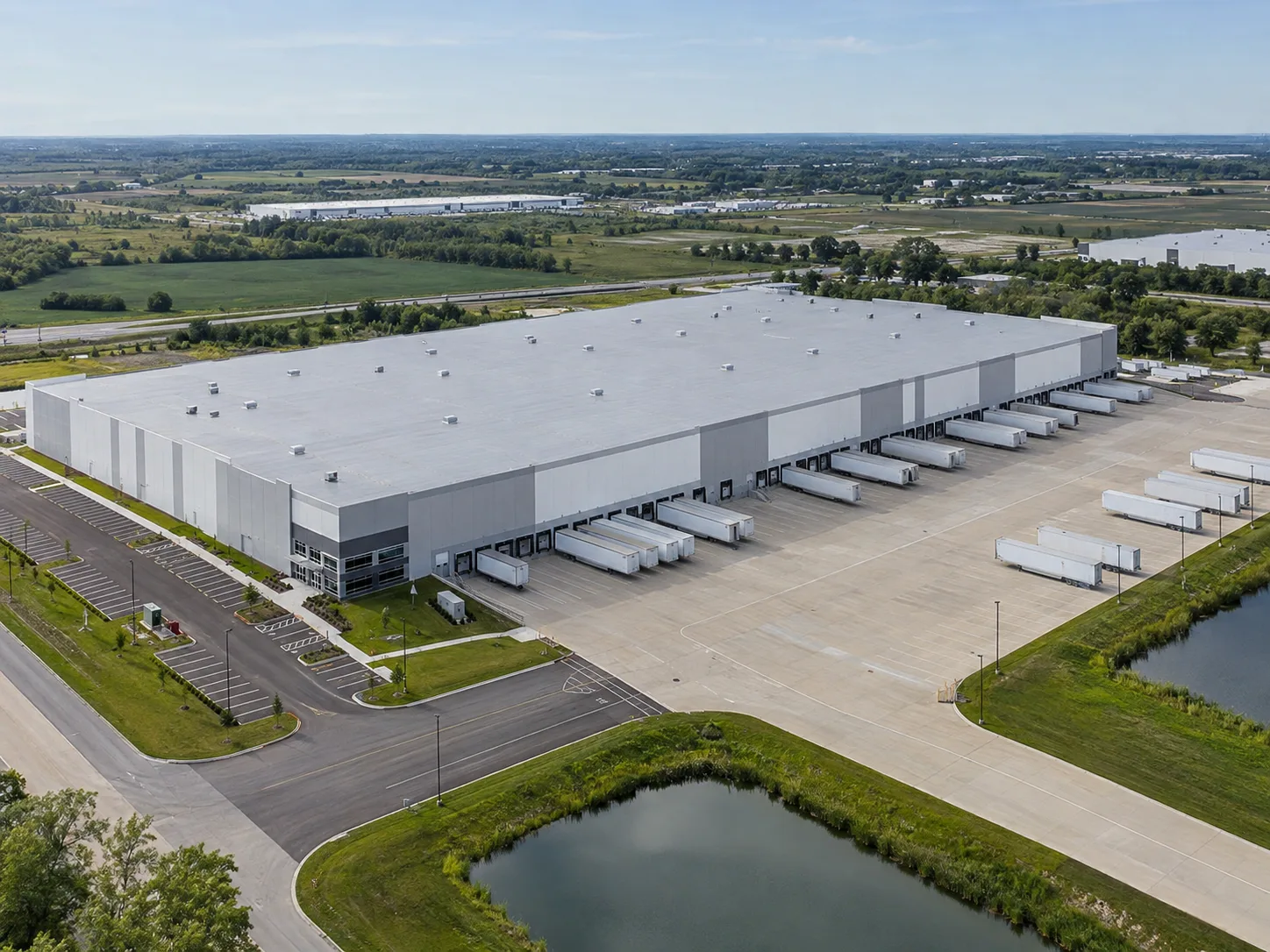
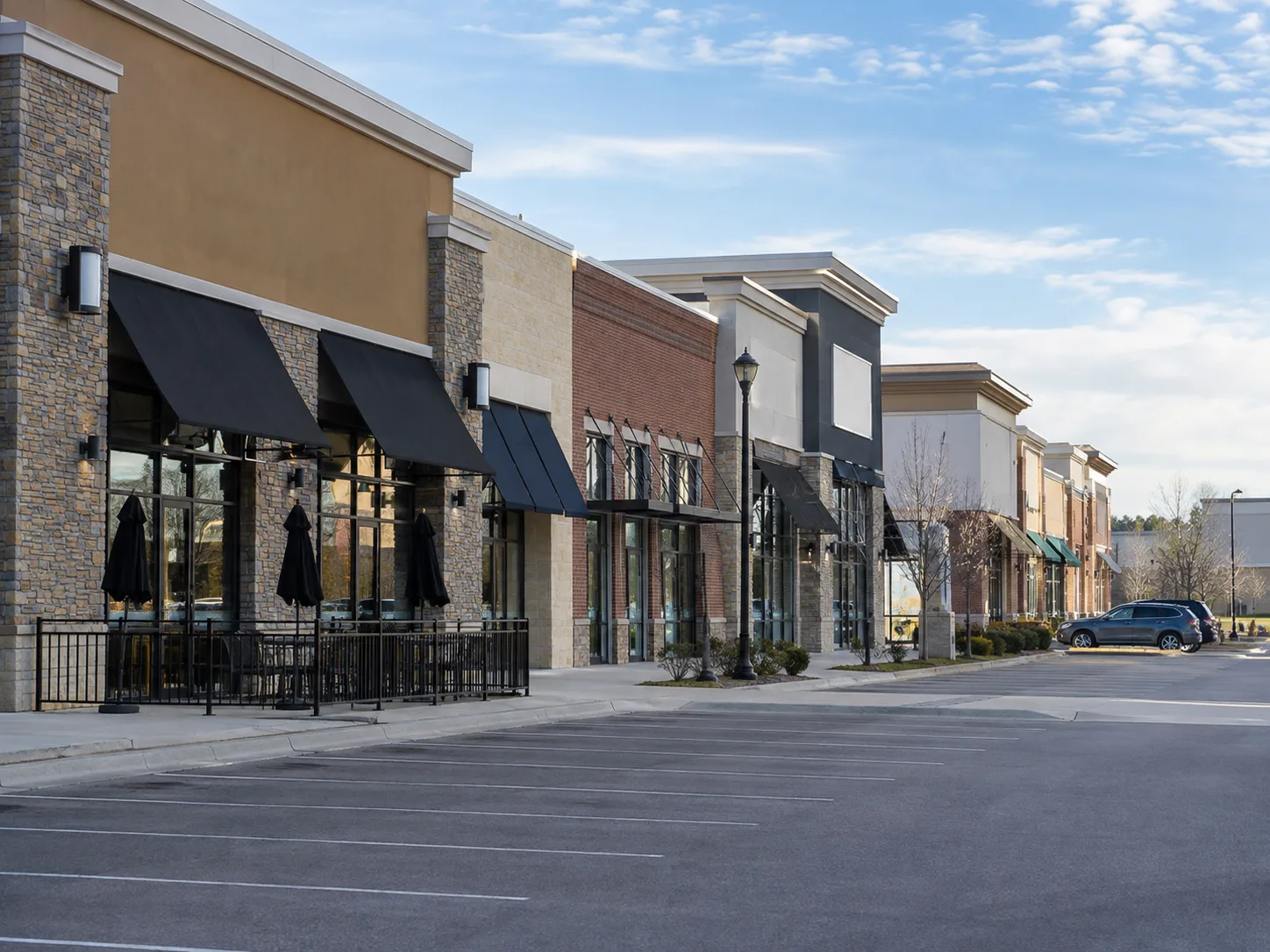
The first program’s investment mix leaned heavily toward multifamily. Early OZ 2.0 nominations suggest a broader mix, including mall redevelopment, industrial facilities, energy projects, and data centers. Community resistance is also emerging, particularly around data-center-related proposals in rural areas.
Why It Matters
The selection process now matters directly to developers because designation can widen the investor pool and improve project economics. Yet the first program produced mixed results, and a Government Accountability Office survey found most states were unsure about its community impact.
The new framework attempts to concentrate incentives on more distressed areas while favoring projects with real development prospects. That shift builds on the broader Opportunity Zone 2.0 investment push already forming around the program’s permanent structure.
Rural projects receive a substantially larger tax benefit after a five-year hold. A $100K capital gain would see the taxable amount reduced to $70K under the 30% rural basis step-up, compared with $90K under the standard 10% step-up. That difference can materially affect fundraising for projects competing for equity.
What’s Next
Treasury must review state maps, and states can seek a one-month extension beyond Sept. 28. Guidance questions also remain. The Novogradac Opportunity Zones Working Group has asked Treasury. And the IRS for more clarity on the review process and tax incentives.
Developers and local governments will keep competing for designations. The mix of projects may also broaden beyond multifamily, with malls, industrial facilities, energy projects. And data centers already surfacing in nomination debates.
State and local engagement will remain central because the nomination process now recurs every 10 years. And allows more public input. Officials in Arizona, Michigan, Texas, Vermont, and other states are balancing economic-development goals, project readiness. And community concerns as they finalize maps.