





- Voters in 13 states will decide on 26 tax-focused ballot measures, many targeting property tax relief.
- Major initiatives could strip billions from local budgets, forcing a reckoning on public services versus tax savings.
- The outcomes will reveal how willing Americans are to trade municipal revenues for lower property tax burdens.
Tax Policy at the Ballot Box
This November, voters across 13 US states will weigh in directly on tax policy. The midterm ballot includes 26 initiatives covering everything from wealth taxes to property tax exemptions.
CNBC reports that California’s billionaire-focused Prop 40 has attracted significant attention. However, most measures focus on property taxes, the largest tax burden for many US homeowners.
Government spending pressures and strained local budgets raise the stakes. These votes could reshape how municipalities fund infrastructure, education, and essential services in coming years.
Property tax relief sits at the center of the debate. Florida, Georgia, Louisiana, Oklahoma, North Carolina, Tennessee, and Wyoming have proposed cuts, caps, or bans on certain property taxes.
For many local leaders, especially across fast-growing Sun Belt metros, these initiatives create a direct test of voter priorities. Voters must weigh lower personal tax bills against potential reductions in vital local services.
Get Smarter about what matters in CRE
Stay ahead of trends in commercial real estate with CRE Daily – the free newsletter delivering everything you need to start your day in just 5-minutes
Property Tax Battles Gather Momentum
Property taxes have long created tension between homeowners and local governments. Most states give local governments control, while only a handful levy property taxes statewide.
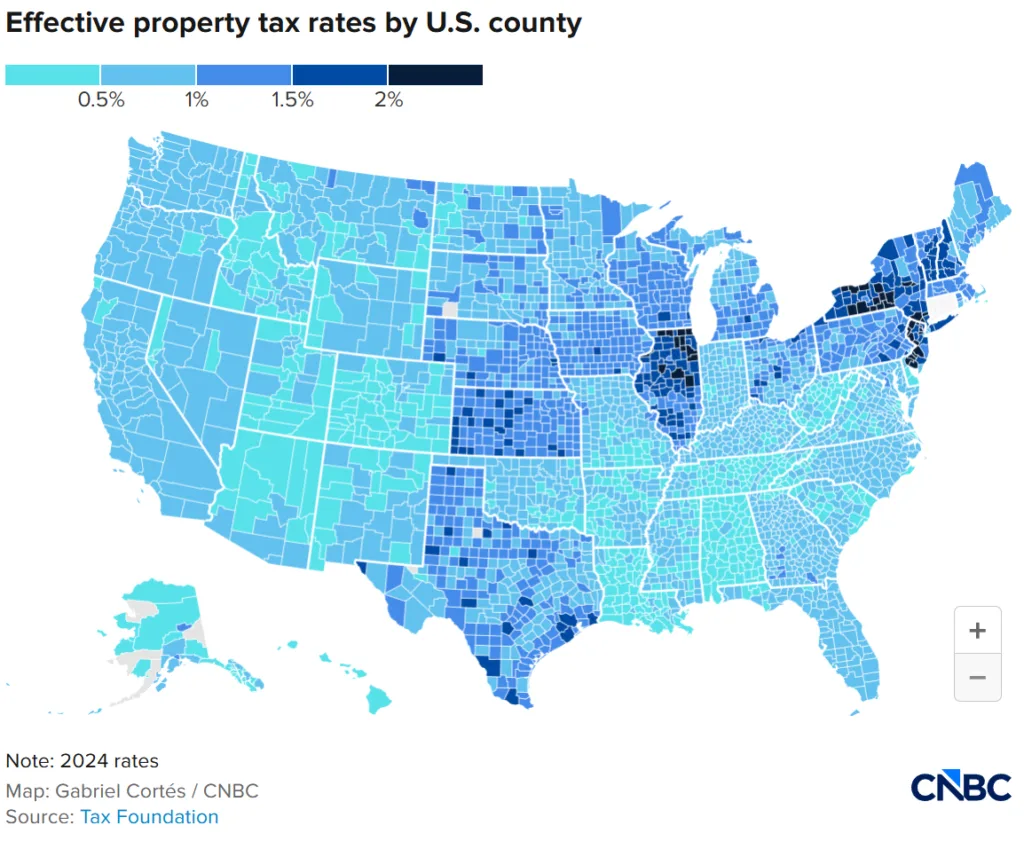
Tennessee, for example, has not imposed a statewide property tax since 1949. However, Amendment 2 would place a constitutional ban on such a tax.
Elsewhere, the financial impact could prove much larger. Florida’s Amendment 3 could raise the homestead exemption threshold from $150,000 to $250,000.
That change would significantly reduce the taxable property base. Jacksonville’s mayor estimates it could cut the city’s annual budget by up to one-third, or $300M.
Supporters describe these measures as overdue relief from rising home values and mounting living costs. Meanwhile, opponents warn that deep revenue cuts could threaten schools, roads, emergency services, and affordable housing programs.
Several mayors and local officials have publicly warned about deteriorating infrastructure. They also expect service reductions if voters approve larger exemptions.
The Details
Eight state-level property tax initiatives across six states carry significant financial consequences. Florida’s Amendment 3 could create a $46B revenue loss by 2032, according to state estimates.
Meanwhile, a separate Florida agricultural exemption could cost governments $96.9M by 2030. Wyoming’s initiative could reduce annual tax receipts by at least $188M by the decade’s end.
Some proposals lack formal financial projections. Louisiana’s measure, for example, could still reduce local government revenues by hundreds of millions.
The ballot language also differs considerably between states. Some proposals create new exemptions for seniors, while others increase assessment thresholds.
Tennessee wants an outright constitutional ban on statewide property taxes. North Carolina’s proposed constitutional amendment would require lawmakers to cap local tax levies.
Conservative lawmakers support many of these initiatives, and Republican voters often favor them. However, bipartisan opposition has emerged among local officials concerned about service reductions.
Mixed Signals in State Voting Patterns
Recent voting patterns offer no clear forecast for November. According to CNBC, voters overwhelmingly rejected Oregon’s Measure 120 and Louisiana’s Amendment 4 earlier in 2026.
Oregon’s measure focused on fuel and transit taxes. Louisiana’s proposal involved property tax breaks for business inventory.
Those results suggest voters remain cautious about major changes to existing tax structures. However, measures directly reducing homeowner property taxes have performed better.
Texas expanded its homestead exemption in 2025 with nearly 80% voter support. Georgia approved a personal property tax exemption in 2024 with 64% support.
Ballot-driven tax policy is also shaping real estate elsewhere. Massachusetts faces a rent control vote with potentially significant property value implications.
Still, voters have demonstrated clear limits on property tax reductions. North Dakota rejected a 2024 proposal to abolish local property taxes amid concerns about service cuts.
Florida polling highlights this tension particularly well. Initially, 61% of respondents supported Amendment 3.
However, support fell to 45% after respondents learned about potential local government budget shortfalls. The University of North Florida Public Opinion Research Lab conducted the polling.
Why It Matters
Property taxes rank among the largest operating expenses for CRE owners. Changes to assessment rules could materially affect returns, property values, and investment decisions.
Lower taxes may improve affordability and asset values. However, revenue losses could force cities to cut services, delay infrastructure projects, or raise other taxes.
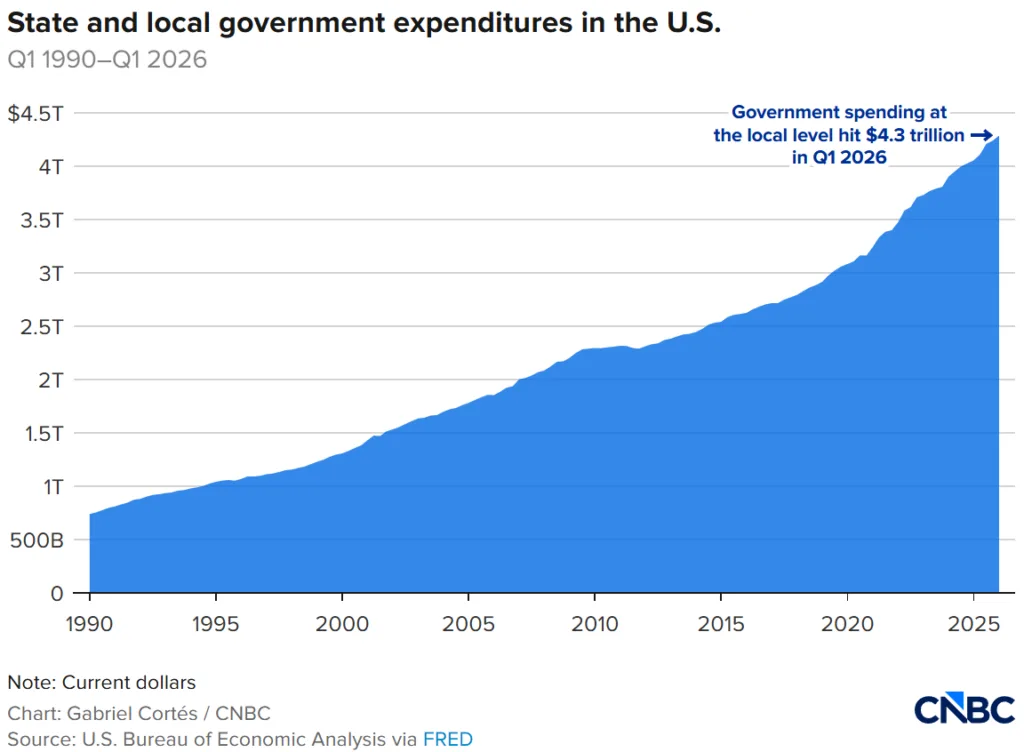
Jacksonville officials estimate Amendment 3 could reduce annual city revenue by $300M. Some governments depend heavily on property taxes to fund schools, parks, infrastructure, and public safety.
For investors, the trade-off matters. Tax relief could strengthen property economics while weaker municipal services could hurt tenant demand and neighborhood desirability.
What’s Next
The midterm results will test how voters balance tax relief against local government spending. CRE owners will closely watch any changes affecting property operating costs.
Florida requires a 60% supermajority to approve constitutional amendments. That requirement creates a significant hurdle as advocacy groups compete to influence voter perceptions.
Other states may require only a simple majority. However, North Dakota demonstrated that conservative electorates can reject major cuts when fiscal concerns dominate the debate.
CRE stakeholders should expect heightened political uncertainty around tax policy into 2027. Changes could affect property values, municipal bond markets, operating costs, and public services.
Education campaigns are already accelerating as local officials warn about potential budget shortfalls. Those debates will likely intensify as November approaches.
Ultimately, these ballot measures could reshape how Americans fund public goods. They could also redefine how city governments balance property tax relief with long-term fiscal needs.