







- States including Minnesota, Virginia, Massachusetts, Connecticut, Nevada, and Colorado now mandate all-in rental pricing in listings.
- Transparent pricing boosts renter trust, improves lead quality, and reduces disputes according to Apartments.com research.
- Landlords must rework advertising, lease templates, and payment practices to comply with new regulations or risk penalties.
Price Transparency Mandates Gain Momentum
A wave of legislation is changing how landlords must advertise rentals across the US. According to Apartments.com, Minnesota, Virginia, Massachusetts, Connecticut, Nevada, and Colorado have already passed laws requiring all-in pricing—where the listed rent reflects not just the base rate, but all mandatory recurring fees. For owners and managers, the days of tacking on amenity, technology, or trash fees after showing a low base rent are ending in much of the country. By 2026, compliance is or will be required in several key states, signaling national momentum.
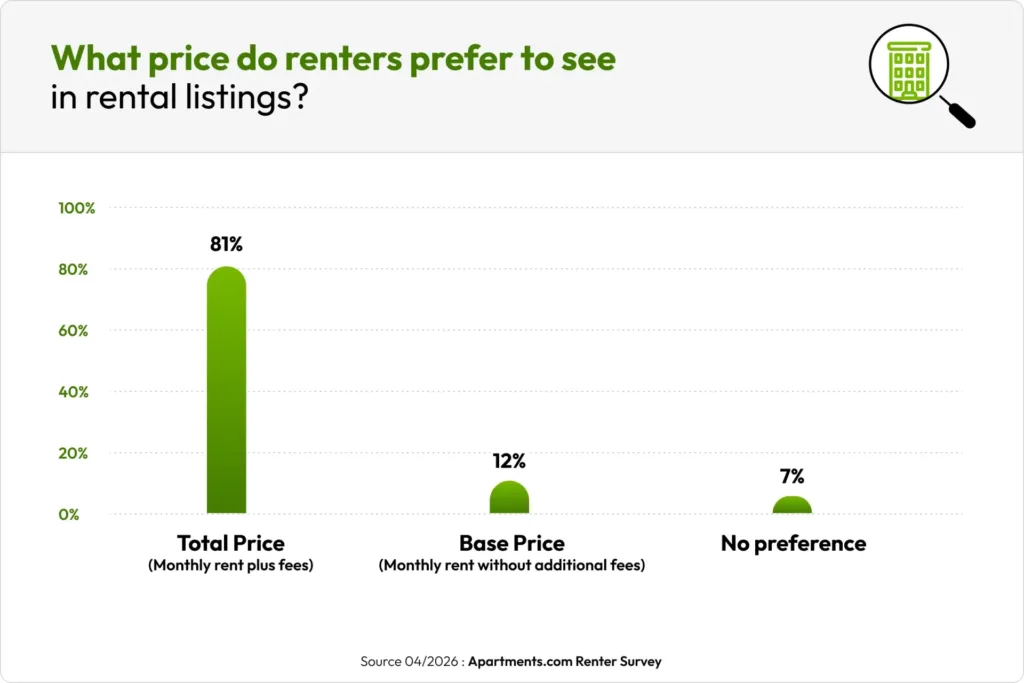
Industry data highlights why this matters: in an April 2026 Apartments.com survey, 81% of renters said they prefer to see the full monthly cost—including all fees—upfront. More than half said they’d stop considering a unit if unexpected charges pushed the real price above the one advertised. The regulatory push is catching up with the market’s demand for clarity—and reshaping operating practices along the way.
Get Smarter about what matters in CRE
Stay ahead of trends in commercial real estate with CRE Daily – the free newsletter delivering everything you need to start your day in just 5-minutes
The Shift From Split to All-In Rent Listings
For decades, rental ads typically advertised only the base rent, with everything from trash fees to parking disclosed later or baked into lease fine print. But new regulations explicitly prohibit this separation. States are now requiring landlords to roll all mandatory, periodic charges—amenity fees, parking, technology, recycling—into the headline rent before prospective tenants apply or sign a lease. This shift aims to address years of renter complaints about hidden fees and changing final monthly costs, while reducing the volume of disputes tied to unclear pricing. The approach also incentivizes property managers to clarify what truly counts as an optional service versus a required one.
The Details
The wave began in Minnesota, where since January 2024, all non-optional fees must appear with the rent in listings and at the lease’s outset. Virginia requires leases signed or extended as of July 2025 to itemize security deposits, recurring rent, and up-front charges on page one, with a ban on undisclosed add-ons. Massachusetts, starting September 2025, orders that all rental advertising clearly state total pricing, including fees, before collecting any information from a prospective tenant. Connecticut mandates explicit total pricing—including waivable fees—on listings by October 2025, and requires a state-issued rental terms summary in leases after April 2026.
Nevada’s law, also effective October 2025, is especially strict: every public listing and lease must state the maximum lawful monthly cost (rent plus all recurring fees, including pet and parking), and penalties accrue for any overcharges or deceptive pricing. Colorado, under rules effective January 2026, compels a single total price in all ads and caps mid-lease non-utility fee hikes at 2%. The state also limits markups on pass-through service costs and bans charges for common area maintenance.
Renter Demand Fuels Regulatory Action
The legal trend is propelled by strong consumer sentiment. The same Apartments.com survey found that 52% of renters would abandon a listing if hidden fees pushed the real rent above their budget. This preference is especially important in Sun Belt markets, where abundant apartment supply has given renters more leverage and choice.
This isn’t just wishful thinking—analysis from Apartments.com of properties with the “Total Monthly Price” badge posted an 18% jump in search impressions and a 4% rise in click-throughs from July-August 2025 to February 2026. Listing times on page rose 4%, while applications and tours dipped modestly, but total leads increased 2%, and the quality of those leads improved. Renters who reach out already accept the full price, yielding fewer follow-up disputes and less drop-off during the application process.
This market feedback reinforces why regulators are intervening—and why platforms like Apartments.com now roll out all-in pricing nationwide, not just in mandate states. Landlords who beat the legal curve may gain a reputational edge, higher renewal rates, and lower vacancy costs. By contrast, those in emerging mandate states that fail to comply risk civil penalties, legal costs, or bad reviews that follow them property to property.
Why It Matters
For landlords, operators, and property managers, price transparency is becoming a legal requirement. Adapting involves more than updating ads. Owners must revise lease templates and disclose mandatory costs upfront. They also must review payment systems for fee compliance and alternatives. Nevada fines can reach $250 for each deceptive pricing violation. As a result, operators now treat transparency as a risk management issue.
CRE professionals should note how quickly state rules become regional norms. By mid-2026, at least six states required all-in pricing for residential leases. Apartments.com data suggests more states may soon follow. Meanwhile, renters strongly oppose hidden fees. Since 81% prefer total pricing, landlords who resist may fall behind. The changes require effort. However, better leads, fewer disputes, and stronger retention can justify it.
What’s Next
More states will likely follow Colorado, Nevada, and others. Renter frustration and federal scrutiny continue to drive new rules. Apartments.com keeps expanding all-in pricing tools. This helps compliance while raising expectations for landlords. Property managers in other states should prepare for similar laws. They can also use voluntary transparency to strengthen their brands. Large owners should review ads, fee schedules, and lease language now. All-in pricing is quickly becoming standard practice in US rental housing.