



- Core retail sales increased 0.5% month-over-month and 5.6% year-over-year in May, reflecting resilient consumer spending.
- Online and discount retailers saw record sales, while restaurant and electronics spending slowed as households cut back on discretionary purchases.
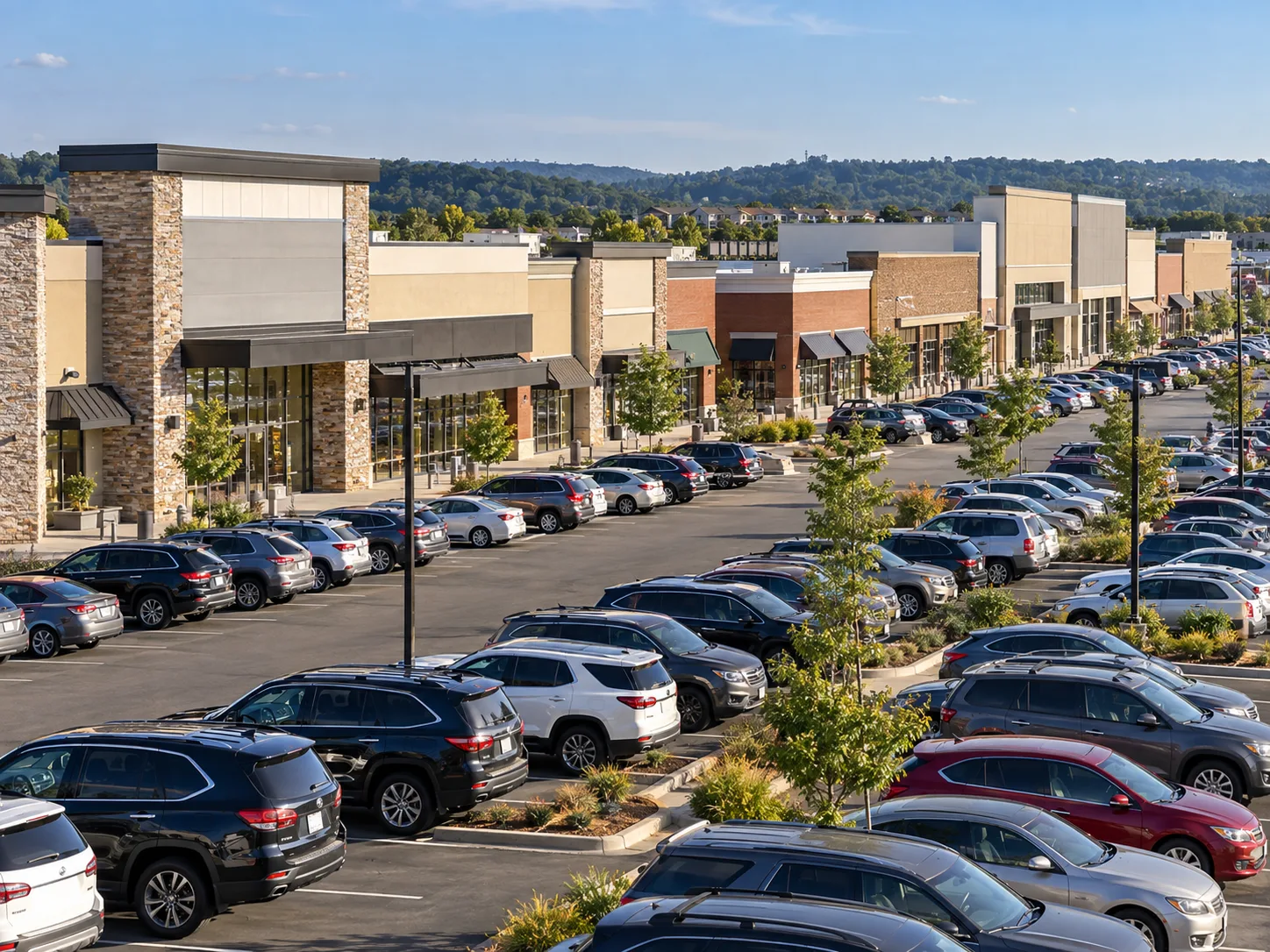
- Absorption in retail real estate turned positive in Q2 2026, driven by demand for big-box and value-focused tenants.
Consumers Pivot to Essentials
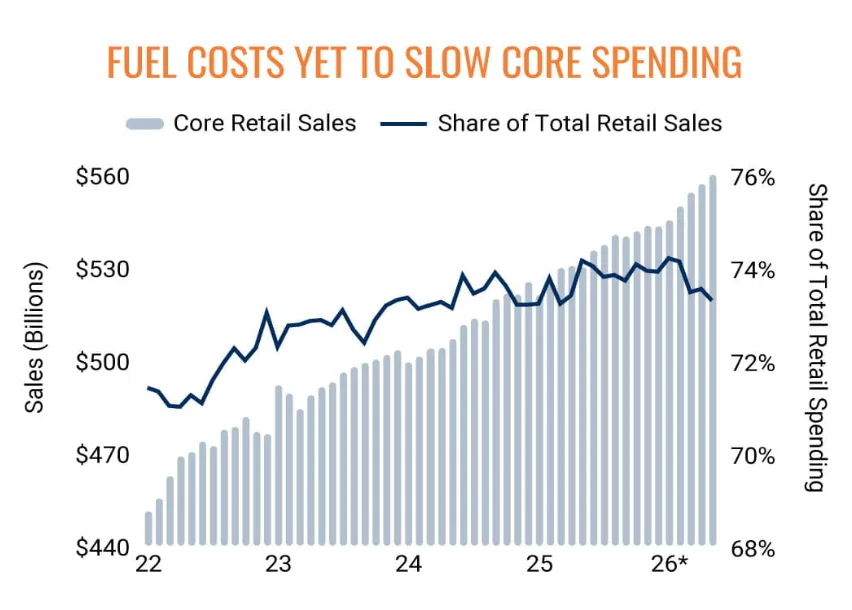
US shoppers continued to open their wallets in May despite high gas prices and persistent cost pressures, with core retail sales rising 0.5% month-over-month and 5.6% on the year, according to Marcus & Millichap Research Services. The data signals that, even as headline inflation outpaced wage growth for a second consecutive month, households were willing to dig into their savings and spend on day-to-day goods. Yet not all retail categories shared equally; general merchandise, miscellaneous retail, and online stores notched record sales, while spending in restaurants and electronics dipped as some consumers trimmed discretionary budgets.
The pressure on consumer wallets comes as the personal savings rate fell to a nearly four-year low in April 2026, hinting that some shoppers’ buying power could erode moving into summer. The shift toward budget-friendly channels reflects both necessity and consumer savvy in a volatile price environment.
Get Smarter about what matters in CRE
Stay ahead of trends in commercial real estate with CRE Daily – the free newsletter delivering everything you need to start your day in just 5-minutes
Categories Synonymous With Discounts Shine
Discount and digital-first retailers gained ground. Online sales rose 1.5% from April and 12.2% year over year in May. Consumers now spend one in four core retail dollars online. This trend increases pressure on physical stores and rewards efficient logistics.
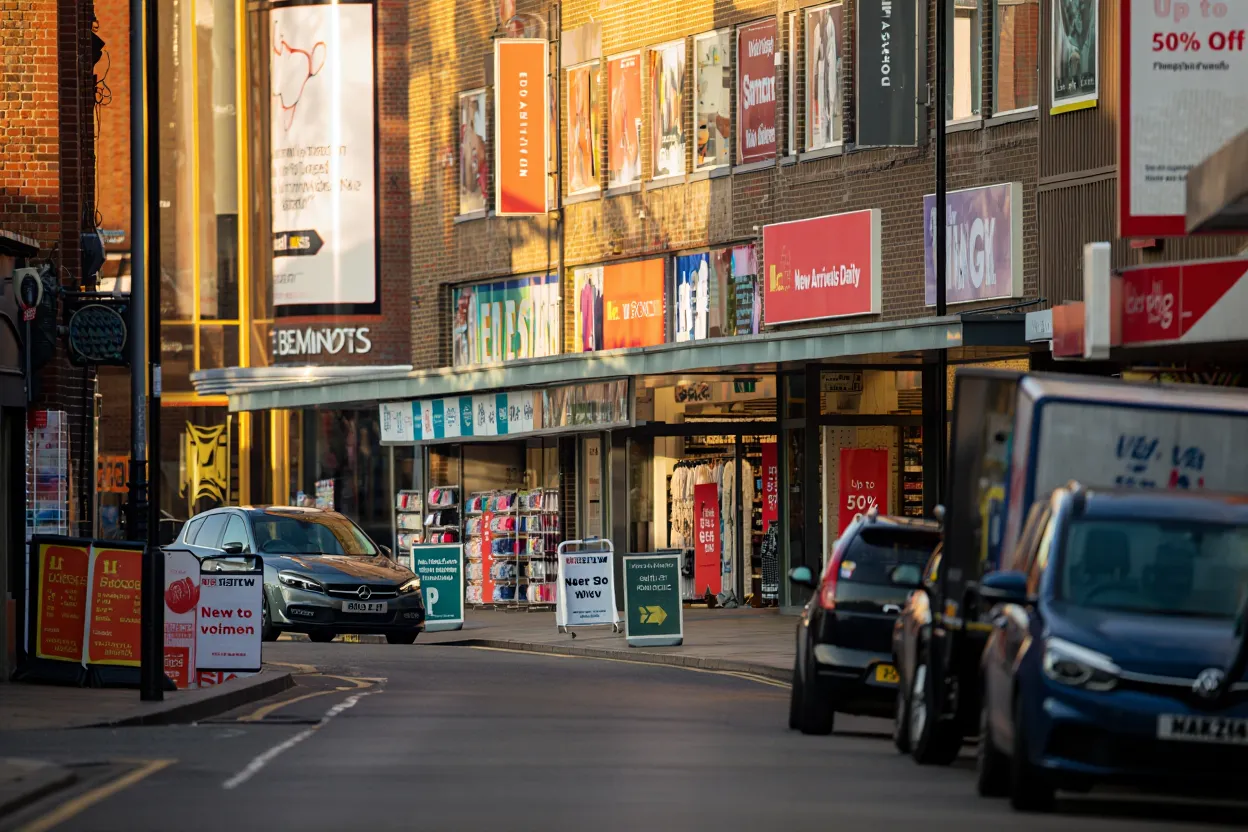
Meanwhile, Amazon Prime Day runs from June 23 to 26. It could deliver another record month after generating $24.1B in 2025. Thrift stores also attracted more shoppers than traditional or luxury apparel chains. As a result, miscellaneous retail sales increased 9.1% year over year. These trends reflect growing price sensitivity across households.
The Details
Large US retailers with more than $50M in assets earned $64.5B after taxes in Q1 2026. That total rose nearly 40% year over year. Sales increased 4.7% during the same period. According to Marcus & Millichap, retailers expanded margins through scale and tighter cost controls. Q1 profit margins reached 5.7%.
Retailers also closed weak stores and favored smaller locations. They used these strategies to protect market share.
Retail real estate responded to these shifts. The sector lost 4.2M SF in Q1. However, preliminary Q2 data points to positive absorption. Demand improved for single- and multi-tenant spaces. Department stores and power centers led leasing activity.
Off-price and experiential tenants continue filling big-box vacancies. This trend shows how physical retail is adapting to changing consumer behavior.
Inflation’s Moving Target
Energy prices stayed elevated in May. However, inflation eased in other categories. Marcus & Millichap found that core CPI rose 0.2%. Food-at-home prices increased 0.1%.
Gas prices fell below $4 per gallon in mid-June for the first time since March. Expectations for reopening the Strait of Hormuz supported the decline. Still, economists expect oil flows to recover slowly. Retailers may also wait longer for lower freight costs.
These inflation pressures and weak wage growth could curb discretionary spending. Restaurants and electronics may face additional pressure.
Shoppers continue seeking value online and in discount stores. The divide between value and discretionary spending is shaping retailer strategies and leasing decisions. Recent gains in retail sales and shifting foot traffic patterns suggest consumers remain willing to spend, but they are becoming more selective about where they shop.
Why It Matters
Core retail sales increased 0.5% month over month and 5.6% annually. Marcus & Millichap says these gains show consumers remain adaptable. However, shoppers are focusing more on value.
Inflation still exceeds wage growth. The personal savings rate also sits near a multi-year low. Even so, sales remain positive. Consumers continue prioritizing essentials, discount channels, and convenience. Many now split spending between online and physical stores.
Source: Marcus & Millichap
Retail real estate reflects these changes. Positive Q2 absorption reversed the 4.2M SF decline recorded in Q1. Off-price retailers and experiential concepts drove much of the demand.
Amazon Prime Day and broader online growth continue pulling sales from traditional stores. At the same time, retailers protect margins through operational discipline and portfolio changes. Those efforts helped boost after-tax profits nearly 40% among the largest companies.
For CRE professionals, value and omnichannel retailers remain key drivers of leasing, development, and investment. Retailers’ focus on footprints and formats creates challenges and opportunities. Shopping center repositioning and industrial logistics could benefit.
What’s Next
Lower gas prices and renewed shipping through the Strait of Hormuz could support summer spending. However, savings remain low and wage growth still lags. Categories tied to discretionary spending may remain volatile.
Amazon Prime Day could set new sales records and accelerate the shift to digital channels. Property owners should expect continued demand for smaller stores and off-price space. Big-box vacancies may attract a broader mix of tenants.
Landlords should watch absorption trends and tenant mix changes through the rest of 2026. The retail market continues to rebalance.