



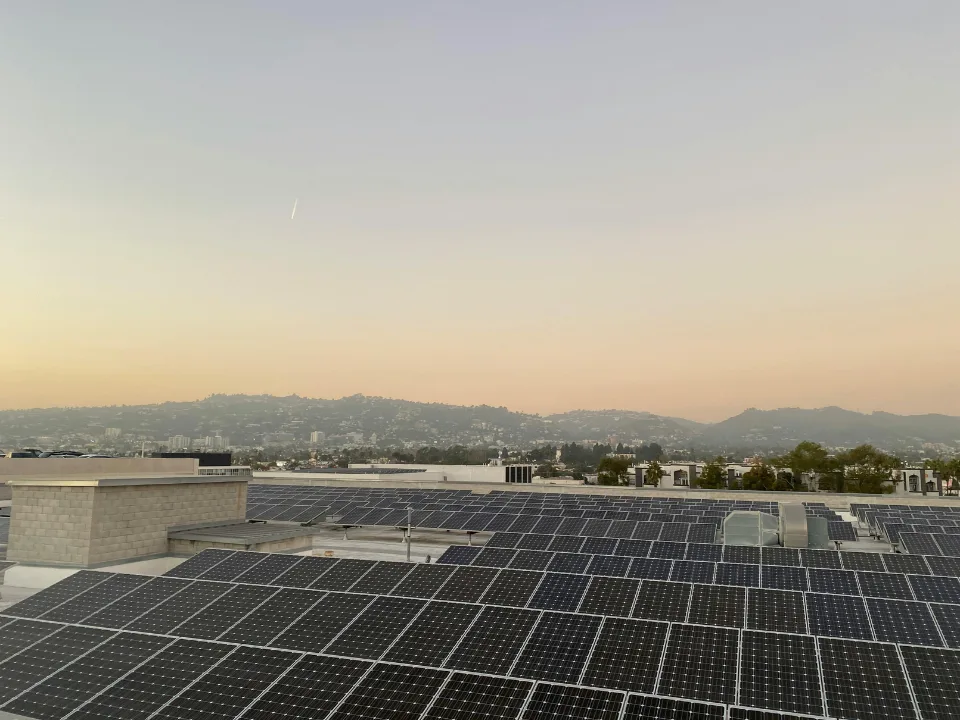



- SolarKal is marking its 10th year advising commercial property owners on rooftop solar strategies and lease negotiations.
- The firm says well-structured rooftop solar leases can generate between $5 million and $10 million over a 20-year term from otherwise unused roof space.
- Growing interest in solar and battery storage reflects a broader shift toward monetizing real estate assets while improving portfolio energy performance.
Commercial real estate owners have spent years searching for new ways to boost property income beyond traditional leasing. According to SolarKal, rooftops have emerged as one of the industry’s most underutilized revenue sources, with solar lease agreements creating meaningful long-term cash flow opportunities for owners. The company highlighted that trend while celebrating its 10th anniversary in May 2026.
From solar consultant to owner advocate
Boston-based SolarKal was founded after a property owner struggled to evaluate competing solar proposals from developers and wanted independent representation. Over the past decade, the company expanded its advisory work beyond solar procurement to include lease negotiations and portfolio-wide energy strategy for commercial and institutional owners. According to founder and CEO Yaniv Kalish, the firm’s core mission has remained unchanged: represent building owners rather than solar developers.
Get Smarter about what matters in CRE
Stay ahead of trends in commercial real estate with CRE Daily – the free newsletter delivering everything you need to start your day in just 5-minutes
Rooftop solar leases move into the mainstream
SolarKal estimates that a properly structured rooftop solar lease can generate between $5 million and $10 million over a 20-year term, depending on the asset and market conditions. The company argues that many owners overlook the revenue potential of roof space because solar transactions often involve complex lease structures, escalation provisions, access rights, and termination clauses. SolarKal says those provisions can materially affect long-term economics and require the same level of scrutiny as traditional real estate leases.
The firm’s anniversary announcement also highlighted several lessons learned over the last decade. Among them: owners benefit from independent advisory support during negotiations, delaying decisions can carry opportunity costs, and long-term solar agreements should be negotiated with the same rigor as other major property contracts.
Battery storage expands the opportunity set
The evolution of rooftop solar mirrors a broader trend across commercial real estate as owners seek additional ways to extract value from existing assets. What was once viewed primarily as a sustainability initiative is increasingly being evaluated as an income-producing strategy. SolarKal argues that the market has shifted from environmental considerations alone toward a combination of revenue generation, energy management, and portfolio optimization.
The company recently expanded its services into battery energy storage systems (BESS), another category gaining attention among owners and operators looking to participate in evolving energy markets. The move reflects growing interest in distributed energy infrastructure across commercial properties.
Why it matters
As operating expenses remain a key concern for commercial property owners, alternative revenue streams are becoming increasingly valuable. Rooftop solar leases offer a way to monetize space that would otherwise sit idle, potentially creating long-term income without significant upfront capital investment, according to SolarKal.
The trend also highlights how energy infrastructure is becoming more integrated into real estate investment strategy. Owners are increasingly evaluating rooftops, parking lots, and other underutilized areas as assets capable of generating both operational and financial returns.
What’s next
SolarKal plans to continue advising owners on solar procurement, lease negotiations, community solar participation, and battery storage opportunities as it enters its second decade. The next phase of growth in the sector will likely depend on how owners balance evolving energy market economics, available incentives, and emerging technologies while maximizing the value of their real estate portfolios.