








- Senior housing occupancy rose to 89.9% in Q2 2026, extending a 20-quarter streak of gains, according to NIC.
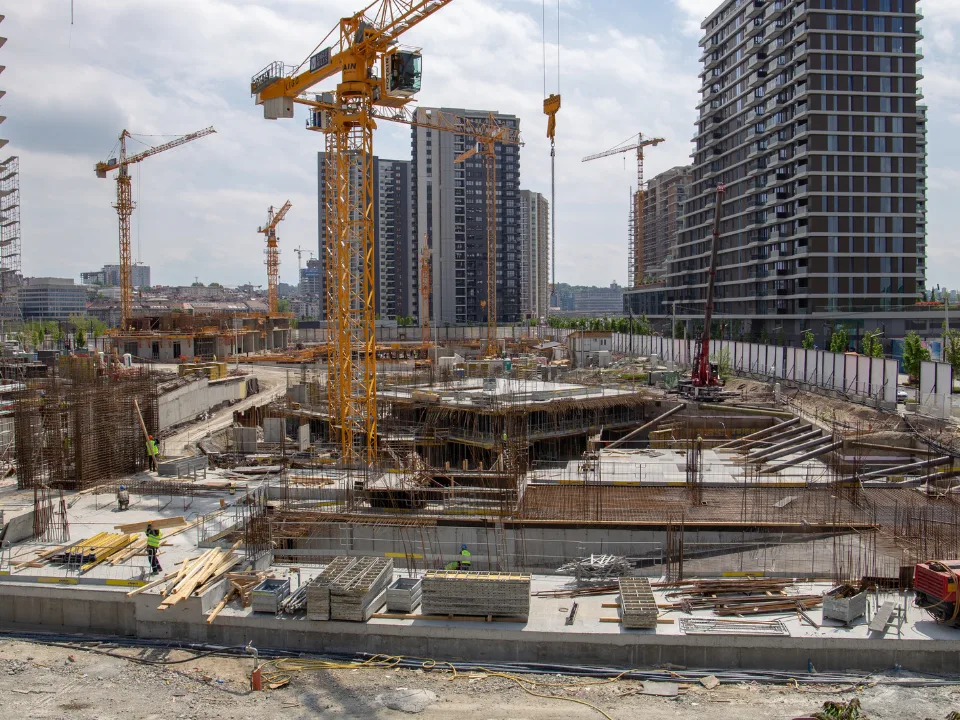
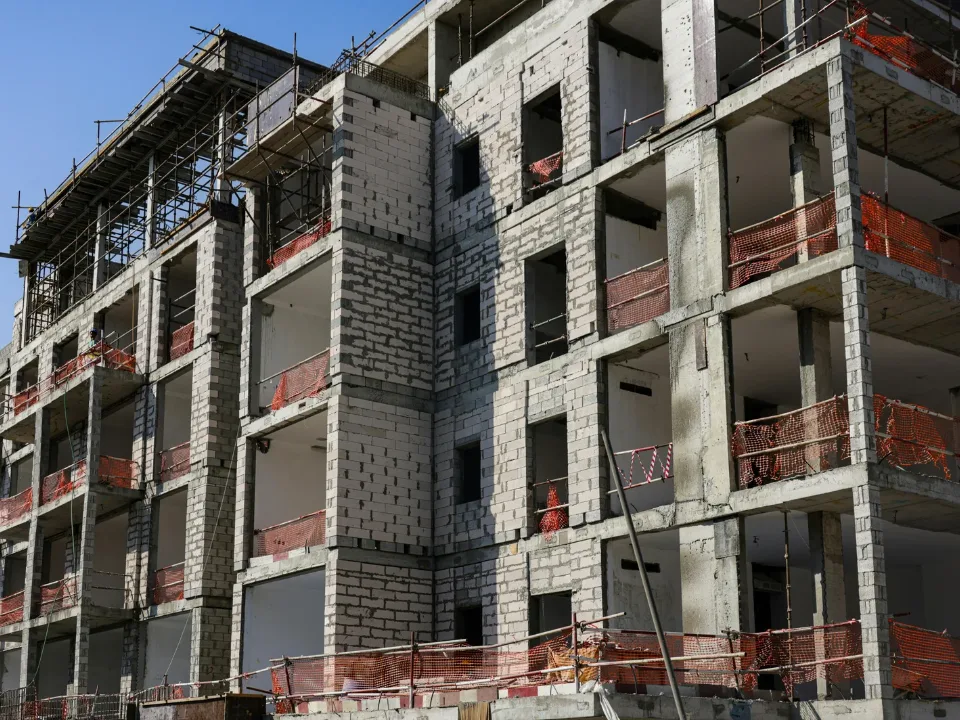
- Construction remains historically low, with inventory growing just 0.4% year over year and fewer than 16,000 units under development.
- The widening supply-demand gap is encouraging developers to consider secondary markets where projects may be more financially viable.
Senior housing fundamentals continued to strengthen in the second quarter as demand outpaced new development across the US, per GlobeSt.
According to the National Investment Center for Seniors Housing & Care (NIC), occupancy reached 89.9%, up from 89.5% in Q1 2026 and marking the sector’s 20th consecutive quarter of improvement. Fifteen of the 31 primary markets tracked by NIC MAP have now surpassed the 90% occupancy threshold, reflecting a market with little excess capacity and limited new inventory.
Get Smarter about what matters in CRE
Stay ahead of trends in commercial real estate with CRE Daily – the free newsletter delivering everything you need to start your day in just 5-minutes
Limited Construction Tightens The Market
Demand has continued to rise, but development has not kept pace. NIC reported that senior housing inventory expanded only 0.4% year over year during the second quarter. Fewer than 16,000 units remain under construction nationwide, well below historical norms. Meanwhile, occupied units increased by nearly 3,700 during the quarter, bringing the total to roughly 639,650. Lisa McCracken, NIC’s head of research and analytics, said the combination of strong occupancy and limited construction leaves older adults with fewer housing options and is pushing operators to invest more heavily in services within existing communities.
The Details
Occupancy gains were widespread across the country’s largest senior housing markets. Boston led all primary markets at 93.3%, followed by San Francisco at 92.7% and Baltimore at 91.8%, according to NIC. At the other end of the spectrum, Miami posted the lowest occupancy at 86.2%, followed by Atlanta at 86.5% and San Antonio at 87%. Even those lower-ranked markets recorded quarterly improvements. Active adult rental communities also continued to outperform, reaching 92.6% occupancy during Q2. Nearly 1,000 units entered that segment during the first half of 2026, increasing tracked inventory to almost 130,000 units.
Secondary Markets Gain Attention
The persistent imbalance between demand and supply is beginning to influence development strategy. According to NIC MAP CEO Arick Morton, developers may increasingly target secondary and tertiary markets instead of large gateway cities. Rising construction costs continue to challenge new projects in major metros, making smaller markets more attractive from both a cost and demand perspective. If those economics hold, future senior housing investment could become more geographically diverse rather than concentrated in traditional high-cost urban markets.
Why It Matters
Senior housing remains one of commercial real estate’s strongest-performing property sectors. Occupancy is approaching the 90% level nationally despite modest inventory growth, a combination that generally supports rent growth, operating performance, and investor interest. According to NIC, the sector has now posted occupancy gains for 20 consecutive quarters, underscoring the durability of demand driven by an aging US population. For owners, the lack of competing supply provides favorable operating conditions. For prospective residents, however, it means fewer available units and potentially longer waitlists in many markets.
What’s Next
NIC expects overall senior housing occupancy to exceed 90% before the end of 2026, with additional primary markets likely to reach that milestone. Whether development accelerates will depend largely on construction costs, financing conditions, and project feasibility. Until meaningful new supply enters the pipeline, operators are expected to focus on improving amenities, wellness programs, and resident services to accommodate growing demand within existing communities. For investors, the sector’s supply constraints remain one of its strongest competitive advantages heading into 2027.